Blog

  • Dos and Don’ts at FIFA World Cup 2026 Stadiums: The Complete Fan Survival Guide

    Dos and Don’ts at FIFA World Cup 2026 Stadiums: The Complete Fan Survival Guide

    In 2026, the world will witness the largest FIFA World Cup in history. Hosted across the United States, Canada, and Mexico, the tournament will feature 48 teams, 104 matches, and millions of travelling fans from every corner of the globe. Whether you’re attending or following from home, this FIFA World Cup 2026 Fan Survival Guide will help you make the most of the experience.

    For many supporters, travelling from India, Europe, South America, or within North America, to watch the World Cup is a once-in-a-lifetime experience. Navigating unfamiliar cities, stadium regulations, transportation systems, ticketing requirements, and local customs can quickly become overwhelming.

    This FIFA World Cup 2026 Fan Survival Guide from dos and don’ts will help you prepare for the tournament with confidence and avoid common match-day mistakes.

    FIFA World Cup 2026 Tournament Facts

    • Host Nations: United States, Canada, Mexico
    • Participating Teams: 48
    • Total Matches: 104
    • Host Cities: 16
    • Tournament Duration: June–July 2026
    • Expected Visitors: Millions of international travellers

    Furthermore, the expanded format means more matches, more destinations, and more opportunities for fans to experience football like never before.

    Why Planning Ahead Matters

    While securing match tickets is a priority for many first-time World Cup visitors, they often overlook practical aspects such as:

    • Stadium entry rules
    • Transportation logistics
    • Local laws
    • Accommodation availability
    • Ticket scams
    • Weather conditions
    • Safety considerations

    A little preparation can save hours of frustration and potentially thousands of dollars.

    FIFA World Cup 2026 Stadium Rules Every Fan Should Know

    Security measures at FIFA tournaments are among the most comprehensive in international sport. Therefore, fans should expect security screening.

    Following stadium regulations will help ensure smooth entry.

    FIFA World Cup 2026 Stadium Dos and Don'ts infographic with match-day rules for fans

    The purpose of this FIFA World Cup 2026 Fan Survival Guide is simple: help fans enjoy a safe, smooth, and memorable World Cup experience from arrival to final whistle.

    FIFA 2026 Bag Policy

    Additionally, bag inspections are conducted at most venues.

    Allowed Bags

    • Clear plastic bag (12″ x 6″ x 12″)
    • Small clutch (4.5″ x 6.5″)
    • Essential medical bags subject to inspection

    Prohibited Bags

    • Backpacks
    • Camera bags
    • Large purses
    • Opaque totes
    • Coolers
    • Duffel bags

    FIFA World Cup 2026 Prohibited Items Checklist

    FIFA World Cup 2026 stadium prohibited items checklist including restricted bags, fireworks, alcohol and drones

    FIFA World Cup 2026 Ticket Scams to Avoid

    Major sporting events attract scammers. Scammers have reportedly registered thousands of FIFA-themed domains to trick fans. Therefore, fans should purchase tickets only from official sources.

    Common Ticket Scams

    Fake Websites

    Websites designed to mimic official ticket sellers. Scammers have reportedly registered thousands of FIFA-themed domains to trick fans.

    Social Media Sellers

    Individuals claiming to have spare tickets.

    Counterfeit Digital Tickets

    Screenshots sold multiple times to different buyers.

    How to Stay Safe

    • Purchase through official FIFA channels
    • Verify website URLs carefully
    • Use secure payment methods
    • Avoid deals that seem too good to be true
    • Never share sensitive personal information

    Remember: if a ticket price appears unrealistically low, it probably is a FAKE resale.

    FIFA 2026 Transportation and Travel Tips

    Many fans focus on purchasing tickets. However, transportation planning is equally important.

    Many venues are preparing enhanced transit systems specifically for World Cup crowds. Traffic congestion around World Cup venues can be significant. Use:

    Public Transport

    Often the quickest and most affordable option.

    Stadium Shuttle Services

    Many host cities offer dedicated match-day transport.

    Rideshare Services

    Though it is useful but expect surge pricing and heavy traffic.

    Walking

    In many host cities, walking from nearby transit stations can save considerable time.

    Transportation Mistakes to Avoid

    • Driving without pre-booked parking
    • Leaving transportation planning until match day
    • Assuming rideshare pickup will be immediate after matches

    How Early Should You Arrive?

    Many experienced World Cup fans recommend arriving at least 2 to 3 hours before kick-off, because match-day crowds can be enormous.

    Arrival timelines typically include:

    • Security screening
    • Ticket verification
    • Merchandise shopping
    • Food and beverage queues
    • Finding your seat

    For high-profile matches, arriving even earlier may be beneficial.

    Weather Considerations

    Host cities will experience different weather conditions.

    You may encounter:

    • Hot summer temperatures
    • Humidity
    • Rain
    • Strong sunlight

    Therefore, pack accordingly.

    • Sunscreen
    • Refillable water bottle (where permitted)
    • Light clothing
    • Comfortable walking shoes
    • Portable charger
    • Weather-appropriate outerwear

    Local Customs and Cultural Etiquette

    The 2026 World Cup spans across three distinct host countries, each with its own customs and traditions. Respecting the same will double your enjoyable experiences. Remember the basics:

    United States

    • Tipping is customary
    • Respect personal space
    • Follow venue instructions carefully

    Canada

    • Politeness is highly valued
    • Queue etiquette is important
    • Respect public spaces

    Mexico

    • Learning basic Spanish phrases is appreciated
    • Greetings are important
    • Respect local traditions and customs

    Small cultural gestures often create positive experiences and memorable interactions. For detailed information explore the destination on https://www.dos-and-donts.com/

    Making the Most of the Experience

    The World Cup experience extends far beyond the stadium. While you are there do not miss touring the rich culture and heritage of the host country

    Consider exploring:

    • Fan festivals
    • Cultural attractions
    • Local food scenes
    • Historical landmarks
    • City tours
    • Community events

    Many fans later remember these experiences just as fondly as the matches themselves. Search your destination on Dos and Don’ts before you go.

    Staying Safe During the Tournament

    World Cup host cities are generally well prepared, but basic travel precautions remain important.

    Safety Tips

    • Keep valuables secure
    • Stay aware of your surroundings
    • Avoid displaying large amounts of cash
    • Use official transportation options
    • Share itineraries with family members
    • Save emergency contacts on your phone

    FIFA World Cup 2026 Official Websites

    For the latest tournament updates, match schedules, host cities, and team information, visit:

    This is the primary source for official tournament information, including fixtures, participating teams, host cities, and competition updates.

    Official FIFA Tickets Portal

    Fans should purchase tickets only through FIFA’s official ticketing platform:

    The portal provides ticket sales, hospitality packages, and the official resale marketplace. Buying through authorized channels significantly reduces the risk of ticket fraud.

    Host Cities & Match Location

    To explore the 16 host cities, venues, and tournament schedule:

    The guide includes information about all host cities across the United States, Canada, and Mexico, helping fans plan transportation, accommodation, and sightseeing opportunities.

    CONCLUSION

    We hope this FIFA World Cup 2026 Fan Survival Guide helps you navigate stadium rules, transportation, ticketing, and travel planning with confidence as you prepare for football’s biggest celebration.

    Plan ahead, stay informed, respect local cultures, and embrace the incredible atmosphere that only a FIFA World Cup can provide.

    Football may bring us together, but the memories created along the way are what truly last a lifetime.

    How Does Dos and Don’ts Help You Navigate FIFA World Cup 2026 Stadium Rules?

    The FIFA World Cup 2026 promises unforgettable moments, packed stadiums, and passionate fans from around the world. While excitement is guaranteed, understanding stadium regulations, entry requirements, and match-day procedures is essential for a smooth experience.

    Unlike reviews and opinions, Dos and Don’ts provides objective, factual guidance to help fans prepare for every stage of their World Cup journey.

    Verified Stadium Information

    Access up-to-date information on stadium entry rules, bag policies, prohibited items, transportation options, and fan safety guidelines across all FIFA World Cup 2026 host venues.

    Avoid Costly Mistakes

    Prevent delays, denied entry, or unnecessary stress by understanding arrival recommendations, security screening procedures, digital ticket requirements, and re-entry policies before match day.

    Stay Alert to Ticket Scams

    Learn how to identify common ticket fraud schemes, recognize authorized sales channels, and protect yourself from counterfeit tickets and unauthorized sellers.

    Simplified Match-Day Planning

    Get structured, easy-to-follow information on transportation, stadium access, local customs, nearby attractions, and fan essentials—perfect for quick reference while travelling.

    Travel with Confidence

    Whether you’re attending your first World Cup match or following your team across multiple host cities, preparation makes all the difference. Knowing what to bring, what to avoid, and what to expect helps you focus on enjoying the game.

    The FIFA World Cup is a once-in-a-lifetime experience for many fans. Dos and Don’ts helps you arrive informed, prepared, and ready to make the most of football’s biggest celebration.

    Explore Dos and Don’ts at FIFA World Cup 2026 Stadiums and experience the tournament with confidence.

    FAQs

    1: What items are prohibited inside FIFA World Cup 2026 stadiums?

    Fans are generally prohibited from bringing weapons, fireworks, smoke bombs, alcohol, glass containers, drones, laser pointers, professional camera equipment, large banners, and oversized bags into FIFA World Cup 2026 stadiums. Stadium-specific restrictions may vary, so always check official guidelines before attending a match.

    2: What type of bags are allowed at FIFA World Cup 2026 stadiums?

    Most FIFA World Cup 2026 venues are expected to follow strict bag policies. Small clear bags, approved transparent bags, and essential medical bags are typically permitted after inspection. Backpacks, large purses, duffel bags, and non-transparent bags may be restricted.

    3: How early should I arrive for a FIFA World Cup 2026 match?

    It is recommended to arrive at least 2–3 hours before kick-off. This allows sufficient time for security screening, ticket verification, stadium entry, merchandise shopping, and finding your seat before the match begins.

    4: How can I avoid FIFA World Cup 2026 ticket scams?

    Purchase tickets only through official FIFA ticketing channels and authorized resale platforms. Avoid buying tickets from social media sellers, unofficial websites, WhatsApp groups, or individuals offering heavily discounted tickets, as these are common sources of fraud.

    5: Can I leave a FIFA World Cup stadium and re-enter later?

    In most cases, re-entry is not permitted once you leave the stadium. Fans should plan accordingly and ensure they have everything they need before entering the venue.

    6: What is the best way to travel to FIFA World Cup 2026 stadiums?

    Public transportation, official shuttle services, and designated rideshare zones are usually the most convenient options. Due to heavy match-day traffic and limited parking, driving directly to the stadium is often not recommended unless parking has been reserved in advance.

    7: What should I bring to a FIFA World Cup 2026 match?

    Fans should bring their digital match ticket, a valid photo ID, an approved bag (if required), a fully charged mobile phone, weather-appropriate clothing, and any essential personal items permitted under stadium regulations. Always review venue-specific guidelines before match day.
    Leave a Reply

    Your email address will not be published. Required fields are marked *

  • Travel Insurance Guide for India: What You Need to Know

    Travel Insurance Guide for India: What You Need to Know

    Traveling to India is an unforgettable experience. From the iconic Taj Mahal and the palaces of Rajasthan to the beaches of Goa and the backwaters of Kerala, the country offers something for every traveler.

    While most trips go as planned, unexpected events such as medical emergencies, flight cancellations, lost baggage, or passport issues can quickly disrupt your journey and lead to significant expenses. That’s where travel insurance becomes an essential part of travel planning.

    In this guide, we’ll explain why travel insurance guide for India is important and the risks travelers should be aware of, what a typical policy covers, and how to choose the right coverage for a safe and worry-free trip.

    Why Do You Need Travel Insurance for India?

    Travel insurance is becoming an essential part of trip planning. According to the Allianz Partners Travel Index 2025, 85% of Indians planning international travel are likely to purchase travel insurance, reflecting growing concerns about medical emergencies, trip disruptions, and financial protection.

    This trend is reinforced by an ICICI Lombard study, which found that 92% of Indian travelers intend to buy travel insurance for future international trips, while 73% recognize its importance in protecting their travel experience.

    Travel insurance proves its value when things go wrong. An AXA Assistance survey revealed that nearly 70% of travelers experienced disruptions such as flight delays, cancellations, or lost baggage. Among those with travel insurance, 92% found the coverage beneficial in recovering costs and managing unexpected situations.

    Whether you’re visiting India for leisure, business, or education, travel insurance can provide valuable financial protection and peace of mind when the unexpected happens.

    Health and Safety Risks Travelers Should Be Aware of

    India offers incredible travel experiences, but visitors should be prepared for certain health and safety risks that can ruin their trip. Understanding these risks is an important part of travel insurance guide for India

    Health Concerns

    Infectious Diseases:

    Air Quality Issues:

    Some major cities experience periods of high air pollution, which may affect travelers with asthma or respiratory conditions.

    Safety Concerns

    Transportation Risks:

    Busy roads, heavy traffic, and unfamiliar driving conditions can increase the risk of accidents, particularly in large cities.

    Theft and Loss of Belongings:

    Pickpocketing, bag theft, and lost travel documents can occur in crowded tourist areas, airports, and public transportation hubs.

    Weather Disruptions:

    India experiences diverse weather patterns, including: Monsoons, floods, cyclones, and extreme heat can occasionally lead to flight delays, cancelled plans, and transportation disruptions.

    While most trips to India are safe and enjoyable, unexpected events can happen. Travel insurance helps protect travelers from the financial impact of medical emergencies, trip interruptions, lost baggage, and other unexpected situations.

    How Travel Insurance Protects You from Unexpected Expenses

    Travel insurance provides a safety net by helping cover many of these unexpected expenses.

    Trip Cancellations and Interruptions

    Illness, family emergencies, severe weather, or travel problems can force travelers to cancel or cut short their trips. Travel insurance can repay eligible non-refundable expenses, such as flight tickets, hotel bookings, and pre-paid tours, helping reduce financial losses.

    Medical Expenses and Emergency Care

    Healthcare costs can quickly add up if you require medical treatment while traveling. Most travel insurance policies cover emergency medical expenses, hospitalization, ambulance services, and, in some cases, medical evacuation. This ensures travelers can access necessary care without worrying about substantial out-of-pocket costs.

    Lost, Stolen, or Delayed Belongings

    Lost baggage, stolen valuables, or delayed luggage can disrupt any trip. Travel insurance may provide compensation for lost or damaged belongings and repay essential purchases made while waiting for delayed baggage, allowing travelers to continue their journey with minimal disruption.

    Travel insurance offers both financial protection and peace of mind, allowing travelers to focus on enjoying their trip rather than worrying about unexpected setbacks.

    Types of Travel Insurance Coverage Available

    Travel insurance policies are available in different forms to suit various travel needs. Choosing the right policy is one of the most important recommendations in this travel insurance guide for India.

    Single-Trip Travel Insurance

    A single-trip policy provides coverage for one specific journey, from departure until return. It is ideal for travelers taking a one-time vacation, business trip, or family visit to India.

    These plans typically cover medical emergencies, trip cancellations, baggage loss, and travel delays during the insured trip.

    Multi-Trip Travel Insurance

    Frequent travelers may benefit from a multi-trip or annual travel insurance plan. Instead of purchasing a new policy for every journey, travelers receive coverage for multiple trips within a specified period, usually one year.

    This option is often more convenient and cost-effective for business travelers and individuals who travel regularly.

    Comprehensive Travel Insurance

    Such Insurance plans offer the broadest level of protection and are generally recommended for international travelers visiting India. In addition to medical coverage, these policies often include trip cancellations, emergency evacuation, baggage protection, passport loss assistance, personal liability coverage, and travel delays.

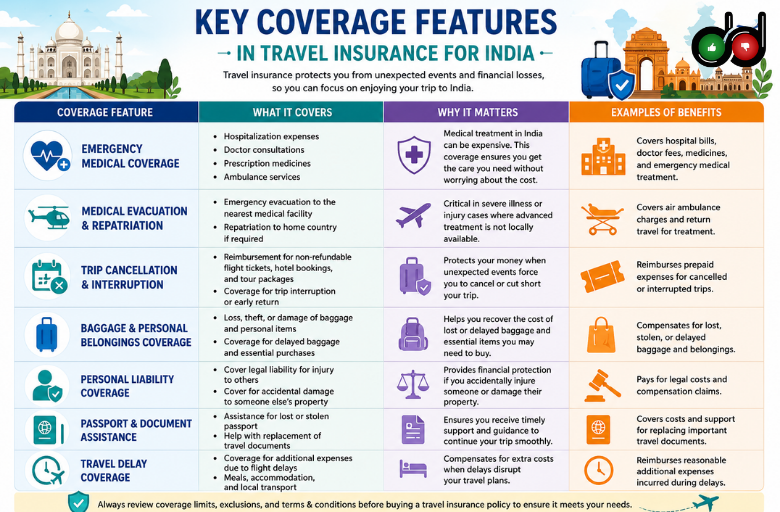
    Key Coverage Features to Look For

    Not all travel insurance policies provide the same level of protection. Before purchasing a plan, travelers should carefully review the coverage details and policy limits.

    How to Choose the Right Travel Insurance Plan

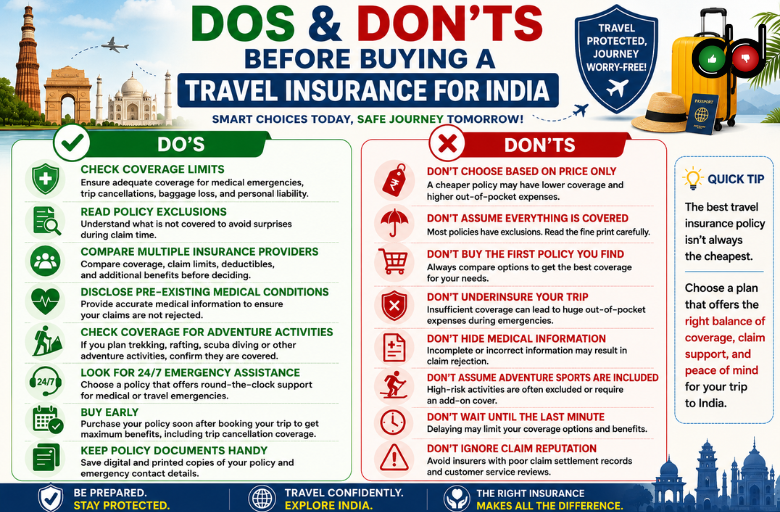
    Not all travel insurance policies offer the same level of protection. A policy that looks affordable today could leave you with unexpected expenses tomorrow if you overlook key coverage details. Before purchasing travel insurance for India, review these essential dos and don’ts to help you compare policies, avoid common pitfalls, and choose coverage that best suits your travel needs.

    Dos and don'ts of buying travel insurance for India infographic featuring coverage limits, policy exclusions, medical disclosures, emergency assistance, and common mistakes to avoid.

    Is Travel Insurance Mandatory for India?

    For most visitors, travel insurance is not currently mandatory for entry into India.

    However, many travel experts strongly recommend purchasing coverage because healthcare costs, travel disruptions, and emergencies can occur unexpectedly.

    Additionally, some countries require travel insurance for visa approval, particularly Schengen destinations in Europe. Travelers planning multi-country itineraries should verify insurance requirements before departure.

    How Do Dos and Don’ts Help You Navigate Travel Insurance for India?

    Travel insurance policies can be confusing, with varying coverage limits, exclusions, and claim requirements. While insurance providers explain what their policies offer, Dos and Don’ts helps you understand what really matters when choosing coverage for your trip to India.

    This platform simplifies travel insurance by providing practical guidance, clear explanations, and real-world travel insights to help you make informed decisions.

    Clear Coverage Insights: Understand what travel insurance typically covers, including medical emergencies, trip cancellations, baggage loss, and travel delays.

    Avoid Costly Mistakes: Learn about common travel insurance pitfalls, policy exclusions, and coverage gaps before purchasing a plan.

    Easy-to-Follow Guidance: Access straightforward information on choosing the right travel insurance policy based on your travel needs and budget.

    Travel Preparedness: Discover important dos and don’ts that help you stay protected and avoid unexpected expenses during your trip.

    The right travel insurance can provide peace of mind, but choosing the right policy starts with understanding your options.

    Explore Dos and Don’ts to simplify travel insurance for India and travel with greater confidence.

    Conclusion

    India offers incredible travel experiences, but even the most carefully planned trip can encounter unexpected challenges.

    Travel insurance is not just an additional expense—it is a practical investment in your safety, finances, and peace of mind. Whether it’s a medical emergency, cancelled flight, delayed baggage, or lost passport, the right policy can help you navigate disruptions without significant financial stress.

    By following this travel insurance guide for India, travelers can choose suitable coverage and enjoy greater peace of mind throughout their journey.

    Frequently Asked Questions (FAQs)

    1. Is travel insurance mandatory for visiting India?

    No, travel insurance is not currently mandatory for most travelers visiting India. However, it is highly recommended as it can help cover unexpected expenses such as medical emergencies, trip cancellations, lost baggage, and travel delays.

    2. What does travel insurance for India typically cover?

    Most travel insurance policies cover emergency medical expenses, hospitalization, trip cancellations, trip interruptions, lost or delayed baggage, passport loss assistance, and personal liability. Coverage may vary depending on the insurer and policy selected.

    3. How much travel insurance coverage do I need for India?

    The amount of coverage you need depends on factors such as trip duration, planned activities, and personal health conditions. In general, travelers should choose a policy with sufficient medical coverage, trip protection, and baggage benefits to avoid significant out-of-pocket expenses.

    4. Does travel insurance cover pre-existing medical conditions?

    Some travel insurance providers offer coverage for pre-existing medical conditions, while others may exclude them or require additional coverage. Always review the policy terms carefully and disclose any medical conditions when purchasing insurance.

    5. Can I buy travel insurance after booking my trip?

    Yes. In fact, it is often recommended to purchase travel insurance soon after booking your trip. Buying early may provide access to additional benefits, such as trip cancellation coverage before your departure date.

    6. Is travel insurance worth it for a trip to India?

    For many travelers, yes. While no one expects travel problems, medical emergencies, flight disruptions, lost belongings, or unexpected cancellations can happen. Travel insurance provides financial protection and peace of mind, allowing you to focus on enjoying your trip rather than worrying about unforeseen expenses.

    Leave a Reply

    Your email address will not be published. Required fields are marked *

  • 15 Common Mistakes to Avoid Before an International Trip(2026 Guide)

    15 Common Mistakes to Avoid Before an International Trip(2026 Guide)

    Planning an international trip feels exciting—but it’s also where most mistakes begin. Not because people are careless, but because they miss small rules that aren’t obvious: missed documents, last-minute packing,  can create unnecessary stress even before your journey begins. Some mistakes cost money. Others cost time. And a few can even stop your trip before it starts. To help you prepare, here are 15 Common Mistakes to Avoid Before an International Trip (2026 Guide).

    This guide walks you through 15 common mistakes travelers make before flying abroad, in a clear Dos & Don’ts style, so you know exactly what to do—and what to avoid—before stepping out of your home. 

    Understanding the most common mistakes to avoid before international travel can help make your trip smoother and stress-free. So,  Before you pack your bags, check the rules that actually matter.

    Why Dos & Don’ts Matter Before Travel

    Many travelers focus on destinations, bookings, and itineraries, but overlook the basics that actually determine how smooth their journey will be. Most travel blogs show destinations. Very few tell you what NOT to do before you leave. Understanding travel dos and don’ts helps you avoid confusion at airports, prevents delays, and saves money and reduces your travel stress.

    Think of this as your pre-travel checklist for peace of mind.

    Explore country-specific rules on Dos & Don’ts

    Common Mistakes to Avoid Before International Travel

    Before we get into the 15 common mistakes to avoid before an international trip, it helps to understand where most of these problems usually happen. From missing documents and payment issues to packing mistakes and poor planning, small oversights can quickly turn into unnecessary travel stress.

    To make things easier, we’ve broken these common travel mistakes into five simple categories — Documentation, Financial, Packing & Tech, Health & Safety, and Travel Planning. This not only makes the information easier to follow, but also helps you prepare step by step without missing important details before your journey.

    Documentation  Mistakes:

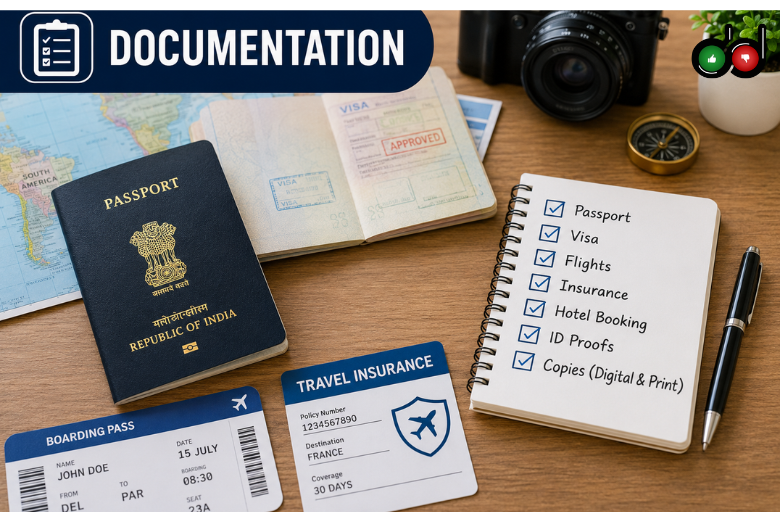
    Travelers should always verify passport, visa, insurance requirements through trusted sources like the IATA Travel Centre before flying abroad.

    Passport and visa issues are among the most common international travel mistakes.

    Travel documents and passport checklist for international trip preparation.
    Keep your travel documents organized before flying abroad.

    1. Traveling with an Almost Expired Passport  – 

    One of the most common—and costly—mistakes is assuming a passport is valid as long as it hasn’t expired. Many countries require your passport to be valid for at least six months beyond your travel date. If it isn’t, you may be denied boarding or entry. 

    2. Not Verifying Visa Requirements

    Visa rules are not universal and can change frequently. Relying on outdated information or assumptions can lead to denied boarding or entry.

    Always check official embassy or airline sources for latest updates on Visa rules before finalizing your plans.

    Visa-on-arrival and E-Visa  rules change frequently. 

    3. Not Keeping Backup Copies of Travel Documents

    Losing important documents like your passport or visa can be stressful, especially in a foreign country.

    Having both digital and printed copies of passport, visa, tickets and insurance can make replacement or verification much easier. 

    • Don’t: Carry only originals.
    • Do: Keep digital and printed copies of passport, visa, tickets, insurance

    Helps in case of loss or theft.

    Financial Mistakes

    ravel budget setup with cash, cards, calculator, and mobile banking app.
    Plan your travel finances before your international trip.

    4. Forgetting to Inform Your Bank 

    Banks often block transactions from unfamiliar locations as a safety measure.

    Without prior notice to your bank, your card may stop working abroad  leading to blocked transactions. This can leave you stranded without access to funds at a critical moment.

    Ensure you inform your bank or change the settings in your bank app a day before your travel to avoid card blocks.

    • Don’t: Use your card abroad without notifying your bank.
    • Do: Inform your bank to avoid card blocks. 

    Fraud detection systems may freeze your card.

    5. Depending Only on Cash

    Relying only on cash can be inconvenient and risky. Many countries widely accept cards, prefer digital payments and carrying large amounts of cash increases the risk of loss.

    • Don’t: Depend only on cash.
    • Do: Carry a mix of cash + international debit/credit cards. 

    Digital payments are widely accepted globally.

    Health & Safety Mistakes

    Before international travel, review vaccination and destination health updates on CDC Travelers’ Health.

    Travel health and safety essentials including first aid kit, medicines, and vaccination documents.
    Prepare your health and safety essentials before traveling abroad.

    6. Skipping Travel Insurance

    Many travelers skip insurance to save money, but medical emergencies, trip cancellations, or lost baggage can be extremely expensive abroad.

    Travel insurance acts as a safety net in unpredictable situations. 

    As medical emergencies abroad can be expensive,  travel insurance provides coverage for health issues, delays, and lost baggage. 

    • Don’t: Think “nothing will happen.”
    • Do: Get travel insurance covering health, baggage, and delays. 

    One emergency abroad can be expensive 

    7. Ignoring Vaccination Requirements(if any) 

    Ignoring vaccination rules is one of the most overlooked international travel planning mistakes.

    Some countries require proof of specific vaccinations or health documentation before entry.

    Failing to check these requirements in advance can lead to delays, denied entry, or complications during immigration procedures.

    • Don’t: Ignore the health rules of your destination.
    • Do: Check if vaccinations are required.

    Some countries require proof of vaccines.

    Packing & Tech Mistakes

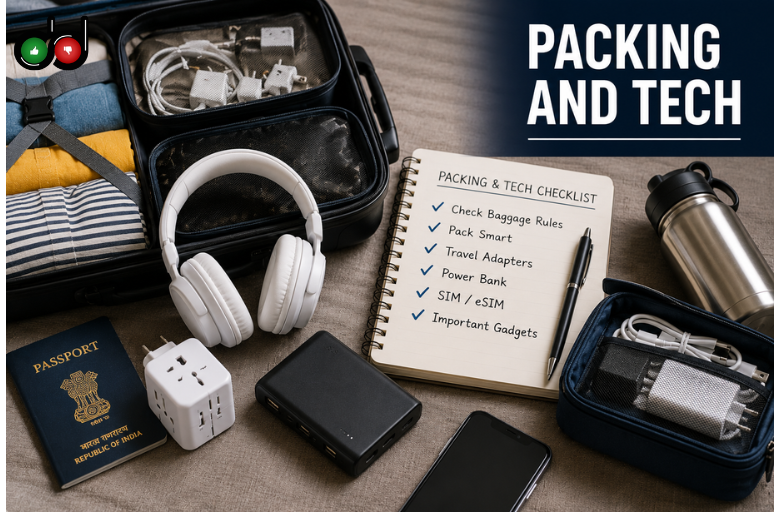
    Overpacking is another common travel mistake before flying abroad.

    Packing and tech essentials for international travel including gadgets, luggage, and travel accessories.
    Pack smart with the right travel essentials and tech accessories.

    8. Packing Without Checking Rules

    Packing without understanding airline and airport rules can lead to confiscated items or delays at security checks. Items like liquids, batteries, and sharp objects are often regulated and must be packed correctly. 

    Airlines and airports have strict rules on what you can carry. Packing restricted items can lead to confiscation or delays during security checks. 

    • Don’t: Pack restricted items
    • Do: Follow airline baggage guidelines

    Avoid airport confiscation

    9. Forgetting Travel Adapters 

    Different countries use different plug types. Without an adapter, charging your devices becomes difficult. Plug types differ across countries. 

    • Don’t: Assume your charger will work
    • Do: Carry a universal travel adapter 

    Plug types vary by country.

    10. Ignoring International Roaming or SIM Options 

    Landing in a new country without internet access can make even simple tasks like finding your hotel or booking a taxi difficult. Planning for a local SIM card, eSIM, or international roaming ensures you stay connected from the moment you arrive.

    Arriving without internet access can make navigation and communication difficult.

    • Don’t: Land without internet access
    • Do: Arrange SIM, eSIM, or roaming

    Helps with maps, bookings, emergencies

    Travel Planning Mistakes

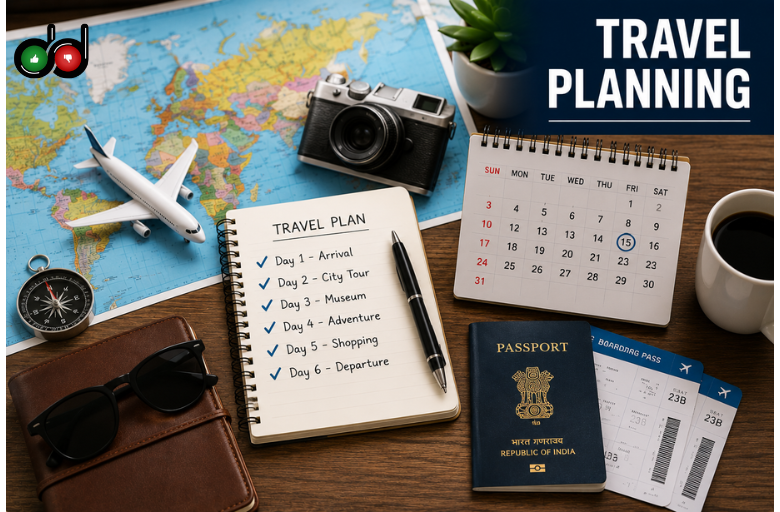
    Travel planning essentials with itinerary, map, passport, and travel checklist for international trip preparation.
    Good travel planning helps avoid unnecessary stress during international trips.

    11. Arriving Late at the Airport

    International travel involves multiple steps, including check-in, baggage drop, security screening, and immigration. International flights require more time for check-in, security, and immigration.

    Arriving late increases the risk of missing your flight, even if you have completed online check-in. 

    • Don’t: Reach last minute.
    • Do: Arrive 3–4 hours early for international flights.

    Security checks and immigration take time.

    12. Ignoring Accommodation Details

    Booking accommodation without checking key details such as location, check-in time, cancellation policies and reviews can lead to inconvenience upon arrival, especially after a long journey. 

    Ignoring these details can lead to inconvenience after arrival. 

    • Don’t: Book without reading policies.
    • Do: Check check-in time, location,  cancellation rules, and reviews

    Avoid last-minute surprises.

    13. Not Planning Airport Transfers

    Arriving in a new country without a transport plan can be overwhelming, particularly if you land late at night or in an unfamiliar city.

    Pre-booking a transfer or understanding local transport options saves time and stress. 

    • Don’t: Land without a transport plan.
    • Do: Pre-book taxis or check public transport.

    Especially important for late-night arrivals

    14. Not Researching Local Laws & Culture

    Every country has its own rules, customs, and expectations. Something considered normal in one place may be inappropriate or even illegal in another.

    Basic awareness helps avoid uncomfortable or serious situations. Not knowing them can lead to confusion or even penalties. 

    • Don’t: Assume rules are the same everywhere.
    • Do: Learn basic local laws and etiquette.

    Small mistakes can lead to fines or trouble and awkward situations

    15. Not Tracking Flight & Check-in Rules

    Many airlines have strict check-in timelines. Missing the online check-in window or failing to review airline updates can result in additional charges or even denied boarding. 

    Some airlines have strict check-in deadlines. 

    • Don’t: Assume everything is automatic.
    • Do: Check airline emails and complete online check-in.

    Saves time and avoids last-minute issues

    Smart Traveler tip to avoid mistakes before an international trip

    Use the destination search tool on Dos and Don’ts to explore travel rules and local guidelines.

    With Dos & Don’ts, you can check everything in one place—before you travel.

    ✔ Country rules
    ✔ Airport do’s & don’ts
    ✔ Cultural guidelines

    Start exploring travel rules and destination-specific guidance before you fly.

    Explore how Dos and Don’ts simplifies international travel preparation and helps understand the 15 most common travel mistakes to avoid before a travel

    Most international travel problems don’t happen because people are careless. They happen because travelers don’t know the rules, miss important details, or find conflicting information too late. Dos and Don’ts simplifies this by providing clear, objective, and verified travel guidelines that help tourists avoid common pre-travel mistakes before they become stressful situations.

    Verified Travel Rules: Access accurate, updated information on passport validity requirements, visa rules, baggage restrictions, airport security guidelines, and international travel documentation without relying on scattered or outdated sources.

    Structured Information: Get clean, easy-to-understand travel guidance designed for quick decisions before and during your trip.

    Universal Coverage Through Blogs: While city and country-specific dos and don’ts can be explored through search, the latest travel updates, airport rules, packing guidelines, visa changes, travel mistakes to avoid, and real-time travel advice are simplified through regularly updated blogs designed for practical travel planning.

    Time Savings: Know what to expect before you travel instead of scrambling for answers at the airport or after landing.

    Stress-Free Travel Planning: Avoid confusion, unexpected delays, denied boarding, unnecessary expenses, and last-minute panic with simplified travel rules in one place.

    Conclusion:

    By avoiding these mistakes before international travel, you can prepare better and travel confidently.

    Travel doesn’t go wrong because of big problems—it goes wrong because of small, avoidable mistakes. A missed document, a forgotten adapter, or a late arrival can quickly turn excitement into frustration.

    Think of preparation as your first destination—get it right, and everything else becomes easier. 

    FAQs

    1. What is the most common mistake people make before an international trip?

    One of the biggest mistakes is not checking passport validity and visa requirements in advance. Many countries require at least six months of passport validity from the date of travel.

    2. How early should I reach the airport for an international flight?

    It is recommended to arrive at least 3–4 hours before departure to complete check-in, baggage drop, security checks, and immigration procedures comfortably.

    3. Is travel insurance necessary for international travel?

    Yes, travel insurance is highly recommended. It helps cover unexpected medical expenses, flight cancellations, baggage loss, and other travel emergencies.

    4. Should I carry cash or use international cards while traveling abroad?

    A combination of both works best. Carry some local currency for small expenses while using international debit or credit cards for convenience and safety.

    5. What important documents should I keep copies of while traveling?

    You should keep digital and printed copies of your passport, visa, flight tickets, hotel bookings, and travel insurance documents.

    6. Why is it important to check local laws and customs before traveling?

    Every country has different rules, cultural expectations, and restrictions. Understanding them beforehand helps you avoid misunderstandings, fines, or unnecessary trouble during your trip.

    Key Takeaways

    • Planning an international trip involves avoiding common mistakes, such as checking passport validity and visa requirements.
    • 15 Common Mistakes to Avoid Before an International Trip (2026 Guide) categorizes errors into Documentation, Financial, Packing & Tech, Health & Safety, and Travel Planning.
    • Forgetting to inform your bank about travel plans can lead to card issues abroad, so always notify them in advance.
    • Ensuring you have travel insurance and understanding local laws can prevent major problems during your trip.
    • Use Dos and Don’ts to explore travel rules and make informed decisions before you travel.
    Home

  • Drone rules for tourists 2026- Laws you must know before flying

    Drone rules for tourists 2026- Laws you must know before flying

    Drones have completely changed the way we capture travel memories. From stunning beach sunsets to cinematic mountain shots, we now document experiences like never before. But what many of us overlook is, the LAWS of flying a drone in a foreign or home country as tourists. Drone rules for tourists are now laid extensively and clearly for every destination you travel.

    Each destination has its own set of photography rules and drone laws. Ignoring them can lead to fines, confiscation of the device, or even legal trouble ruining your dream trip.

    We at Dos and Don’ts have made it easier for you through this blog. If you’re planning to carry your drone on your next trip, here’s everything you should know about drone rules as tourists—explained in a simple and practical way. Now you can capture enchanting images and videos responsibly, legally, and stress-free.

    Why Drone Rules Matter for Tourists

    At first glance, drone rules can feel unnecessary. But once you understand the reasons, they make complete sense. For all Unmanned Aerial Vehicles(UAV) or drones it is the Civil Aviation of a country that establishes the rules and regulations.

    The biggest concern is safety. Drones flying near airports can interfere with aircraft. There have been real incidents where planes had to change routes because of drones nearby.

    Then there’s privacy. No one wants a drone hovering over them while they’re relaxing or going about their day.

    And finally, security. Flying near government buildings, military areas, or restricted zones is taken very seriously in most countries.

    To address these issues, regulatory bodies have introduced standardized rules across regions.

    National and International Rules

    Even though rules differ from country to country, most of them follow a similar pattern.

    • Registration of drones
    • Altitude and distance limits (usually 120 meters)
    • No-fly zones
    • Privacy Laws
    • Insurance Requirements

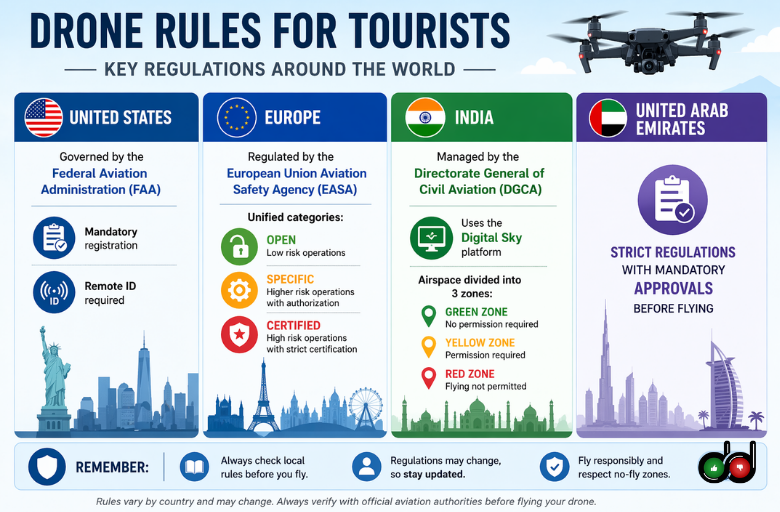
    This infographic will help you understand the regulations of FAA in the USA, EASA in Europe, DGCA in India, and the UAE

    Global drone laws infographic showing FAA, EASA, and DGCA regulations and zones

    No matter where you travel, never assume rules are the same as your home country. Few countries like Bhutan, Cuba, Brunei and Iran have also banned drones, so check for the drone regulations of your destination.

    Before you fly your drone in another country, here are a few things you should check:

    • Drone Registration: Many countries require you to register your drone before use
    • Permits: Some destinations require advance approval—even for recreational flying
    • Import Rules: Certain countries restrict or temporarily confiscate drones at customs
    • Insurance: Some countries require mandatory drone insurance especially in parts of Europe and increasingly recommended worldwide. It is important for liability in case of accidents
    • Privacy Laws – Filming people without consent can violate local laws. Sensitive locations (religious sites, private property) often have strict restrictions

    Tourists often fall into trouble because they assume rules are for locals and not for tourists.

    Restricted Areas You Must Avoid

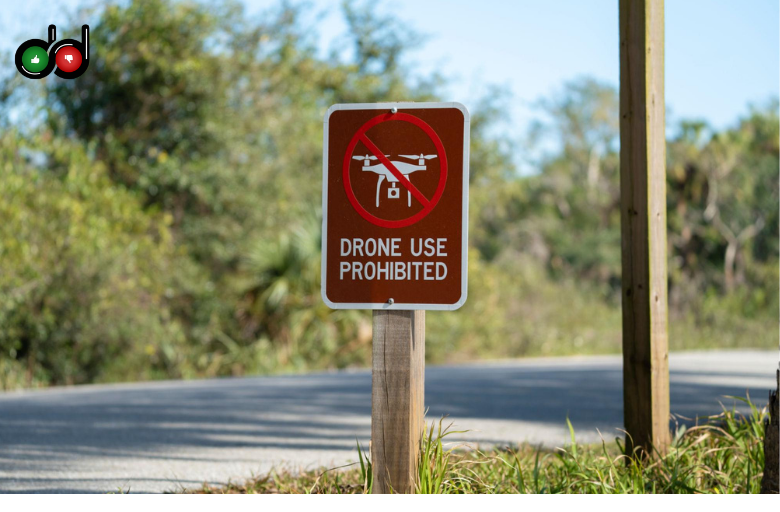
    No-fly zones for drones including airports, military areas, and national parks

    No matter where you are, some places are almost always off-limits:

    Common No-Fly Zones:

    • Near airports and airbase
    • Around military or government buildings
    • Inside national parks or protected areas
    • Over crowds or busy public spaces
    • Heritage Sites

    For example, in India, the Digital Sky system clearly marks Red Zones, where drone flying is strictly prohibited.

    Safety Rules Every Tourist Must Follow

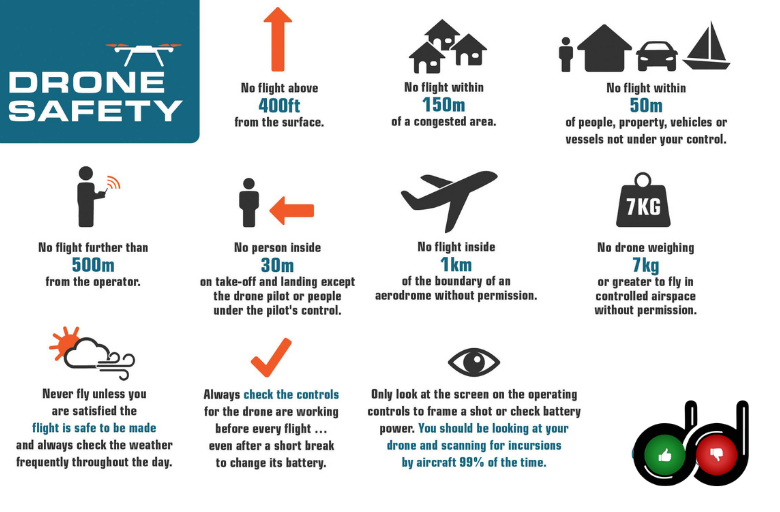
    Even if you’re allowed to fly, there are some basic rules you should stick to:

    • Keep your drone where you can see it at all times
    • Don’t fly too high (most countries limit it to around 120 meters)
    • Stay away from people and vehicles
    • Avoid crowded places and buildings
    • Avoid flying in bad weather
    • Stick to daytime flying (in most places)

    These rules are simple, but they make a big difference.

    Common Mistakes Tourists Make

    After looking at different cases and travel experiences, a few mistakes come up again and again:

    • Not checking rules before traveling
    • Flying in restricted zones without realizing
    • Skipping registration or permits
    • Posting restricted footage online
    • Carrying drones into countries where they’re banned

    And the consequences?

    • Fines
    • Drone confiscation
    • Trouble with authorities

    Pre-Flight Checklist for Tourists

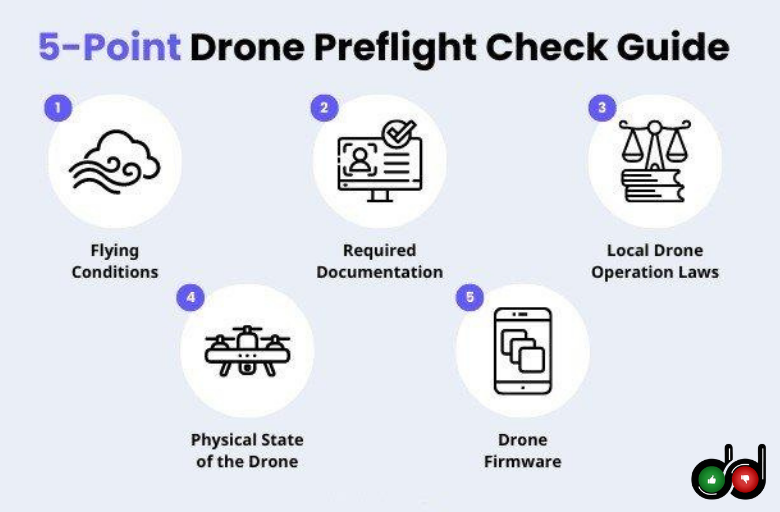
    Before you take off, run through this quick checklist:

    Drone travel checklist showing permits, safety checks, and no-fly zone verification before flying
    • Research drone laws for your destination
    • Register your drone (if required)
    • Check no-fly zones on official maps
    • Carry permits and insurance documents
    • Inspect batteries and equipment
    • Respect local privacy and cultural norms

    How Dos and Don’ts Simplifies Drone Rules for Tourists

    Understanding drone rules in a new country can feel confusing. Every destination has different laws, and most travel websites don’t go beyond surface-level information. That’s where Dos and Don’ts makes a real difference. Learn more about our mission on our About Us page.

    Instead of vague advice, it gives you clear, practical information you can actually use before you fly.

    It works like a smart travel companion, helping you understand exactly what’s allowed and what’s not—so you don’t have to second-guess.

    Here’s how it helps:

    Verified Rules: Get accurate information on drone registration, permits, and country-specific requirements—so you’re not relying on outdated or unclear sources.

    Location-Based Guidance: Know where you can and cannot fly. From tourist attractions to restricted zones, you get clarity before you even take your drone out.

    Safety & Compliance Tips: Understand altitude limits, no-fly zones, and basic safety rules—explained in a simple way anyone can follow.

    Avoid Costly Mistakes : Many tourists lose their drones or face fines simply because they didn’t know the rules. This tool helps you avoid those situations.

    Travel with Confidence: Instead of worrying about breaking a rule, you can focus on enjoying your trip and capturing great moments—responsibly.

    Dos and Don’ts simplifies drone laws the way they should be—clear, practical, and easy to follow

    Contact Us if you wish to see more such travel related specific blogs,

    Drone safety rules for tourists flying drones safely abroad

    Conclusion

    Flying a drone while traveling is an amazing experience—but only if done the right way.

    The rules aren’t there to stop you—they’re there to keep everyone safe.

    So before your next trip, take a little time to check what’s allowed and what’s not.

    Because the last thing you want is to lose your drone—or your peace of mind—over something that could have been avoided.

    Check out our blog sections for more such travel related rules and regulations.

    FAQs

    1. Can I carry a drone on an international flight?
    Yes, but airline policies and country regulations may vary. Check before you travel.

    2. Do tourists need a drone license?
    In some countries, yes—especially for commercial use.

    3. What happens if I fly in a restricted area?
    You may face fines, confiscation, or legal action.

    4. Are drone rules the same worldwide?
    No, they vary significantly by country.

    5. Can I fly drones at tourist attractions?
    Often restricted—always check local guidelines first.

    6. What is the safest way to carry a drone while travelling
    Carry the drone and batteries in your cabin baggage, follow safety guidelines, and check both airline and destination country rules before flying.

    7. What are the rules in India?
    Airlines in India follow guidelines from the Directorate General of Civil Aviation. Always check airline-specific policies
    Batteries → cabin only
    Drone → cabin preferred

    Leave a Reply

    Your email address will not be published. Required fields are marked *

  • 10 Common Tourist Scams Around the World – How to Avoid Them

    10 Common Tourist Scams Around the World – How to Avoid Them

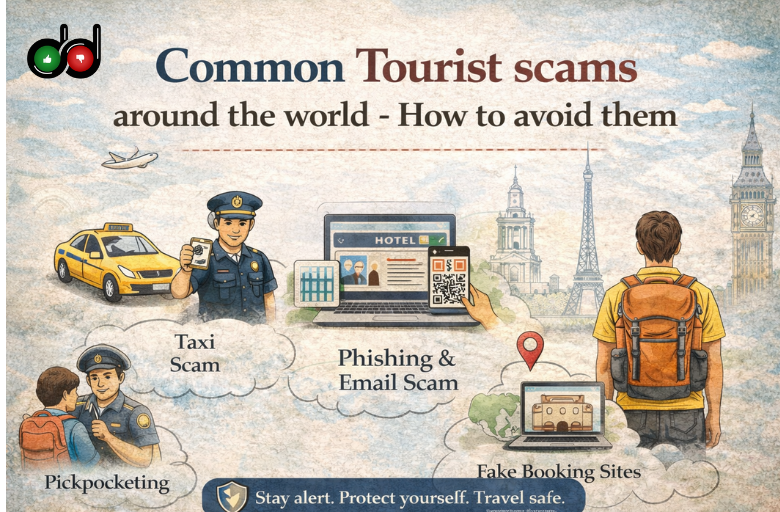
    Travel opens doors to new cultures, unforgettable experiences, and meaningful connections—but it also exposes you to common tourist scams around the world. If you don’t know how to avoid travel scams, a dream trip can quickly turn stressful and expensive.

    Today, the risk is higher than ever: over 608 million people fall victim to scams globally each year, and travel-related fraud alone is projected to cross $25 billion annually. Even more concerning, 47% of Indian travelers report being scammed, with many losing significant amounts.

    This isn’t just bad luck—it’s a pattern. And once you understand how these scams work, you can avoid becoming part of the statistics.

    Scammers have now advanced to digital frauds along with the usual traditional tricks. They use taxi fraud, pickpocketing tricks, fake police schemes, and digital frauds to target unsuspecting visitors every day. Understanding these risks—and knowing how to respond—can save you money, time, and peace of mind.
    Why travelers are easy targets

    Scammers don’t pick victims randomly—they look for opportunity.

    When you travel:

    • You step into unfamiliar environments
    • You depend on strangers for help
    • You carry cash, cards, and documents
    • You’re often distracted, excited, or rushed

    This combination makes tourists high-value, low-resistance targets. Scammers increase their activity by up to 28% during peak tourist seasons, when crowds help them blend in and disappear more easily.

    Why These Scams Work

    Tourist scams succeed because they manipulate basic human psychology:

    • Trust: You assume helpful intent
    • Fear: Authority creates pressure
    • Confusion: New environments reduce awareness
    • Urgency: You react instead of thinking

    Scammers don’t rely on force—they rely on your split-second decisions. And with the rise of digital fraud, even experienced travelers are vulnerable. Today, over 36% of travel scams begin online, through fake booking links, phishing emails, or impersonation.

    Most Common Tourist Scams

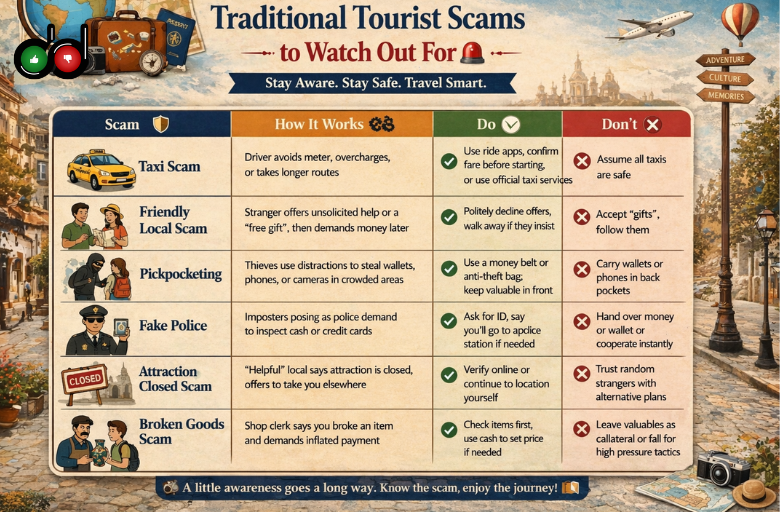
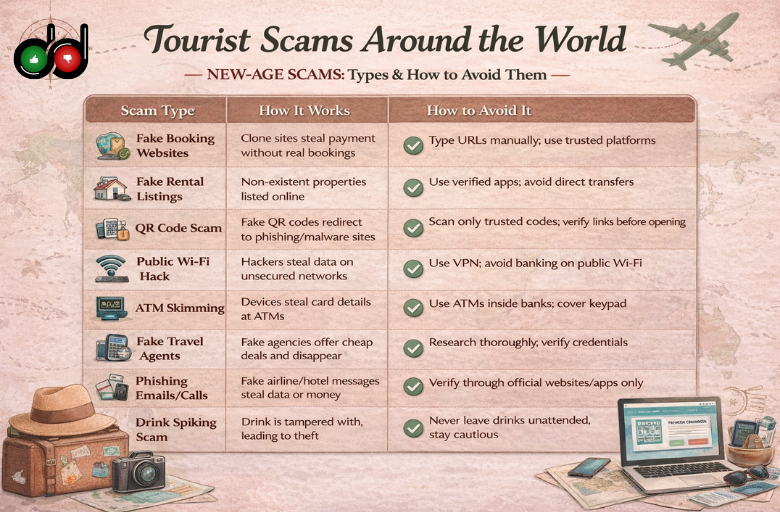
    Before diving into the list, it helps to understand that tourist scams broadly fall into two categories: traditional scams and new-age scams.

    🧳 What are Traditional Scams?

    Traditional scams are on-ground, face-to-face tricks that have existed for decades. They rely on human interaction—like a taxi driver overcharging, a “friendly” stranger offering help, or pickpockets creating distractions in crowded places.

    They are called traditional scams because:

    • They have used these tricks for years across popular tourist destinations.
    • They follow predictable patterns
    • They depend on human psychology—trust, confusion, and urgency

    These scams don’t need technology—just the right moment and an unaware traveller.


    📱 What are New-Age Scams?

    New-age scams are digitally driven or tech-enabled frauds that often begin before your trip even starts. These include fake booking websites, phishing emails, QR code scams, and fraudulent listings.

    They are called new-age scams because:

    • They use technology, AI, and digital platforms
    • They are more sophisticated and harder to detect
    • They can target you globally, even before you travel

    How Dos and Don’ts helps you to avoid these scams

    Key Features for Navigating with Confidence is how it works:

    • Verified Rule Sets: Get access to factual, up-to-date safety tips while traveling locally and globally, eliminating the guesswork before you arrive.
    • Structured Information: Skip the long-form reviews; our platform offers easy-to-read, bulleted guidelines designed for quick consumption on the go.
    • Universal Coverage: We provide behavioral guidance that covers the full spectrum of travel guidelines.
    • Time and Stress Savings: Avoid uncomfortable social situations or being looted by knowing exactly what is expected of you in advance.
    • Cultural Intelligence: Understand the local specific and common scams and the way to avoid them, ensuring you remain safe at all times. 

    By focusing on preparedness rather than opinions, Dos and Don’ts transform how you remain safe from scamsters whether traveling in group or solo travel. Whether you are a first-time visitor or a localite, we provide the clarity you need to navigate guidelines without friction or unpleasantness.

    FAQs


    1. What are the most common tourist scams globally?
    Common scams include taxi overcharging, pickpocketing, fake police checks, distraction scams, and “friendly local” setups.

    2. How can I identify a scam quickly?
    Look for red flags such as urgency, unsolicited help, refusal to use official systems (like taxi meters), or requests for cash without receipts.

    3. Are scams more common in certain countries?
    Scams can occur anywhere, especially in high-tourism areas. The type of scam may vary by region, but no destination is completely scam-free.

    4. What should I do if I get scammed?
    Stay calm, avoid confrontation, report the incident to local authorities or your embassy if necessary, and block compromised cards immediately.

    5. Is it safe to trust locals offering help?
    Not always. While many locals are genuinely helpful, unsolicited assistance—especially in tourist hotspots—should be approached cautiously.

    6. How can I protect my money while travelling?
    Use a mix of payment methods, avoid carrying large cash amounts, use secure wallets, and enable transaction alerts on your cards.

    Key Takeaways

    • Traveler scams around the world cost individuals and the industry billions, with over 608 million victims annually.
    • Scammers target tourists due to their vulnerability in unfamiliar environments and reliance on strangers.
    • Common scams include taxi fraud, pickpocketing, and digital scams like phishing and fake bookings.
    • Understanding both traditional and new-age scams helps travelers protect themselves and navigate safely.
    • Adopting key features such as verified rule sets and cultural intelligence enhances safety and confidence while traveling.

    Leave a Reply

    Your email address will not be published. Required fields are marked *

  • South India Temple Guide: Etiquette, Dress Code & Mistakes to Avoid

    South India Temple Guide: Etiquette, Dress Code & Mistakes to Avoid

    Temples in South India are not just architectural landmarks—they are living spaces of faith, tradition, and deeply rooted cultural practices. Understanding temple etiquette in South India – dos and don’ts is especially important for all visitors. Being mindful of temple etiquette is essential, as what might seem like a small oversight—wearing the wrong dress code, using your phone casually, or not following rituals—can unintentionally come across as disrespectful.

    A little awareness before you enter a temple can make your visit more meaningful, respectful, and seamless. This guide will help you navigate the essential dos and don’ts so that you can experience South Indian temples the way they are meant to be experienced.

    Why Temple Etiquette Matters

    Temple visits form a significant part of travel in India, with religious tourism accounting for over 60% of domestic trips and more than a billion visits recorded annually.

    South India, home to thousands of temples and major pilgrimage centers like Tirupati, attracts millions of visitors every year. However, a large number of these visitors are first-time or non-local travelers, many of whom are unfamiliar with temple customs. This gap in awareness often leads to confusion around dress codes, rituals, and behavior, making etiquette an important aspect of the overall experience.

    Following temple etiquette helps maintain the sanctity of the space, ensures smooth movement of devotees, and prevents unintentional disruption of rituals. It also reflects respect for the beliefs of the local community and the cultural significance of the temple.

    Spiritual significance vs tourism:

    Visitors may admire the architecture or history, but devotees use temples as spaces for prayer and spiritual connection. When visitors treat them purely as sightseeing spots, they can disrupt this environment, whereas maintaining decorum helps preserve a respectful space for both worship and visitation.


    Respecting local beliefs:

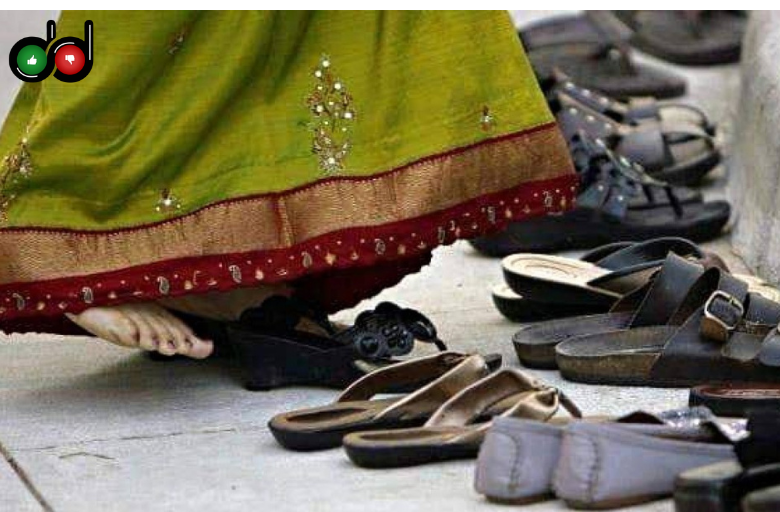
    Temple customs—such as dress codes, removing footwear, and photography restrictions—reflect long-standing religious and cultural practices and can vary by temple.

    Following these guidelines shows respect for local traditions, helps avoid misunderstandings, and ensures a culturally sensitive visit.

    Dress Code Guidelines in South Indian Temples

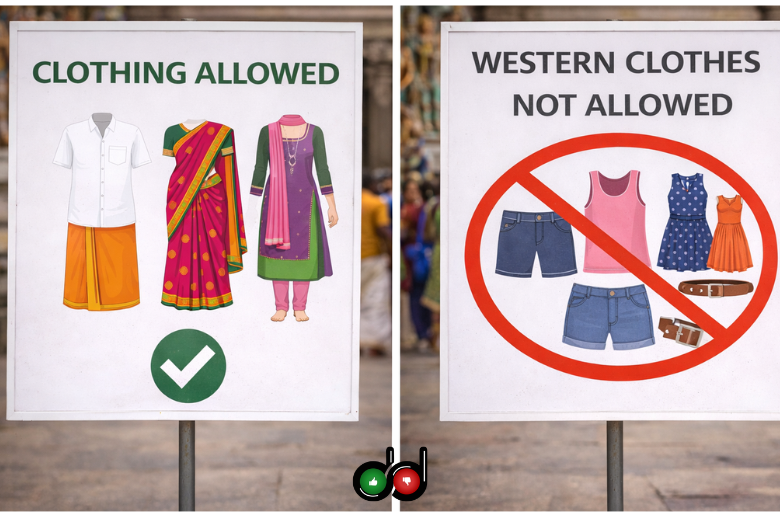
    Most temples in South India expect visitors to dress modestly as a mark of respect for the sanctity of the space. Dress codes are often influenced by traditional practices and may vary depending on the temple. In some temples, especially prominent ones, traditional attire is encouraged or mandatory for entry into certain areas.

    What is Considered Appropriate Clothing

    Appropriate clothing typically includes outfits that cover shoulders and knees. For example, visitors to Tirumala Venkateswara Temple are encouraged to wear traditional attire such as sarees, salwar kameez, dhoti, or formal pants and shirts.

    Temple-Specific Dress Rules

    Certain temples have stricter requirements. At Padmanabhaswamy Temple, men are required to wear a dhoti(mundu), and shirts must be removed before entering. Women are expected to wear sarees or traditional attire.

    Similarly, Guruvayur Temple does not permit modern clothing like jeans or western outfits inside.

    Behaviour Inside the Temple Premises

    Maintaining appropriate behaviour is essential because temples function as active places of worship, not just heritage sites.

    Silence and Discipline

    Temples like Meenakshi Amman Temple attract thousands of devotees daily. Despite the crowds, there is an expectation of maintaining calm and order inside the premises.

    Mobile Phone Usage

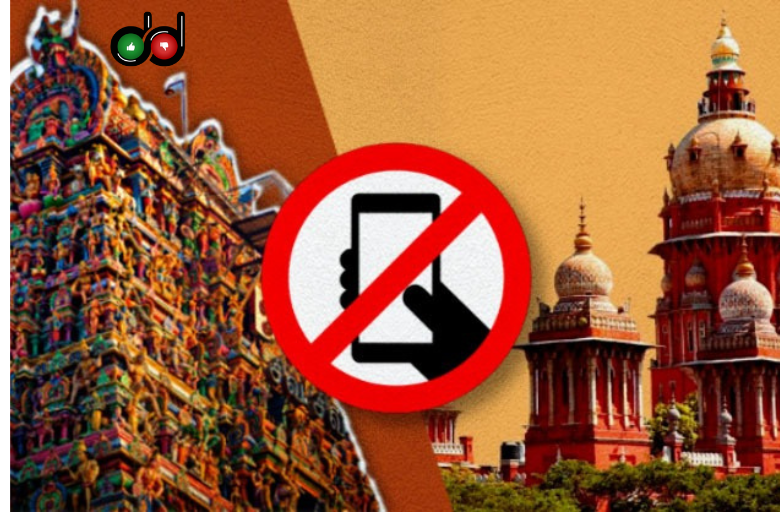
    In many temples, including Chidambaram Nataraja Temple, mobile phones are either restricted or must be kept on silent mode.

    Following Queue Systems

    Temples such as Tirumala Venkateswara Temple are known for their highly organized queue systems, sometimes involving waiting periods of several hours.

    Understanding Rituals and Practices

    Temple rituals are structured and often follow centuries-old traditions.

    Prasadam Etiquette

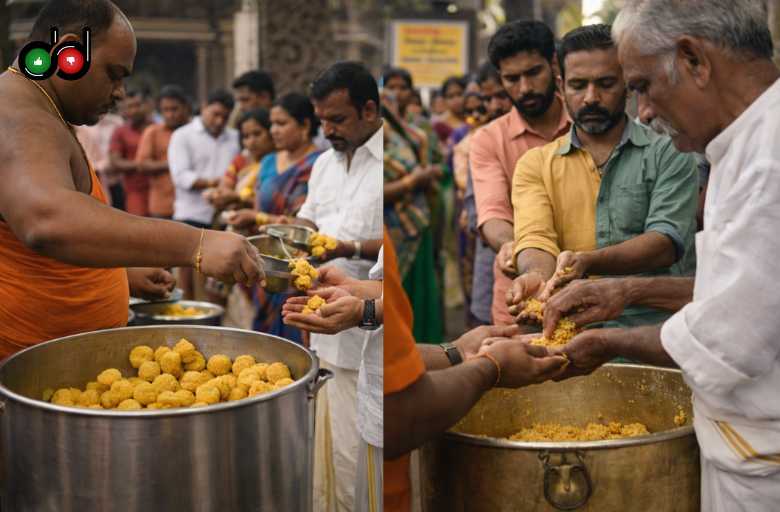
    At temples like Tirumala Venkateswara Temple, the famous laddu prasadam is distributed in an orderly manner.

    Darshan Process

    In most temples, darshan is brief to accommodate large crowds. At Sabarimala Temple (during pilgrimage season), crowd management is especially strict.

    Offerings and Donations

    Many temples have official counters for offerings. For example, at Tirumala Venkateswara Temple, donations are made through authorised systems like hundi (donation boxes).

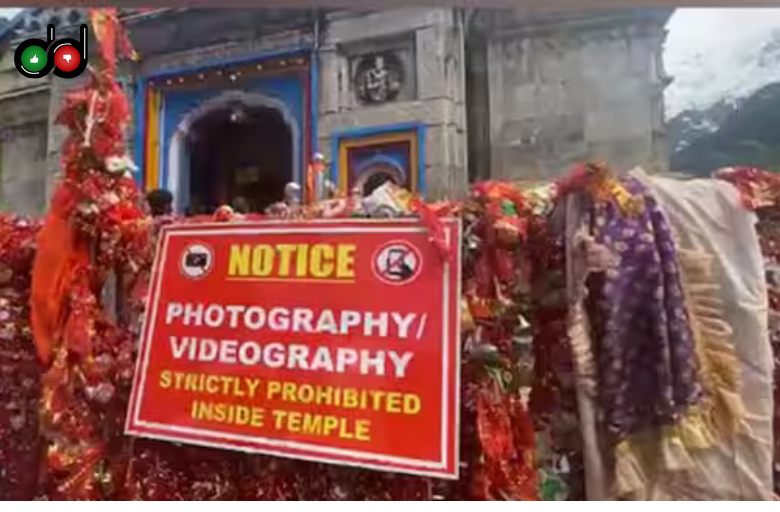
    Photography and Restricted Areas

    Photography rules are strictly enforced in most temples.

    Where Photography is Prohibited

    In temples like Meenakshi Amman Temple, photography may be allowed in outer corridors but is prohibited inside the sanctum.

    Respecting Sacred Zones

    The inner sanctum (garbhagriha) is typically restricted to priests. Visitors are not allowed to cross certain boundaries.

    Common Mistakes Tourists Make


    Treating Temples as Tourist Spots

    Temples like Hampi Virupaksha Temple attract both tourists and devotees.

    Ignoring Dress Codes

    Even at popular temples, visitors are occasionally turned away due to inappropriate clothing.

    Disrespecting Rituals

    Standing in restricted areas, interrupting rituals, or not following instructions can disrupt temple proceedings.

    Quick Dos and Don’ts Checklist

    How Dos and Don’ts Guides your temple visits to South India

    Key Features for Navigating with Confidence:

    Verified Rule Sets: Get access to factual, up-to-date requirements for entry, dress codes, and documentation for safety tips for women traveling alone, eliminating the guesswork before you arrive.

    Structured Information: Skip the long-form reviews; our platform offers easy-to-read, bulleted guidelines designed for quick consumption on the go.

    Universal Coverage: We provide behavioral guidance that covers the full spectrum of temple etiquettes in South India.

    Time and Stress Savings: Avoid uncomfortable social situations or being turned away at the door by knowing exactly what is expected of you in advance.

    Cultural Intelligence: Understand the specific etiquette and restrictions of any temple, ensuring you remain respectful of local traditions and administrative policies.

    Conclusion

    Visiting temples in South India is more than just exploring architecture—it’s about stepping into a deeply rooted spiritual ecosystem. A little awareness about customs, behaviour, and expectations can transform your visit from a casual stop into a meaningful experience. Respect, patience, and observation go a long way in ensuring you leave with not just memories, but understanding.

    TEMPLE ETIQUETTE IN SOUTH INDIA — FAQs

    1. Can non-Hindus enter all temples in South India?


    No. Entry rules vary by temple. Some temples (like certain traditional temples in Kerala and Tamil Nadu) restrict entry to Hindus only, while many others allow visitors of all faiths. Always check the specific temple’s policy before visiting.

    2. Is there a strict dress code for temples?


    Yes, many temples enforce modest dress codes. This typically means covering shoulders and knees. Some temples (e.g., Guruvayur, Padmanabhaswamy) require traditional attire like sarees, dhotis, or mundu.

    3. Are phones allowed inside temples?


    In many temples, phones are either restricted or must be kept on silent. Some temples require visitors to deposit phones at designated counters.

    4. Can tourists participate in rituals?


     Yes, in many temples tourists can participate in general rituals (like receiving prasadam), but certain rituals may be restricted to priests or specific devotees.

    5. What is prasadam and how should it be accepted?


    Prasadam is food or offering blessed during worship. It should be accepted respectfully, usually with the right hand or both hands, and not wasted.

    6. Is photography allowed inside temple premises?

     Often, photography is prohibited inside sanctum areas and sometimes throughout the temple. Always follow posted signs or instructions.

    Leave a Reply

    Your email address will not be published. Required fields are marked *

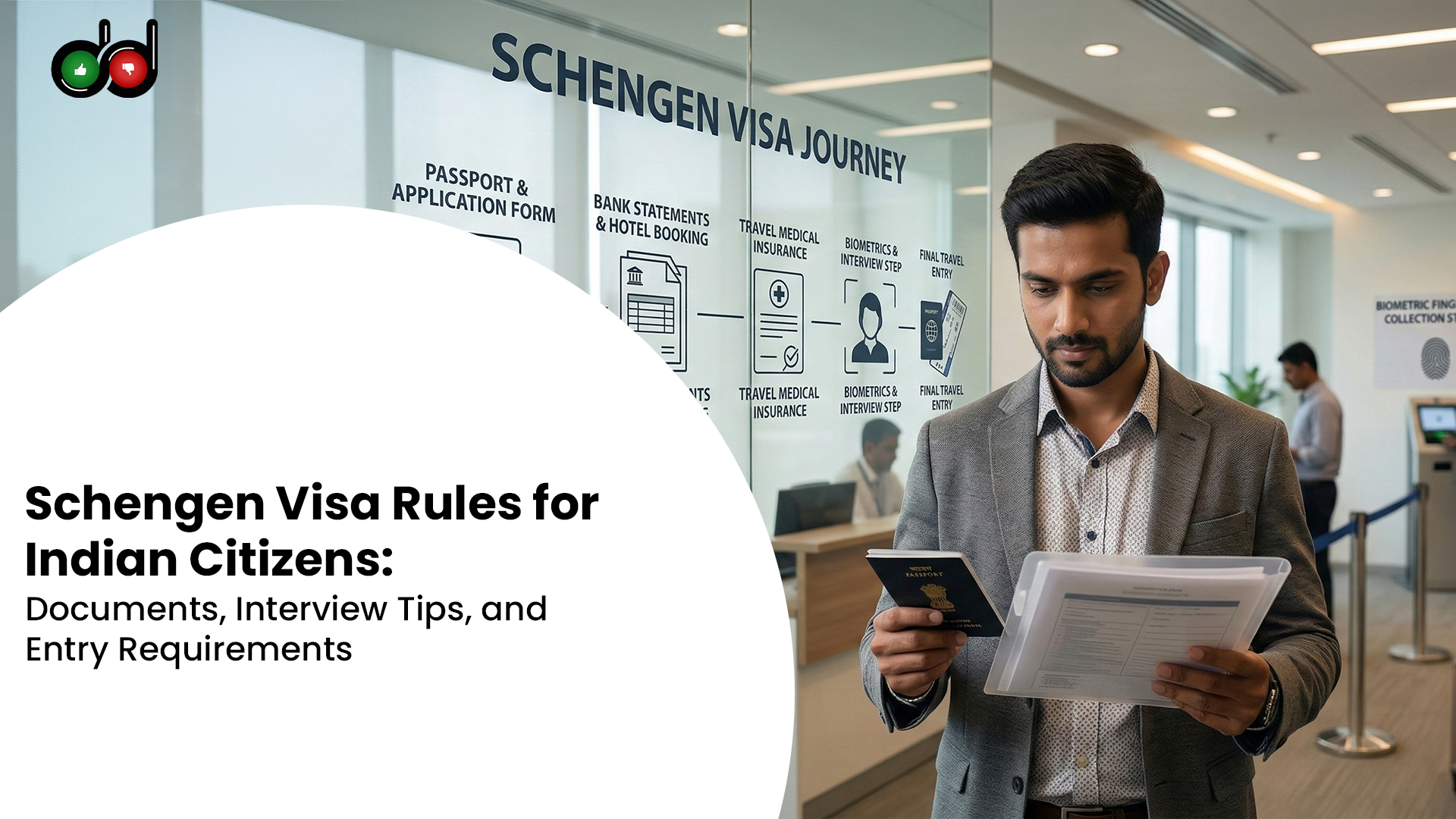
  • Schengen Visa Rules for Indian Citizens: Documents, Interview Tips, and Entry Requirements

    Schengen Visa Rules for Indian Citizens: Documents, Interview Tips, and Entry Requirements

    Indian travellers filed over 1.1 million visa requests last year. About 165,000 people faced Schengen visa rejection reasons like bad paperwork. You must understand the updated Schengen visa rules for Indian citizens to stay ahead. 

    The Schengen visa fee for Indians in 2026 is now 90 euros and non-refundable. New tech like the EES entry/exit system in India starts in April 2026 to track your stay digitally. Follow these Schengen visa rules for Indian applicants to get your approval. We help you get your Schengen visa documents right the first time.

    Schengen Visa Documents Indian Citizens Actually Need in 2026 (The Full Checklist)

    Missing a single paper leads to a fast rejection. You must follow the latest Schengen visa rules for Indian applicants to secure your trip. Use this checklist to get your Schengen visa documents ready.

    1. The Passport Rule Most First-Time Indian Applicants Miss

    Your passport needs three months of validity after you return home.

    • Submit all old or cancelled passports.
    • Get a police FIR if you lost an old passport.
    • Ensure you have two blank pages for the new digital stickers.

    2. Financial Documents: Why Bank Statements Get Rejected

    A healthy bank balance for Schengen visa approval shows you can afford the trip.

    • Provide stamped bank statements for the last six months.
    • Avoid sudden large deposits that you cannot explain.
    • Include your ITR for the Schengen visa for the last three years.
    • Keep a bank balance for a Schengen visa of at least ₹2 to ₹5 lakhs depending on your stay duration.

    3. Travel Insurance: The One-Day Gap That Kills Applications

    You must buy Schengen travel insurance with a minimum coverage of 30,000 euros to cover medical emergencies. Match your insurance dates exactly with your flights. Even a one-day gap violates the Schengen visa rules for Indian travellers and causes a rejection.

    Errors in these papers are common Schengen visa rejection reasons that you can easily avoid with the right preparation.

    Schengen Visa Rejection Reasons Indian Applicants Hit Most and What’s Changed in 2026

    Schengen visa rejection reasons

    The Schengen visa rules for Indian travellers require a clean record. Most rejections happen because your travel history or money trails don’t add up.

    1. The Wrong Embassy Problem Nobody Talks About

    You must apply at the embassy where you spend the most nights. If you spend eight days in Germany and two in France, you must apply through Germany. 

    Applying to the wrong mission is a common trigger for Schengen visa rejections. Digital systems in 2026 track your hotel bookings to catch these errors.

    2. Proof of Return Intent: The Invisible Rejection Trigger

    Show you have reasons to come back to India. Including details about your job, family, or property in your Schengen visa cover letter from India helps establish strong ties to your home country. 

    A strong cover letter for a Schengen visa from India explains why you won’t overstay. Follow these Schengen visa rules for Indian citizens to lower your risk.

    3. Which Country to Apply Through for the Best Approval Odds

    Check the Schengen visa approval rate data for India before you book. Lithuania and Latvia have a 92% to 95% Schengen visa approval rate in India for most travellers. Avoid countries like Malta, which rejects nearly 38% of applicants. 

    Pick a country with a high Schengen visa approval rate that fits your real travel plan. Once you pick the right country, you must book your VFS Global appointment in India to start the process.

    VFS Appointment Process and Schengen Visa Rules for Indian Travellers

    Schengen visa documents

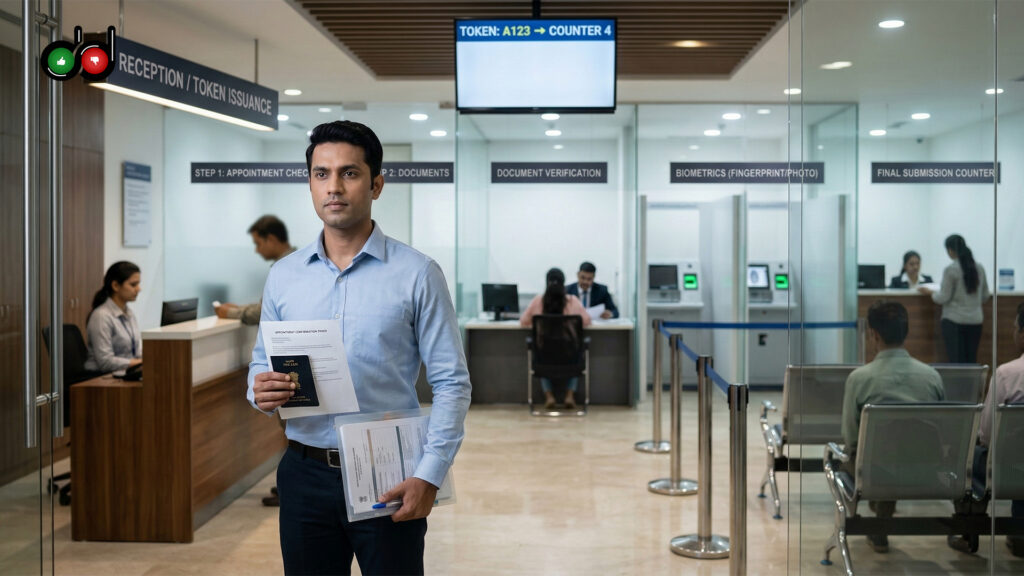
    Securing a VFS Global appointment in India is the first major hurdle. You must follow the exact Schengen visa rules for Indian citizens to avoid being turned away at the door.

    1. How the VFS Global Appointment in India Actually Works

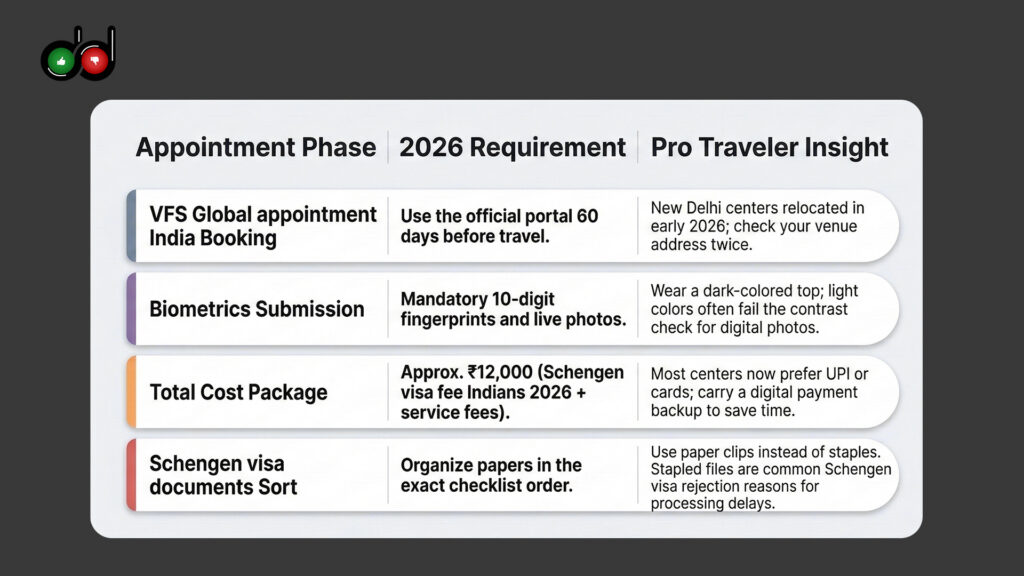
    The process for a VFS Global appointment in India is now fully digital. You must show up in person to provide your fingerprints and a digital photo.

    • Follow the Schengen visa rules for Indian applicants by bringing your printed appointment letter.
    • You pay the Schengen visa fee 2026 of roughly ₹9,400 at the centre if you did not pay online.
    • If you gave biometrics in the last 59 months, you might skip the fingerprints, but the consulate still needs a fresh photo.
    • Organise your Schengen visa documents in the exact order the checklist requires.

    2. Processing Times and When to Apply in 2026

    Most applications take 15 days, but peak times often stretch to 45 days. High demand causes Schengen visa rejection reasons when people apply too late. Follow the Schengen visa rules for Indian travellers by applying at least two months early.
    These Schengen visa rules for Indian applicants ensure your file gets a fair review before your flight.
    Key Facts for Your VFS Global Appointment India:

    VFS Global Appointment India

    Managing your timeline stops common errors and secures your entry into Europe.

    The 90/180 Day Rule and the EES Change Affecting Every Indian Traveller in 2026

    Staying legal in Europe requires mastering the 90 days, 180 days Schengen rule. This rule limits your stay across 29 countries. Following the Schengen visa rules for Indian citizens means tracking every trip to avoid fines.

    1. How the 90 days 180 days The Schengen rule actually works.

    The 90-day, 180-day Schengen rule counts back 180 days from each day you spend in Europe.

    • You get a total of 90 days.
    • Short trips out of the zone do not reset your stay limit.
    • Overstaying is one of the top Schengen visa rejection reasons for future visits.
    • Always follow the Schengen visa rules for Indian travellers to stay compliant.

    2. EES entry/exit system in India in 2026 (What You Must Know)

    The EES (Entry-Exit System) in India hits full mandatory operation on April 10, 2026. This digital gatekeeper replaces manual stamps with biometrics. When you present your Schengen visa documents at the border, the system records your face and fingerprints. 

    Any overstay is instantly flagged across the zone. Stick to the Schengen visa rules for Indian travellers to protect your travel record. These Schengen visa rules for Indian points keep you safe.

    Mastering these entry rules ensures your European trip stays on track.

    How Dos and Don’ts Simplify Schengen Visa Rules for Indian Travellers

    Traditional travel sites focus on photos, but Dos and Don’ts gives you objective, location-specific data. We bridge the gap regarding local etiquette and Schengen visa rules for Indian citizens. 

    Our platform ensures you have a confident experience across 10,000+ spaces.

    • Verified Rule Sets: Access up-to-date entry requirements and Schengen visa documents checklists to eliminate guesswork.
    • Structured Information: Get easy-to-read, bulleted guidelines for quick consumption while you travel.
    • Universal Coverage: We provide behavioural guidance for everything from government offices to tourist landmarks.
    • Time & Stress Savings: Avoid being turned away at the door by knowing exactly what is expected.

    We help you follow Schengen visa rules for Indian travellers without friction. Explore how Dos and Don’ts simplifies your trip. Dos and Don’ts

    Conclusion

    Schengen visa rules for Indian applicants are stricter in 2026. Higher fees and low success rates make every mistake expensive. Missing one detail in your Schengen visa documents leads to an instant rejection. 

    The EES system now records overstays digitally, creating permanent blacklists across 29 countries. One error ruins your travel future and wastes your non-refundable money. 

    You cannot afford to guess. Dos and Don’ts provides the verified, fact-based guidance you need to follow Schengen visa rules for Indian travel. Use our platform to secure your approval and travel with total peace of mind.

    Check the specific requirements for your destination on Dos and Don’ts before you submit your file to ensure total compliance.

    FAQs

    1. How much bank balance is required for a Schengen visa from India?

    A healthy bank balance for a Schengen visa shows you can afford Europe. Most Schengen visa rules for Indian applicants suggest ₹2–5 lakhs. Avoid sudden deposits, which are top Schengen visa rejection reasons. Don’t forget your ITR for the Schengen visa too.

    2. Is a cover letter mandatory for Schengen visa applications from India?

    A cover letter for a Schengen visa from India is your best chance to prove return intent. It helps you follow Schengen visa rules for Indian citizens by explaining your itinerary. Missing this often triggers common Schengen visa rejection reasons during your application review.

    3. Can I apply for a Schengen visa if I plan to visit multiple countries?

    Determining which country to apply to for a Schengen visa from India depends on where you will spend the most time. If stays are equal, use your first entry point. Violating this part of the Schengen visa rules for Indian travel often results in a fast rejection.

    4. What is the Schengen visa fee for Indian applicants in 2026?

    The Schengen visa fee for Indians in 2026 is €90. This non-refundable payment is separate from the service charges for your VFS Global appointment in India. Follow Schengen visa rules for Indian applicants to avoid losing your money to avoidable Schengen visa rejection reasons.

    5. What does the EES system mean for Indian travellers entering Europe in 2026?

    The EES entry/exit system in India starts in April 2026. It tracks the 90-day, 180-day Schengen rule using digital biometrics instead of stamps. Follow Schengen visa rules for Indian entry to ensure your data record stays clean for future visits.

    6. Which Schengen country is easiest to get a visa from for Indian applicants?

    Lithuania and Iceland have the best Schengen visa approval rate in India. When choosing which country to apply for Schengen from India, match your itinerary exactly. Always double-check your Schengen visa documents to meet all the Schengen visa rules for Indian travellers.

    2 responses to “Schengen Visa Rules for Indian Citizens: Documents, Interview Tips, and Entry Requirements”

    1. Vandana Avatar
      Vandana

      Very informative and helpful blog. Thank you.

    2. Neelam Arora Avatar
      Neelam Arora

      I got very useful information from this blogg as I m planning to travel to Europe. Step by step I have followed all the do’s and don’ts which is really helping me . Thanks for such a wonderful information…my best wishes 🙏

    Leave a Reply

    Your email address will not be published. Required fields are marked *

  • Visa Rules for Indian Citizens: Types, Application Process, and Travel Requirements

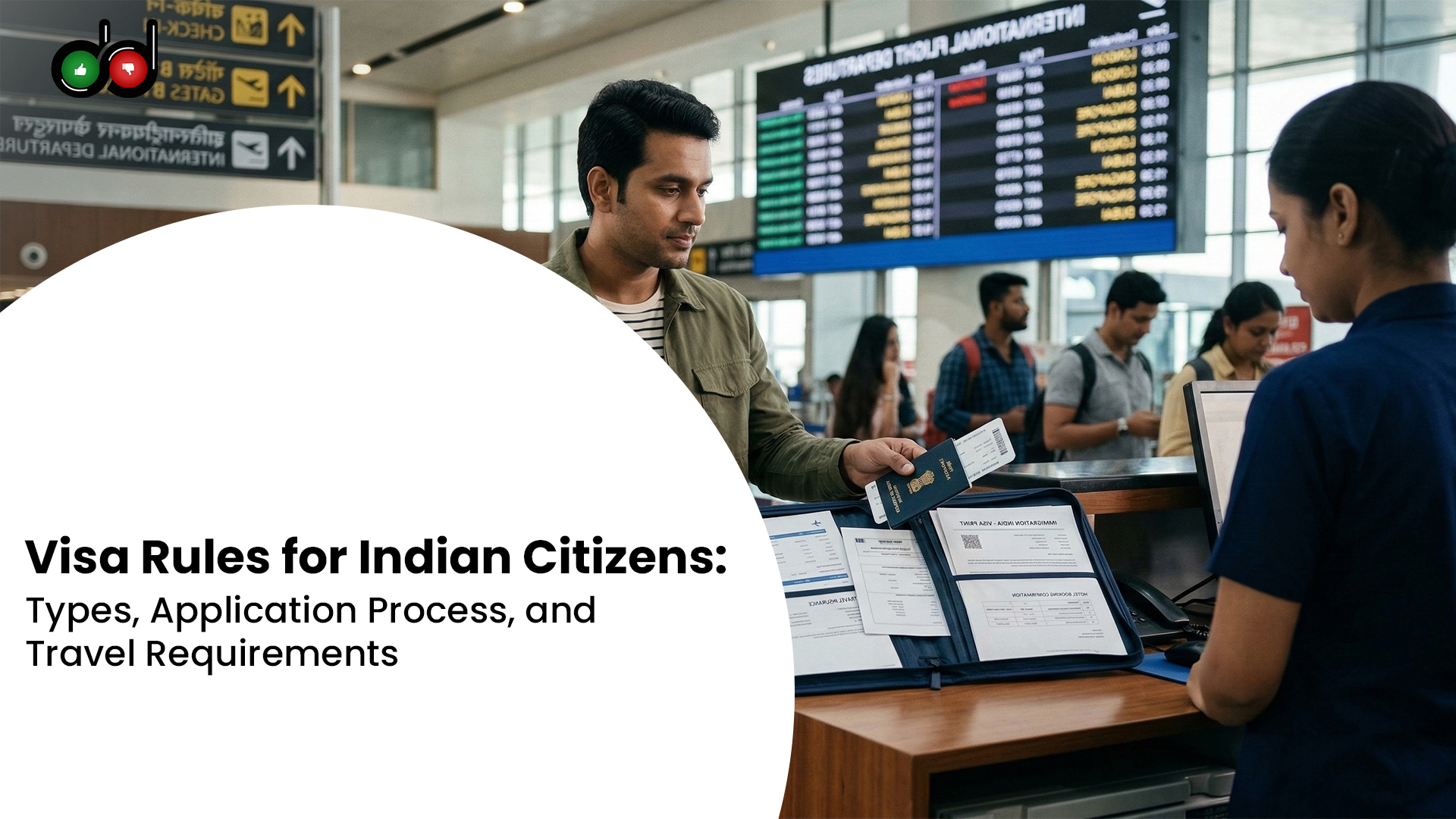
    Visa Rules for Indian Citizens: Types, Application Process, and Travel Requirements

    Travel hit a high in 2025 with 3.27 crore trips from India. Demand grew fast as 2 crore people flew internationally in the final quarter of that year. You often lose time because of small errors in paperwork or choosing the wrong visa types for Indians. 

    This guide clarifies visa rules for Indian citizens for your 2026 trips. We cover the visa application process for Indians and the travel requirements for Indian citizens at the border. 

    EU guidance says ETIAS starts in late 2026. Appointment wait times remain estimates only. Follow these visa rules for Indian citizens to avoid rejections.

    Visa Rules for Indian Citizens by Visa Type and Destination Pattern

    Picking the right category is your first hurdle. Most travellers get stuck because they confuse visa types for Indians, which leads to denied boarding. 

    Under current visa rules for Indian citizens, a tourist permit won’t work for a short tech workshop in Berlin or London. You need a business entry for that. Following the latest visa rules for Indian citizens helps you avoid these costly mistakes.

    A) The 5 Visa Types Indians Commonly Mix Up

    • Tourist and Visitor Visa: Use this for holidays. Some countries now ask for a host ID if you stay with friends.
    • Business Visa: This is for meetings only. Don’t use it to seek a job.
    • Student Visa: You need an admission letter and a clear funding plan.
    • Work Visa: These often involve a lottery or skilled points system.
    • Transit Visa: You might need a transit visa for a London or Dubai layover, even if you stay airside.

    B) Visa Free, Visa on Arrival, eVisa, ETA

    The eVisa for Indian passport holders is now common for Russia and Japan. However, a visa on arrival for Indians in Thailand or Indonesia still requires you to show $500 in cash or a card. Always check the latest visa rules for Indian citizens before you fly, as lists change. 

    C) The Less Obvious Category

    Some visa rules for Indian citizens apply even if you don’t leave the plane. A transit visa is mandatory for certain UK or Canadian layovers. Other countries require pre-travel authorisation even for visa-free entry.

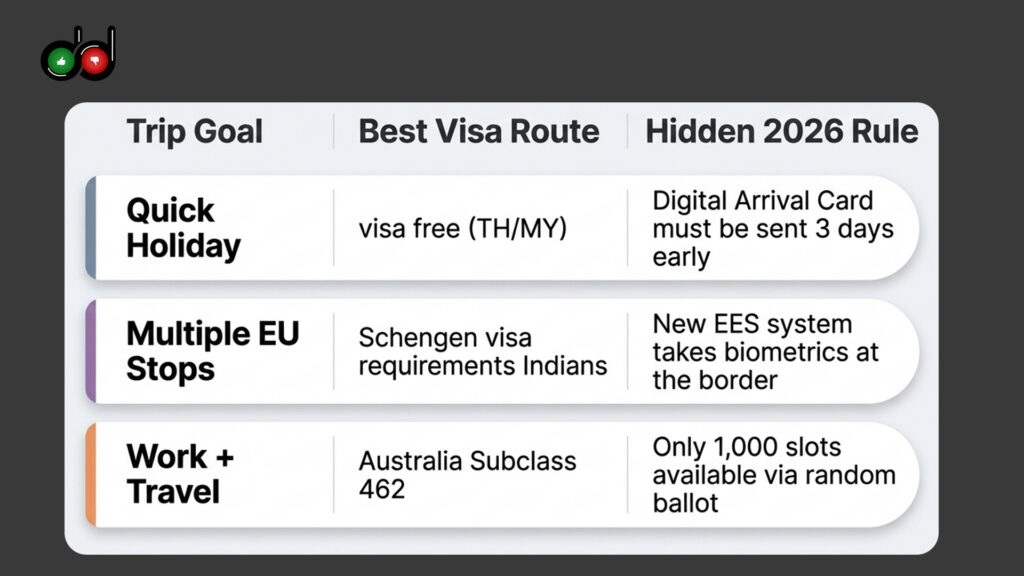
    Quick Decision Table

    visa application process for Indians

    These visa rules for Indian citizens ensure your profile matches your purpose. Getting this part right sets the stage for a smooth visa application process for Indians.

    Visa Application Process for Indians: The Step-by-Step Path That Prevents Rejections

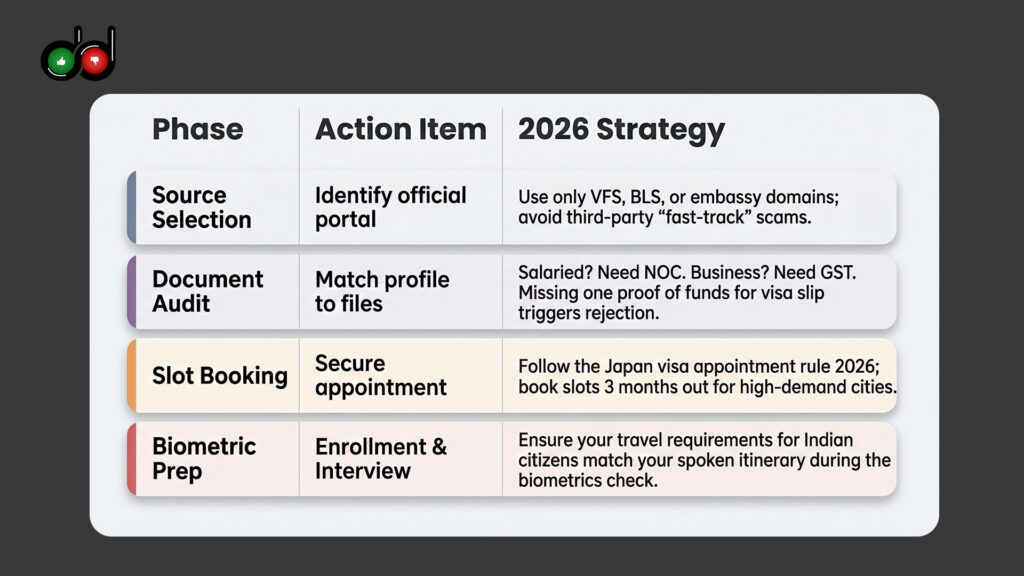
    Success depends on how you handle the official visa application process for Indians. Even minor errors in your digital forms can lead to immediate refusal. Follow this path to keep your travel plans on track for 2026.

    Step 1: Choose the Right Application Channel

    Stop using unofficial third-party sites. Always go through the embassy portal or authorised centres like VFS Global. The Japan visa appointment rule 2026 now requires you to book a slot online if you live in Chennai or Hyderabad; walk-ins ended in March. 

    For the US, remember that visa types for Indians like the B1/B2 (Dropbox) are now centralised in New Delhi.

    Step 2: Build a Visa File That Matches Your Profile

    • Salaried Applicants: You must provide an original NOC on company letterhead and 6 months of salary slips.
    • Self-Employed: Include your GST registration and the last three years of ITR.
    • Students: Carry your Bonafide Certificate and a signed letter from your sponsor.
    • Sponsorship: If a relative pays for you, include their proof of funds for the visa and a notarised invitation.

    Step 3: Appointments and Wait Times

    The US B1/B2 visa visa wait time in India varies by city.. Chennai currently offers slots within 1.5 months, while Mumbai averages 10 months. Check these daily, as new slots open often.

    travel requirements for Indian citizens

    Step 4: Biometrics and Interviews

    Schengen visa requirements for Indians now involve the Entry/Exit System (EES) for biometric capture. During interviews, avoid vague answers like “I just want to see the city.” Instead, explain your specific daily plans to show your travel intent is real.

    Building a strong file simplifies the visa application process for Indians. Next, we will check the specific travel requirements for Indian citizens that matter at the airport.

    Travel Requirements for Indian Citizens: What Immigration Checks First

    Getting your passport stamped at the embassy is only half the battle. To clear the border, you must meet specific travel requirements for Indian citizens at the immigration counter. Officers in 2026 are stricter about digital verifications and physical documents alike.

    1. Passport Validity and Blank Pages Rules

    Airlines strictly enforce the six-month rule. If your passport expires in less than six months from your travel date, they will deny you boarding.

    • Check for Blank Space: Certain visa types for Indians require full-page stickers. You generally need at least two entirely blank pages for entry and exit stamps.
    • Physical Condition: Ensure your passport has no torn pages or data-chip damage. These issues lead to immediate deportation or boarding denials.

    2. Proof of Funds and Financial Story

    Immigration officers often ask for fresh proof of funds for visa checks at the desk. Under Schengen visa requirements, Indians must show roughly €100 for each day of the stay. 

    Carry a printed bank statement from the last 90 days or show a live balance on your travel card app. Avoid making large, unexplained deposits right before you travel. This looks suspicious during a random check of your visa rules for Indian citizens’ compliance.

    3. Travel Insurance, Hotel, and Itinerary Rules

    For many regions, travel insurance for a visa is a mandatory entry document. Your policy must cover at least $30,000 to $50,000 for medical emergencies and include clauses required by local visa rules for Indian citizens.

    • Verification: Keep a printed copy of your hotel bookings.
    • Host Details: If you stay with a friend, have their invitation letter and local ID copy ready. Officers may call them to verify your travel requirements for Indian citizens.

    4. Return Ticket and Onwards Travel

    Meeting the onwards ticket requirement is non-negotiable for almost all visas on arrival for Indian destinations. You must show a confirmed flight out of the country; “dummy” tickets often fail verification in 2026. 

    If you are on a multi-country tour, have the next flight and the visa types for Indians required for that next stop ready on your phone or in a folder. Following these visa rules for Indian citizens ensures you don’t get turned back at the gate.

    How Dos and Don’ts Simplify Visa Rules for Indian Citizens

    How Dos and Don’ts Simplify Visa Rules for Indian Citizens

    Traditional platforms focus on subjective reviews, but Dos and Don’ts provides objective, location-specific guidelines for visa rules for Indian citizens. 

    We bridge the information gap regarding local requirements and etiquette to ensure a confident travel experience across 10,000+ spaces.

    Key Features for Planning with Confidence:

    • Verified Rule Sets: Access factual, up-to-date documentation and entry requirements for visa rules for Indian citizens.
    • Structured Information: Use easy-to-read, bulleted guidelines instead of long-form reviews for quick consumption.
    • Universal Coverage: Get behavioural guidance for government offices, landmarks, and private spaces globally.
    • Cultural Intelligence: Understand specific restrictions and traditions to remain respectful in any area.

    By focusing on preparedness, Dos and Don’ts ensures you handle visa rules for Indian citizens without friction. Explore how Dos and Don’ts help you visit with confidence. → Dos and Don’ts

    Conclusion

    Visa rules for Indian citizens in 2026 reward preparation more than luck. Minor errors like inconsistent bank statements or missing travel insurance for visa documents cause immediate rejections. 

    These failures often lead to forfeited flight costs and permanent marks on your immigration history. Worse, being turned back at the border is humiliating and expensive. Avoid these high-stakes risks by sticking to the correct visa application process for Indians. 

    Dos and Don’ts provides the verified, objective guidelines you need to navigate visa rules for Indian citizens safely. Our structured checklists ensure you meet every requirement before you arrive at the counter.

    FAQs

    1. What are the visa rules for Indian citizens when a country offers a visa on arrival? 

    Even with a visa on arrival for Indians, you must follow specific visa rules for Indian citizens. This includes showing proof of funds for a visa, a confirmed onwards ticket requirement, and meeting the travel requirements for Indian citizens at the border.

    2. What is the safest visa application process for Indians to avoid fraud? 

    The safest visa application process for Indians involves using official portals. Stick to authorised channels for visa types for Indians, like the eVisa for Indian passport holders. Avoid agents who promise “guaranteed” entries against visa rules for Indian citizens.

    3. How much bank balance is needed for a tourist visa? 

    The proof of funds for a visa varies by country. For Schengen visa requirements, Indians must show roughly €100 daily. Your balance must justify the travel requirements for Indian citizens based on your specific trip length and local costs.

    4. Do travel requirements for Indian citizens include travel insurance? 

    Yes, travel insurance for a visa is mandatory for many visa types for Indians. It ensures you meet the travel requirements for Indian citizens regarding health emergencies. Most visa rules for Indian citizens for Europe or the USA require specific minimum coverage.

    5. When will ETIAS start for travel to Europe? 

    Official guidance states ETIAS begins in late 2026. This changes the visa rules for Indian citizens who previously travelled visa-free. It will become a core part of the travel requirements for Indian citizens visiting the Schengen Zone soon.

    6. Why do appointment wait times change so much for US visas? 

    The US B1/B2 visa India wait time shifts based on local demand and embassy staffing. These estimates are part of the visa application process for Indians and vary by city. Check the latest visa rules for Indian citizens frequently.

    Leave a Reply

    Your email address will not be published. Required fields are marked *

  • Passport Rules in India: Application Process, Document Requirements, and Validity

    Passport Rules in India: Application Process, Document Requirements, and Validity

    Getting travel documents shouldn’t be hard. Updated passport rules in India for 2026 make the system faster for you. Last year, the government issued over 1.4 crore passports

    The current passport application process in India uses ePassport India chips for better security. Many people face rejection because they ignore specific passport document requirements India’s offices demand. 

    You must verify your proof of address for your passport before booking any slots. Dr S. Jaishankar noted that passport numbers grew from 91 lakh to 1.46 crore. Follow these passport rules in India to avoid delays.

    Passport Rules in India for Fresh Applications (Passport Application Process India)

    Applying for a new travel document is easy once you know the updated passport rules in India. The passport application process in India requires you to register on the government portal and choose an available slot.

    1. Online Steps That Decide Your Timeline

    Register, fill out your details, and pay the fee to book your visit. You can visit a centre following Passport Seva Kendra rules or a nearby Post Office Passport Seva Kendra. 

    All new applicants now receive an ePassport India with an embedded chip for better security.

    2. Appointment Rules Many People Learn Too Late

    Life happens, but a passport appointment reschedule is limited to two attempts per year. If you exceed this, your application closes. Strict Tatkal passport rules often allow only one reschedule, so choose your dates carefully.

    3. PSK Counter Reality Check

    Bring your originals and self-attested copies. Staff verify your identity and take your biometrics on-site. Meeting the passport document requirements India’s authorities set is vital for a “Clear” status.

    4. Police Verification Timing

    A local officer completes the police verification for the passport by visiting your home. They check your proof of address for your passport and talk to neighbours. If you follow these passport rules in India, you will get your booklet quickly. 

    Understanding these passport rules in India keeps your travel timeline on track. With your application submitted, getting your paperwork in order is the next major step to success.

    Passport Rules in India for Proofs and Forms (Passport Document Requirements India)

    Passport Rules in India for Proofs and Forms

    Preparing your documents is the most important part of the passport application process in India and is required for success. Any error in your name or stay details can lead to your file being put “on hold”.

    1. The Three Proof Buckets You Must Get Right

    You need three main types of evidence: identity, address, and date of birth. For most people, a single Aadhaar card covers all three, making it the top choice for passport document requirements in India officers look for first. 

    If you don’t have Aadhaar, you can use:

    • Identity: Voter ID, PAN Card, or a driving licence.
    • Address: Proof of address for passport can include utility bills (electricity, water, or gas) in your name.
    • Date of Birth: A birth certificate is best. You can also use a school leaving certificate or a 10th-grade marksheet.

    2. Name and Address Mismatch Traps

    A small spelling mistake across different IDs is a common reason for rejection under current passport rules in India. If your Aadhaar shows a different house number than your electricity bill, fix it before your appointment. 

    If you live in a rented house, only a registered rent agreement works as valid proof of address for a passport. Notarised agreements often get rejected at the counter.

    3. Minors and Family Applications

    Following minor passport rules in India sets is mandatory for parents. You must provide Annexure D, which is a declaration signed by both parents. If one parent is abroad, you need Annexure C. Minors don’t give fingerprints if they are under five years old, but they still need to visit the centre with their parents.

    4. Annexures and Declarations People Skip

    Special cases like a name change after marriage or being a single parent require specific forms. For example, Annexure E is a standard self-declaration that most adult applicants must sign. Always download the latest versions from the official portal to stay within passport rules in India.

    Getting these papers right ensures you won’t have to visit the centre a second time. Now that your documents are ready, you should check how long your new book remains valid and when you might need a refresh.

    Passport Validity Rules in India 2026 and Reissue Triggers

    Passport Validity Rules in India

    Understanding how long your travel document stays active is a vital part of following passport rules in India. You don’t want to realise your papers expired just days before a big trip.

    1. Adult and Minor Validity Basics

    According to passport rules in India, most adults receive a 10-year passport validity period in India.

    • Minors: Under minor passport rules in India, documents stay valid for five years or until the child turns 18.
    • Teens: If you are between 15 and 18, you can choose a full 10-year ePassport India by paying the adult fee. 

    This choice simplifies your future passport application process in India.

    2. Reissue Moments That Catch People Off Guard

    You must apply for a reissue passport in India if you have less than six months of validity left. Many countries deny visas if your document is near expiry. Other common reasons for a reissue include:

    • Running out of pages for stamps.
    • Damaging the booklet or the chip.
    • Changing your name or home address.

    3. Fees, Pages, and Add-on Services

    The fee for a 36-page booklet is ₹1,500, while a 60-page jumbo booklet costs ₹2,000. If you need it fast, Tatkal passport rules require an extra ₹2,000 payment. Following these passport rules in India helps you avoid last-minute stress. All these costs align with the official passport rules in India for 2026.

    Quick Guide to Passport Rules in India (2026 Updates):

    Quick Guide to Passport Rules in India

    How Dos and Don’ts Take the Guesswork Out of Indian Passport Rules, Documents, and Validity

    Instead of reading subjective reviews, use Dos and Don’ts for objective, location-specific passport rules in India. Our platform bridges the gap regarding local norms to ensure a confident experience at the Post Office Passport Seva Kendra.

    Key Features for Confidence:

    • Verified Rule Sets: Access factual, up-to-date passport document requirements in India needs.
    • Structured Information: Get easy-to-read, bulleted Passport Seva Kendra rules.
    • Universal Coverage: Guidance for government offices following passport rules in India.
    • Time & Stress Savings: Know exactly what is expected for your passport application process in India.
    • Cultural Intelligence: Understand etiquette for administrative areas.

    Explore how Dos and Don’ts simplifies passport rules in India → Dos and Don’ts

    Getting your documents right is simpler when you have a clear plan.

    Conclusion

    Mastering passport rules in India requires absolute precision. One tiny name mismatch or an incorrect proof of address for a passport can derail months of travel planning. 

    Missing a detail in the passport application process in India leads to rejected visas, lost flight money, or even missed career opportunities abroad. These errors often cause permanent delays and unnecessary legal stress. 

    To prevent these failures, Dos and Don’ts offers verified, structured passport document requirements for Indian guidelines. Using these passport rules in India ensures you walk into your appointment prepared and walk out with your travel dreams intact.

    Master the passport rules in India and meet all passport document requirements in India to finish your passport application process in India. Visit Dos and Don’ts today.

    FAQs

    1. What are the passport rules in India for address proof if I recently shifted? 

    Under current passport rules in India, you must provide proof of address for your current stay for your passport. Use an active bank passbook or a registered rent agreement. This ensures your passport application process in India matches your police verification for passport location.

    2. Can I reschedule a PSK appointment if I miss my slot? 

    Yes, but passport appointment reschedule limits apply. You get two attempts for normal cases under Passport Seva Kendra rules. If you miss these, your passport application process in India closes. Always check the Post Office Passport Seva Kendra availability before rebooking.

    3. What is passport validity in India for minors? 

    Standard passport validity in India for children is five years or until they turn 18. However, minor passport rules in India allow teens aged 15–18 to choose a 10-year ePassport India by paying adult fees and meeting passport document requirements in India.

    4. Are Tatkal passport rules in India different from normal applications? 

    Strict Tatkal passport rules require three specific IDs and an urgency declaration. This speeds up your passport application process in India, often skipping pre-issue police verification for passports. Ensure you meet every passport document requirement for India to avoid immediate rejection at the counter.

    5. Do I need photos for the passport application at PSK? 

    No, staff capture your photo at the centre following Passport Seva Kendra rules. However, minor passport rules in India require parents to bring physical photos for children under four. For adults, the passport application process in India uses digital biometric capture for ePassport India.

    6. Is an ePassport mandatory in 2026? 

    The 2026 passport rules in India mandate the issuance of an ePassport India for all new applicants. While older booklets stay valid until their passport validity in India ends, any reissue of an Indian passport task will now result in a chip-embedded document.

    Leave a Reply

    Your email address will not be published. Required fields are marked *

  • Dos and Don’ts of Yoga: Studio Etiquette, Class Rules, and Beginner Guidelines

    Dos and Don’ts of Yoga: Studio Etiquette, Class Rules, and Beginner Guidelines

    Yoga has changed lately. Millions of people hit the mat every morning across India. You see studios everywhere. But starting out feels tricky if you ignore the do’s and don’ts of yoga. Many new students miss basic yoga studio etiquette when they first join a class. 

    This guide helps you feel ready. Knowing the do’s and don’ts of yoga makes your practice better for everyone. Follow these yoga practice tips to stay respectful. 

    Let’s look at how to handle yoga for beginners in India.

    Do’s and Don’ts of Yoga Before You Enter the Studio (Yoga Studio Etiquette)

    Your workout begins before you even step onto the floor. Proper yoga studio etiquette ensures you and your classmates stay focused. Following these do’s and don’ts of yoga helps you avoid common mistakes that disrupt the flow of a session.

    1. Arrive Early, Not Exactly On Time

    Showing up right when class starts is a mistake. Most yoga for beginners in India sessions begin with grounding or chanting. Arriving 10 to 15 minutes early gives you time to sign in and set up your mat without rushing. 

    Late entry often violates yoga class rules and might result in a locked door to protect the group’s focus.

    2. Follow the yoga dress code India’s studios expect.

    What you wear matters for both movement and yoga cultural etiquette. Wear modest, stretchable cotton or moisture-wicking fabrics. Avoid overly loose shirts that fall over your head during inversions. 

    Most importantly, skip strong colognes. Deep yoga breathing rules make students very sensitive to smells in the room, so keep it neutral.

    3. Mat Hygiene Is Not Optional

    Sweaty mats are a health risk and a distraction. Good yoga mat hygiene is a sign of a disciplined student.

    • Bring your own mat to ensure a personal, clean surface.
    • If using a shared mat, always place a towel over it.
    • Clean the equipment immediately after the session ends.

    4. Silence Your Phone Completely

    A ringing phone is the ultimate breach of yoga class discipline. Switch your phone to “silent”, not just “vibrate”. Keep your devices in a locker or bag outside the main hall. Many yoga ashram rules prohibit phones entirely to encourage a mental break from the digital world.

    Mastering these initial do’s and don’ts of yoga shows you respect the space. Understanding these yoga class rules makes your transition into the actual practice much smoother.

    Dos and Don’ts of Yoga During the Session (Yoga Class Rules Explained)

    Dos and Don’ts of Yoga During the Session

    Your focus stays on the mat once the session starts. Following the internal yoga class rules helps maintain a calm environment for everyone in the room. These do’s and don’ts of yoga ensure you get the most out of every movement while keeping others comfortable. 

    Using proper yoga class discipline protects the group energy.

    1. Listen Before You Modify

    If you are new, avoid the urge to copy advanced students. Stick to the teacher’s pace and instructions. Most injuries happen when students ignore yoga for beginners in India guidelines by forcing a pose. 

    Pay close attention to yoga breathing rules that explain when to inhale and exhale during each stretch. Following these do’s and don’ts of yoga keeps your body safe.

    2. Respect Personal Space

    Studios in big cities often get crowded. Be mindful of where you place your mat and avoid stepping on someone else’s space. This is a core part of yoga class discipline in India. 

    Give people enough room to move their arms and legs without bumping into you. Respecting the floor space is one of the most basic yoga class rules.

    3. Avoid Loud Conversations or Self-Promotion

    A yoga class is a place for quiet reflection, not social networking. You must follow yoga session guidelines to keep the room quiet.

    • Keep your voice down before the start and stay silent during the practice.
    • Save your questions for the end of the class to show the yoga teacher respect.
    • Avoid talking during savasana, as this is the most important part of the yoga session guidelines.

    4. Do Not Leave in the Middle Without Informing

    Leaving abruptly disrupts the group’s energy, especially during meditation. If you must leave early, tell the instructor before the class begins. Place your mat near the door and exit quietly before the final relaxation starts. 

    This shows proper yoga teacher respect and keeps the vibe peaceful. Every student should know these yoga class rules.

    Understanding these do’s and don’ts of yoga during the practice builds your confidence. By following yoga studio etiquette, you help everyone succeed. Next, we will cover specific yoga cultural etiquette and tips for those just starting their journey.

    Do’s and Don’ts of Yoga for Beginners in India (Cultural & Practical Guidelines)

    Starting your journey in India involves more than just stretching. You need to grasp the dos and don’ts of yoga to feel comfortable in a local setting. Learning yoga for beginners in India means respecting old traditions. 

    These yoga practice tips help you stay focused and ready for your first day.

    1. Understand That Yoga Is More Than Fitness

    Yoga in India is a spiritual science. You’ll encounter chanting and philosophy alongside physical moves. Embracing this is a big part of yoga cultural etiquette. These do’s and don’ts of yoga cover your mind and body. Yoga is a way of living that requires strong yoga class discipline.

    2. Inform the Instructor About Health Conditions

    Talk to your teacher before the session begins. Mention injuries or health issues like high blood pressure. This shows the yoga teacher respect and keeps you safe. 

    Your instructor will then give you better yoga session guidelines. Clear communication is a major part of the do’s and don’ts of yoga.

    3. Eat Light and Time Your Meals

    Timing your meals is vital. Most yoga ashram rules tell you to practise on an empty stomach. Wait three hours after a heavy meal before you start. This allows you to follow yoga breathing rules without feeling sick. This is an important yoga class rule point to remember.

    4. Avoid Comparing Yourself

    Your progress is yours alone. Avoid looking at others on their mats. This focus builds internal strength and keeps you calm. cEverybody is different, so follow the do’s and don’ts of yoga at your own pace. Staying mindful of your limits helps maintain yoga studio etiquette.

    Do’s and Don’ts of Yoga At a Glance:

    Do’s and Don’ts of Yoga At a Glance

    These do’s and don’ts of yoga make your transition into a new practice much easier. 

    How Dos and Don’ts Gives You the Yoga Studio Rules and Class Etiquette Before Your First Session

    Finding clear yoga studio etiquette is hard on review sites. Most apps only show photos or ratings. Our platform gives you specific yoga class rules for any location. 

    This makes learning the do’s and don’ts of yoga fast and easy. Knowing the dos and don’ts of yoga ensures a better trip.

    • Verified Rule Sets: Access official yoga dress code details for India and entry needs.
    • Structured Info: Read bulleted yoga session guidelines to save time.
    • Universal Coverage: Find yoga ashram rules and studio norms in one spot.
    • Cultural Intelligence: Master local yoga cultural etiquette to stay respectful.

    We help you plan your visit with facts. Use our tool to master the dos and don’ts of yoga today. Check out how Dos and Don’ts simplifies the dos and don’ts of yoga to help you visit any studio with confidence → Dos and Don’ts

    Conclusion

    Practising yoga in India carries deep cultural weight. However, ignoring the dos and don’ts of yoga leads to sharp social friction. Many beginners fail to follow yoga studio etiquette, resulting in public call-outs or being barred from the hall. 

    Disrespecting yoga cultural etiquette offends local teachers and ruins the group’s focus. You might even find yourself banned from top studios for breaking yoga class rules repeatedly. 

    Dos and Don’ts offer objective facts to prevent these problems. Our platform clarifies the dos and don’ts of yoga so you practise with total confidence.

    Avoid the stress of breaking yoga class rules and master the dos and don’ts of yoga before your next session.

    FAQs

    1. Can I join a yoga class in India without prior experience? 

    Yes. Most studios offer sessions for yoga for beginners in India. Inform the instructor that you are new so they can share essential yoga practice tips. Following the dos and don’ts of yoga ensures you stay safe while building confidence.

    2. Is it mandatory to remove footwear inside yoga studios? 

    Yes. Removing shoes is a universal yoga ashram rule in India. It maintains cleanliness and shows the yoga teacher respect. This is a basic part of yoga studio etiquette that keeps the practice space sacred and clean for every student.

    3. What should I avoid eating before a yoga session? 

    Avoid heavy, fried meals or alcohol. Eat a light snack two hours before following yoga session guidelines. Proper timing helps you follow yoga breathing rules without discomfort. This is a vital part of the dos and don’ts of yoga.

    4. Are mobile phones allowed in yoga classes? 

    Most studios forbid phones during practice to maintain yoga class discipline. Keep devices on silent or in a locker. Avoiding digital distractions is a key yoga class rule point that helps everyone focus on their mindfulness and physical movement.

    5. Is chanting compulsory in yoga classes? 

    No. While common in India, chanting is usually voluntary. Simply staying quiet shows proper yoga cultural etiquette. Respecting the tradition without participating is acceptable. Always follow the do’s and don’ts of yoga regarding silence and group energy in the room.

    6. Can I practise advanced poses as a beginner? 

    No. Attempting difficult moves without guidance violates yoga for beginners in India safety norms. Stick to the teacher’s pace to avoid injury. Mastering the do’s and don’ts of yoga fundamentals first is much better than forcing a complex pose.

    Leave a Reply

    Your email address will not be published. Required fields are marked *