Blog

  • India Tourist Visa Rules: Essential Etiquette and What to Know

    India Tourist Visa Rules: Essential Etiquette and What to Know

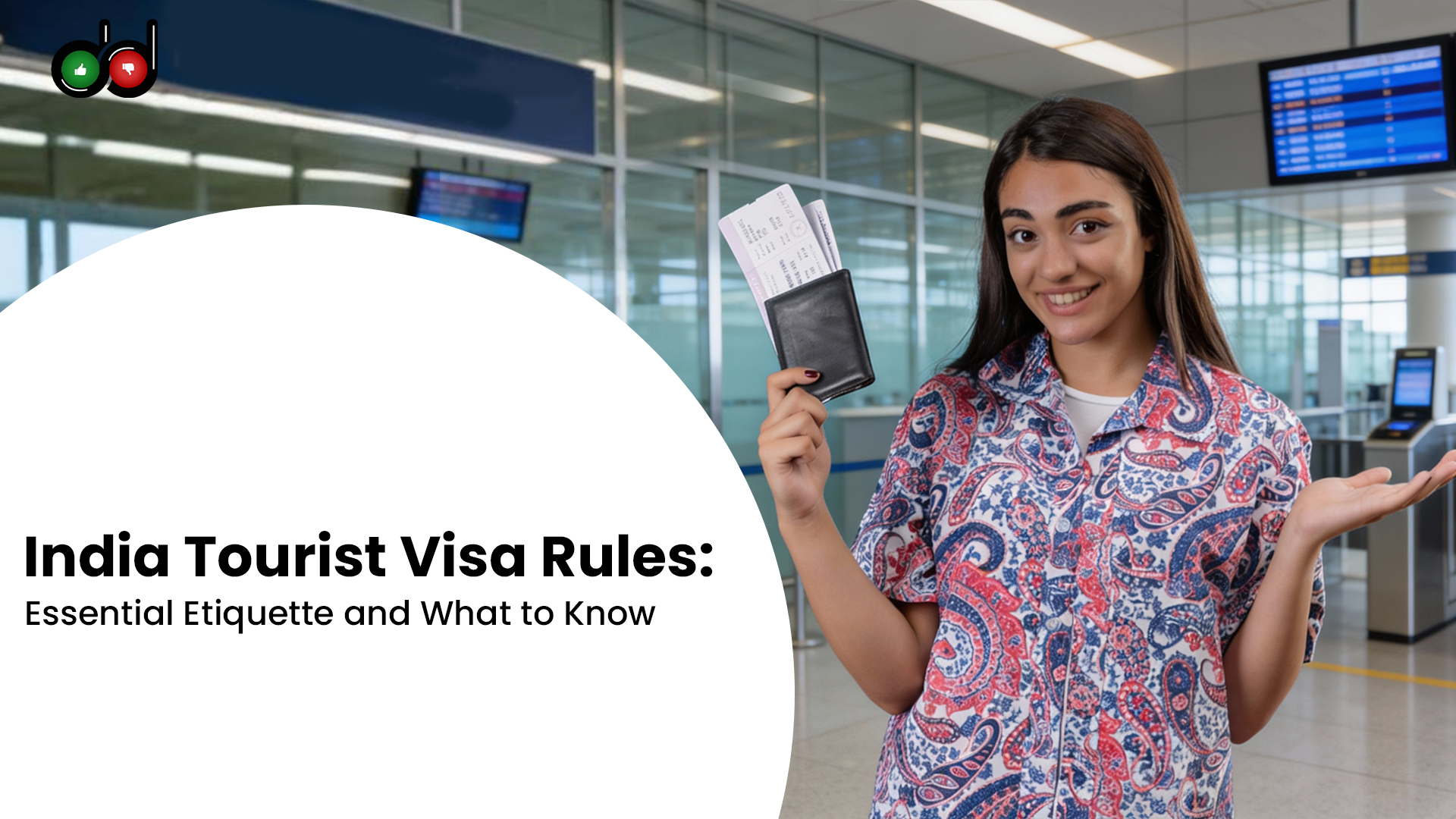
    Planning a trip to India soon? You must follow the latest India tourist visa rules to avoid entry problems. Most visitors use the digital system now, but tiny mistakes cause rejections. Knowing the e-visa requirements for India enforces keeping your plans on track. 

    Beyond the paperwork, you should learn the cultural etiquette for foreign travellers to build better local connections. India treats guests like gods, yet you must still respect Indian greetings and social norms. Understanding the India tourist visa rules helps you stay legal. 

    These India tourist visa rules ensure your trip stays on schedule. This guide explains the India tourist visa 2025 requirements so you can focus on your journey. Let’s look at the steps for a successful visit.

    Part 1: India E-Visa Rules – 2025 Updates & Requirements

    Indian authorities updated the India tourist visa rules to simplify trips this year. Following the e-visa requirements for India sets ensures you don’t face border delays. Learning the cultural etiquette for foreign travellers also helps you prepare for local life.

    1. Choosing Your Category

    The India tourist visa rules offer 30-day, 1-year, and 5-year stays. If you come from the UK or USA, you can stay for 180 days straight. Others must leave after 90 days. This is a top point in the India tourist visa 2025 requirements.

    2. The Zero-Rejection Document Checklist

    The e-visa application process for India now relies on AI screening. Use this visa fees and documents checklist to stay safe:

    • The PDF Merge Rule: Merge your passport bio page and address page into one PDF. This is a major part of India’s tourist visa rules.
    • Photo Standards: Upload a square 400×400 pixel photo without glasses.
    • Passport Rules: Meet the passport validity requirements for India by having six months left from your departure date.

    The tourist visa processing timeline takes four days. Following these India tourist visa rules gets you ready for your trip. Next, we cover how to visit temples respectfully.

    Part 2: Religious Site Etiquette: Temple Conduct and Sacred Boundaries
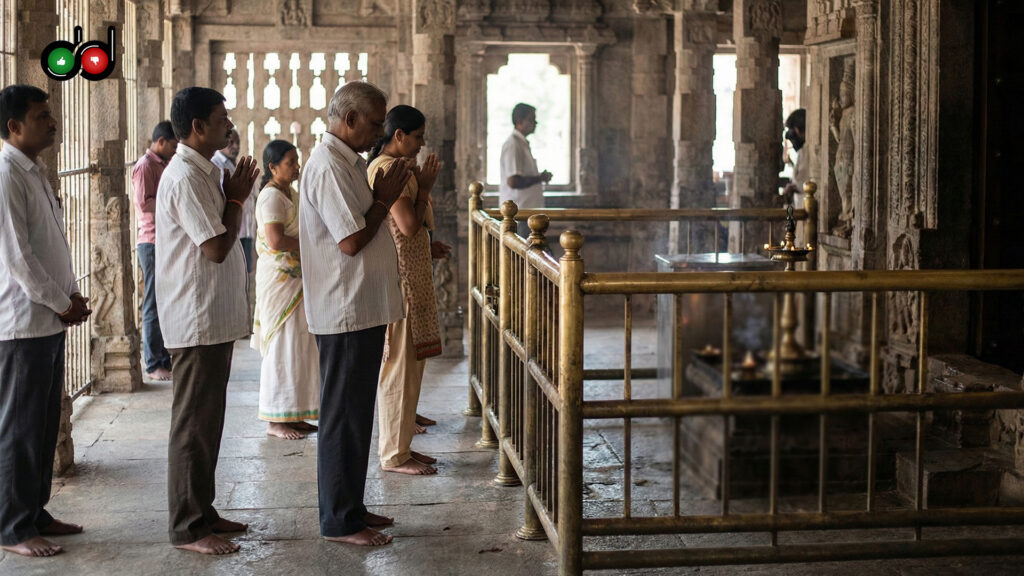
    Religious Site Etiquette

    Visiting spiritual spaces is a major part of your trip. Following India’s tourist visa rules keeps you out of legal trouble, but respecting local faith makes your visit better. Most holy sites expect you to follow India’s temple dress code rules strictly to show you value their traditions.

    1. Clothing and Sacred Items

    When you enter a Hindu temple or Sikh shrine (Gurdwara), follow the temple footwear removal protocol.

    • The Leather Rule: Leave leather belts and bags behind. Many faiths view animal hide as impure or violent, which disrupts the sanctity of the shrine.
    • Sikh Gurdwaras: You must cover your head with a scarf or handkerchief to show honour.
    • Modesty: Keep shoulders and knees covered to avoid causing offence to worshippers.

    2. Proper Social Conduct

    Following cultural etiquette for foreign travellers involves your physical actions.

    • Photos: Obey religious site photography restrictions in inner rooms where deities are kept.
    • Gifts: Use right-hand eating customs and Indian logic by only using your right hand to accept blessed food.

    Respecting India’s tourist visa rules makes locals feel valued and welcome. Now let’s look at daily social habits.

    Part 3: Social Etiquette & Daily Conduct: Respectful Interactions

    Social Etiquette & Daily Conduct

    Integrating into local life requires more than just knowing India tourist visa rules. Mastering cultural etiquette for foreign travellers helps you build genuine rapport with people you meet. By following Indian greetings and social norms, you show that you value the local way of life.

    Greetings and Physical Space

    How you carry yourself matters as much as your paperwork. Follow these India tourist visa rules for social success:

    • The Namaste: Skip the handshake and use the folded-hands gesture. It is the most respectful way to say hello.
    • Personal Space: Avoid touching someone’s head or pointing your feet at people, as these acts signal a lack of respect.
    • Public Decorum: Follow public behaviour etiquette in India by avoiding physical affection like kissing in public.

    Dining and Giving

    Eating is a communal event where right-hand eating customs in India are strictly observed.

    • The Right Hand: Use your right hand for eating, paying for goods, or passing items to others.
    • Dining Hygiene: Wash your hands before and after meals. If you are a guest, bringing a small snack or sweets is a polite way to show gratitude.

    Understanding foreign cultural mistakes to avoid ensures your visit stays positive. These India tourist visa rules for conduct make you a welcome guest. Next, we will cover the legal rules you must follow during your stay.

    Legal Restrictions & Behaviour Rules

    Staying within the India tourist visa rules protects you from serious Staying within the India tourist visa rules protects you from serious legal trouble. The government enforces tourist behaviour regulations in India strictly to maintain security. Breaking these India tourist visa rules can lead to heavy fines or deportation.

    1. Restricted Zones and Photography

    Certain parts of the country require a “Protected Area Permit” (PAP).

    • Border Areas: Stay away from military sites and borders in Jammu & Kashmir or Rajasthan.
    • Sensitive Sites: Obey religious site photography restrictions and avoid filming airports or government buildings.
    • Drones: Foreigners cannot fly drones without a local partner. Following India’s tourist visa rules means keeping your drone at home.

    “I once saw a tourist launch a tiny ‘nano’ drone to take photos of a historic fort, thinking it was just a toy. Within minutes, police arrived and seized the device. In India, the India tourist visa rules for 2025 strictly ban foreigners from flying drones without local partners and complex permits. This simple mistake led to a ₹50,000 ($560) fine and a ruined holiday.”

    Always check traveller conduct rules in India on dos and don’ts for gadgets before you pack.

    2. Substance Laws and Conduct

    India has zero tolerance for illegal drugs.

    • Narcotics: Possession leads to long jail terms under India tourist visa rules.
    • Respect Local Laws: Stiff penalties exist for overstaying your visa. Meeting the India tourist visa 2025 requirements is your responsibility.

    Always follow traveller conduct rules and India guidelines to ensure a safe trip. These India tourist visa rules keep you safe. Next, we provide a quick tool to help you stay compliant.

    Quick-Glance Guide: India Tourist Visa Rules & Etiquette 2026
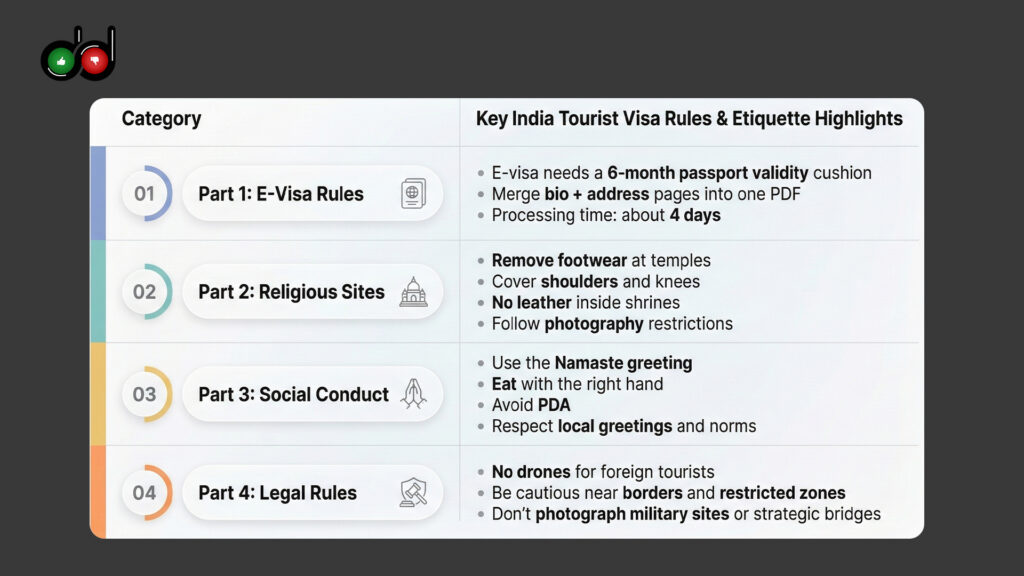
    India Tourist Visa Rules & Etiquette

    How Dos and Don’ts Help You Navigate India Tourist Visa Rules

    While traditional platforms focus on opinions, Dos and Don’ts provide objective guidelines for India tourist visa rules. We bridge the gap regarding local norms to ensure a respectful experience.

    Key Features for Visiting with Confidence:

    • Verified Rule Sets: Access factual India tourist visa 2025 requirements and dress codes.
    • Structured Info: Get easy-to-read, bulleted e-visa requirements for India guides.
    • Universal Coverage: Guidelines for landmarks, offices, and shrines.
    • Stress Savings: Avoid social friction by knowing expectations in advance.
    • Cultural Intelligence: Respect local traditions easily.

    Explore how Dos and Don’ts simplify India tourist visa rules for your visit → Dos and Don’ts.

    Conclusion 

    Following India’s tourist visa rules is mandatory for your 2025 trip. Many travellers struggle with complex e-visa requirements and India updates, like merging PDF files or meeting passport standards.

    Beyond paperwork, failing to follow cultural etiquette for foreign travellers creates massive friction. One wrong move at a temple or a simple visa error leads to immediate deportation, heavy fines, or being blacklisted forever. You don’t want your dream holiday to end in a police station or an airport holding cell because you ignored India’s tourist visa rules. 

    To avoid these disasters, use Dos and Don’ts. It provides factual steps to master India tourist visa rules and local norms, keeping your journey safe and respectful.

    FAQs

    Q1. What is the top reason e-visa applications get rejected in 2025?

    Most rejections happen because applicants ignore India tourist visa rules regarding PDF merging. You must combine your passport bio page and address page into one file for the e-visa application process India requires. Failing this violates the visa fees and documents checklist.

    Q2. Does my passport need six months of validity from arrival or departure?

    Under the India tourist visa 2025 requirements, your passport validity requirements for India mandate a six-month cushion beyond your departure date. Ensure you have two blank pages for stamps to stay compliant with India tourist visa rules and avoid being denied entry.

    Q3. Can I enter India via a land border using an e-visa?

    No. Current India tourist visa rules restrict e-visa entry to 32 airports and 6 seaports. Entering from Nepal by land on an e-visa violates tourist behaviour regulations and Indian laws. Follow the e-visa requirements for India to ensure legal entry.

    Q4. Are non-Hindu visitors allowed to enter all Indian temples?

    Many sites follow India’s temple dress code rules and restrict non-Hindus past the flagpole. Following cultural etiquette for foreign travellers means checking for religious site photography restrictions. Always use right-hand eating customs and Indian logic when accepting prasad at any sacred shrine.

    Q5. What should I do if I accidentally offend a local?

    Apologise immediately if you miss India’s greetings and social norms. Most locals forgive foreign cultural mistakes if you show humility. Respecting public behaviour etiquette India and Indian tourist visa rules ensure your journey remains peaceful and culturally respectful.
    Leave a Reply

    Your email address will not be published. Required fields are marked *

  • Airport Security Check Rules in India: Liquids, Electronics, and ID Checklist

    Airport Security Check Rules in India: Liquids, Electronics, and ID Checklist

    Indian aviation is growing fast with 412 million yearly passengers. Busy terminals mean strict enforcement. You must follow the airport security check rules in India to avoid long lines. 

    This guide helps you understand airport liquid rules in India and electronics carry-on baggage restrictions clearly. Knowing these Indian airport security regulations allows you to pass the CISF airport security screening in ten minutes. 

    Smart travelers master airport security check rules in India before arriving. Follow the latest hand baggage allowance India tips and BCAS airport rules to fly without stress.

    The 100 ml Liquid Rule: What’s Allowed?

    Sorting your liquids before reaching the terminal keeps you from losing items at the bin. You must follow the airport security check rules in India to ensure a fast airport screening process in India.

    A) Mastering the 100 ml Limit: Every container in your bag must be 100 ml or less. Even if a large bottle is nearly empty, CISF airport security will toss it. You must pack all your bottles in a single, clear, one-liter bag. These Indian airport security regulations match the global TSA liquid limit of the 100 ml standard.

    B) Spotting Hidden Liquids: Many travelers miss common items that fall under airport liquid rules in India. If you can spread, squeeze, or pour an item, treat it as a liquid. In 2026, BCAS airport rules still restrict semi-solids like honey, ghee, and even frozen coconut oil.

    C) Exceptions for Essentials: You can carry larger amounts of baby milk or liquid medicines if you have a valid doctor’s prescription. Currently, airport security check rules in India still allow hand sanitizer up to 350 ml.

    Following these airport security check rules, India prevents the most common delays. Once you organize your liquids, you can focus on meeting the electronics carry-on baggage restrictions.

    Electronics: The “Carry-on Only” vs. “Banned” List

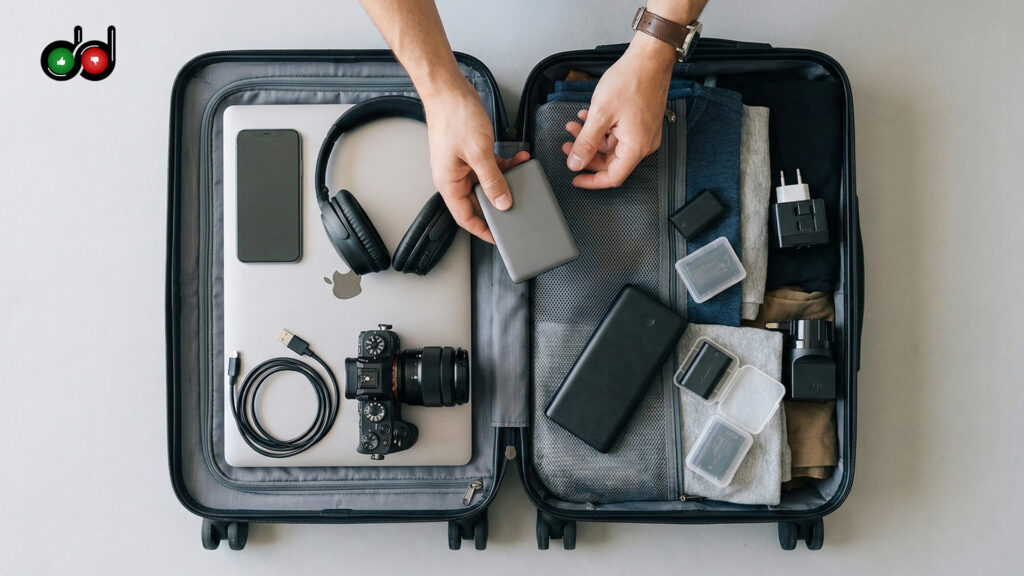
    electronics carry on baggage restrictions

    Smart travelers know that gadgets cause the most bag searches. Smart travelers know that gadgets cause the most bag searches. Understanding electronics carry-on baggage restrictions saves you from repacking your bags at the x-ray machine.

    1. Laptop and Tablet Rules

    You must remove laptops, tablets, and large cameras from your bag during the airport screening process in India. Place these devices in a separate tray so CISF airport security can view them clearly. 

    While major hubs are testing scanners that let electronics stay inside, the standard airport security check rules in India still require removal. Follow laptop carry-on rules by keeping your devices easily accessible.

    2. Power Bank and Battery Policies

    Lithium batteries are a fire hazard in the cargo hold. You must carry all power banks in your hand luggage. Under airport security check rules in india, the standard limit is 100 Wh (approx. 27,000 mAh).

    • Power bank carry-on rules apply to all spare lithium-ion batteries.
    • Units between 100 Wh and 160 Wh require prior airline approval.
    • Anything above 160 Wh is strictly prohibited.

    3. Forbidden Tech

    India maintains a zero-tolerance ban on e-cigarettes and vapes. CISF airport security will confiscate these from any baggage. You also cannot carry satellite phones without a license. Ensure drones are registered to follow BCAS airport rules.

    Following airport security check rules in India for gadgets prevents delays. Once your gear is safe, ensure your identity papers are ready.

    Getting your tech right helps you clear CISF airport security quickly. Next, you must verify your ID documents are valid for travel.

    ID Requirements: Physical vs. Digital

    ID Requirements

    Starting your trip with the right documents prevents rejection at the terminal gate. You must follow airport security check rules in India to ensure your identity matches your booking.

    Accepted Domestic Identification For travel within the country, BCAS airport rules accept several government-issued documents:

    • Aadhaar ID airport security checks (physical or PVC).
    • Original Passport, Voter ID, or PAN Card.
    • Driving licenses and student IDs from recognized institutions.

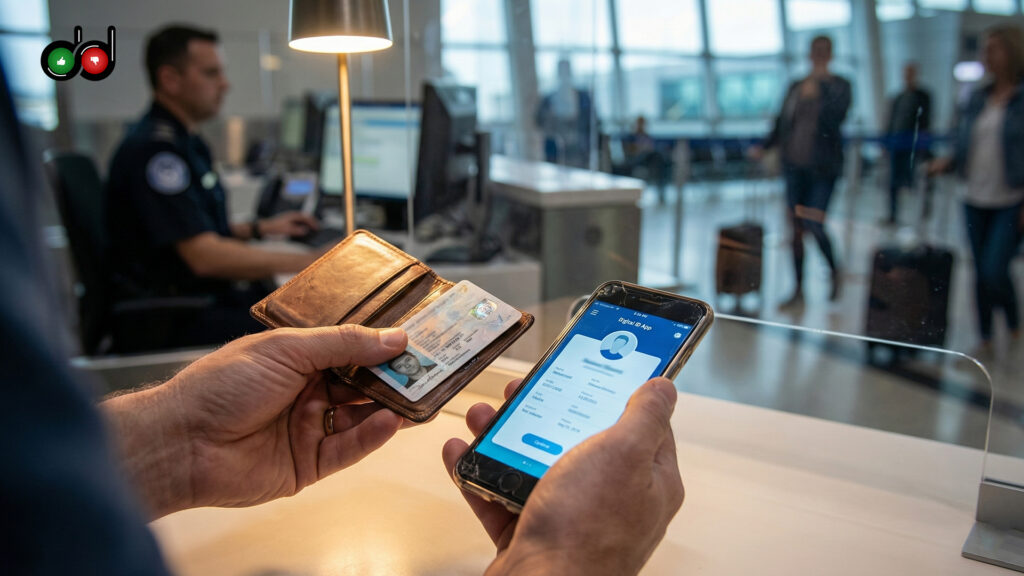
    The Digital Shift You can now skip physical cards. Indian airport security regulations accept DigiLocker digital IDs at airports as official proof. However, a screenshot of your ID is not valid. For a paperless experience, use the DigiYatra app. This biometric system uses facial recognition to help you pass CISF airport security faster.

    Ensure the name on your ticket matches your ID exactly. International travelers must still carry a physical passport. Valid paperwork gets you inside. Your bag size then determines if you reach the plane.

    Next, you should verify your suitcase meets hand baggage allowance India limits.

    Hand Baggage: Weight & Dimensions (2026 Update)

    Hand Baggage weight rules

    Managing your luggage size is vital to avoid extra fees at the Managing your luggage size is vital to avoid extra fees at the boarding gate. Most Indian airlines now follow the strict BCAS airport rules to reduce cabin crowding.

    • The One-Bag Policy: You can carry only one main cabin bag plus one small personal item, like a laptop bag or a purse.
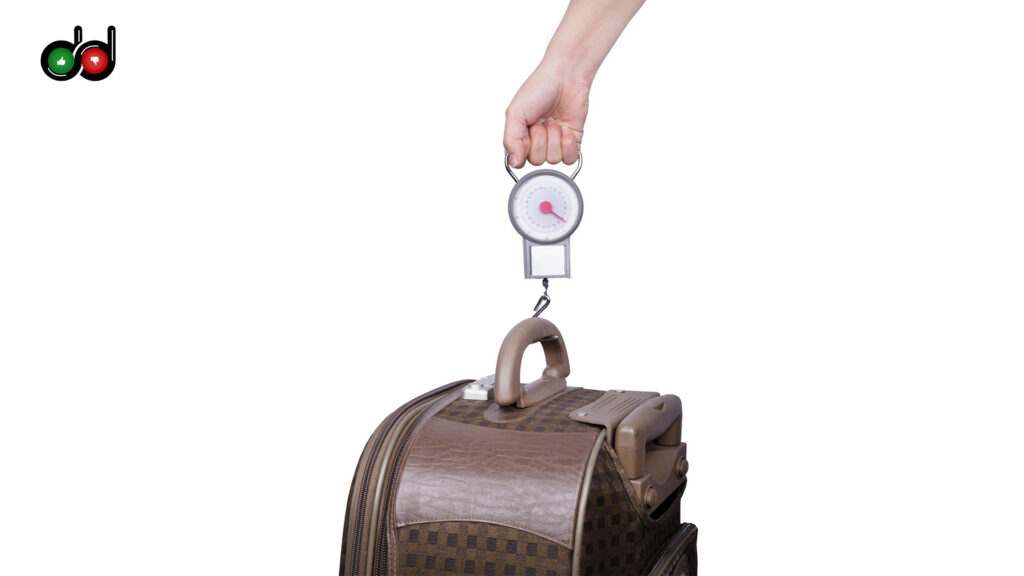
    • Standard Weight: The cabin baggage weight limit for economy is 7 kg on most airlines, though Air India often allows up to 8 kg. Always check your ticket to confirm.
    • Dimensions: Your bag should not exceed 55 cm x 35 cm x 25 cm. This includes wheels and handles.
    • Smart Luggage: If your bag has built-in chargers, the battery must be removable. You cannot fly with non-removable lithium batteries in any luggage.

    Staying within the hand baggage allowance in India prevents last-minute stress. Once your bag meets these size rules, ensure you aren’t carrying any forbidden items that could cause trouble during the airport screening process in India.

    “I once saw a traveler try to dodge the 7 kg limit by wearing four sweaters and stuffing power banks into every pocket. He looked like a giant, tech-heavy marshmallow! Because he ignored the hand baggage allowance in India, CISF airport security flagged him for a manual pat-down. The “clothing mountain” failed, and he still had to pay for the extra weight—all while sweating through four layers of wool.”

    How Do “Dos and Don’ts” Make Traveling at the Airport Easier?

    Dos and Don’ts provides objective, location-specific guidelines for airport security check rules in India. We bridge the information gap regarding local regulations to ensure a smoother terminal experience. Mastering airport security check rules in India keeps you moving through gates with confidence.

    Our Key Features for Travel:

    • Verified Rule Sets: Factual updates on airport liquid rules in India eliminate guesswork.
    • Structured Info: Quick-read guides on electronics carry-on baggage restrictions save time.
    • Universal Coverage: Reliable guidance for every major Indian flight hub.

    Our platform transforms how you plan visits. We provide the clarity you need to travel without friction. Explore how Dos and Don’ts simplify travel → Dos and Don’ts.

    Conclusion

    Forgetting airport security check rules in India leads to chaos at the scanner. You might miss your flight while arguing over a perfume bottle or a power bank. 

    CISF airport security strictly enforces airport liquid rules in India, and violations can lead to heavy fines or missed departures. Don’t risk your vacation or your wallet due to a simple packing error. 

    Instead, use Dos and Don’ts to stay prepared. Our platform provides the exact electronics carry-on baggage restrictions you need for a stress-free trip. Travel with confidence by following our verified guides.

    FAQs

    1. Can I carry a power bank in my checked bag? 

    No. Under Indian airport security regulations, power banks must stay in your cabin bag. Power bank carry-on rules forbid lithium batteries in the cargo hold due to fire risks. Carry them safely to pass the airport screening process in India without delays.

    2. Is a digital photo of my Aadhaar card enough for airport entry? 

    No, gallery photos are not valid. For airport security checks in India, use physical cards or the DigiLocker digital ID airports app. This digital proof satisfies CISF airport security and BCAS airport rules, ensuring a fast entry into the flight terminal.

    3. How do I carry liquid medication over 100 ml on a flight? 

    Yes. Indian airport security regulations allow liquid medicines over 100 ml if you have a valid doctor’s prescription. Declare these items to CISF airport security before the airport screening process in India. This keeps you compliant with BCAS airport rules during your flight.

    4. Are clarified butter (ghee) and coconut oils allowed in cabins? 

    No. Clarified butter, or ghee, is a flammable risk under BCAS airport rules. It is a prohibited item for airport security entry for cabins but allowed in checked bags. Pack it securely to avoid airport security violations and penalties on your next flight.

    5. Can I carry dry fruits or snacks on a domestic flight? 

    Yes. Solid snacks like dry fruits are permitted on flights. However, items like honey or pickles must follow airport liquid rules in India and the 100 ml limit. This ensures your hand baggage allowance in India meets all Indian airport security regulations perfectly.

    Leave a Reply

    Your email address will not be published. Required fields are marked *