India draws millions of photographers every year. Photography in IIndia draws millions of photographers every year. Photography in India feels effortless until security stops you. Cameras get blocked, phones get sealed, and gear gets taken away. Photography in India changed fast during 2024 and 2025, with tighter checks at temples and heritage sites. You need clear rules before you press the shutter.
This guide explains photography in India without fluff. You will learn monument photography rules, temple camera restrictions, and equipment limits that matter right now.
The focus stays on real locations like the Taj Mahal, major temples, and public landmarks. You will know where photos are allowed, where they trigger trouble, and how to shoot without fines or confrontation. Read this before you pack your camera.
The Taj Mahal 2026 Photography Zones
The Taj Mahal sits at the centre of photography in India, yet many visitors still violate rules without knowing it. Clear zoning decides where cameras stay active and where they stop under current monument photography rules.
1. The Yes Zone
Photography is allowed in outdoor areas only.
- Charbagh gardens
- Reflecting pools
- Main entrance gate
- Open courtyards
These are officially approved photography areas under photography rules in India. Handheld cameras work best here.
2. The No Zone
Photography stops inside the mausoleum.
- Tomb chamber
- Cenotaph platform
- Inner marble halls
These Taj Mahal photography restrictions are enforced strictly. Security checks screens and memory cards.
3. Pro Tip: Golden Hour
Shoot between 6:00 AM and 7:30 AM.
- Soft marble tones
- Controlled crowds
- Better exposure
Tripods are flagged as photography equipment restrictions, so keep gear simple during photography in India visits.
Temple Restrictions Protecting the Sacred
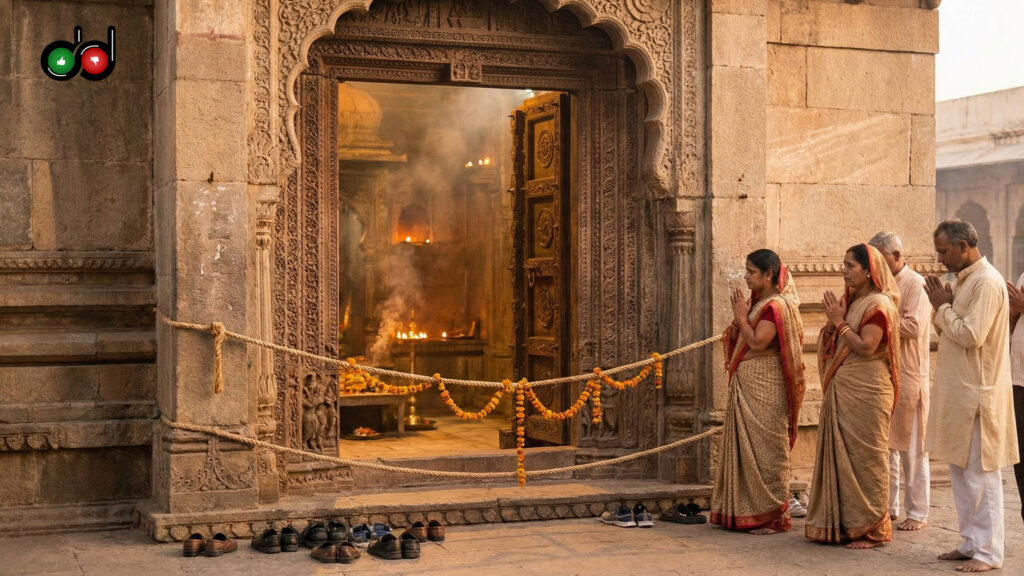
Temple rules play a central role in photography in India. Religious Temple rules play a central role in photography in India. Religious spaces treat cameras as interruptions, not accessories. Security teams enforce temple camera restrictions firmly.
1. The General Rule
Photography always stops at the inner sanctum.
- The Garbhagriha (inner sanctum where the deity is placed) never allows cameras.
- Deity-facing areas stay restricted
- Flash photography rules apply even in outer halls.
- Phones often get sealed or deposited at entry.
These norms apply across photography-allowed Indian temples. When signs are missing, ask temple staff before taking photos.
2. The 2025 Influencer Ban
Several temples tightened rules in 2025.
- The Golden Temple photography ban now blocks video across the complex.
- Still photos remain limited to outer courtyards.
- Kashi Vishwanath bans phones inside temple halls
- Lalitha Ghat corridor allows legal exterior shots
These changes address misuse tied to social media under temple photography etiquette.
3. Temple Etiquette
Follow conduct before photography.
- Cover shoulders and knees
- Remove footwear before entry
- Keep phones silent
- Avoid blocking devotees.
Respect protects access and supports responsible photography in India.
Photography Equipment Restrictions You Must Know
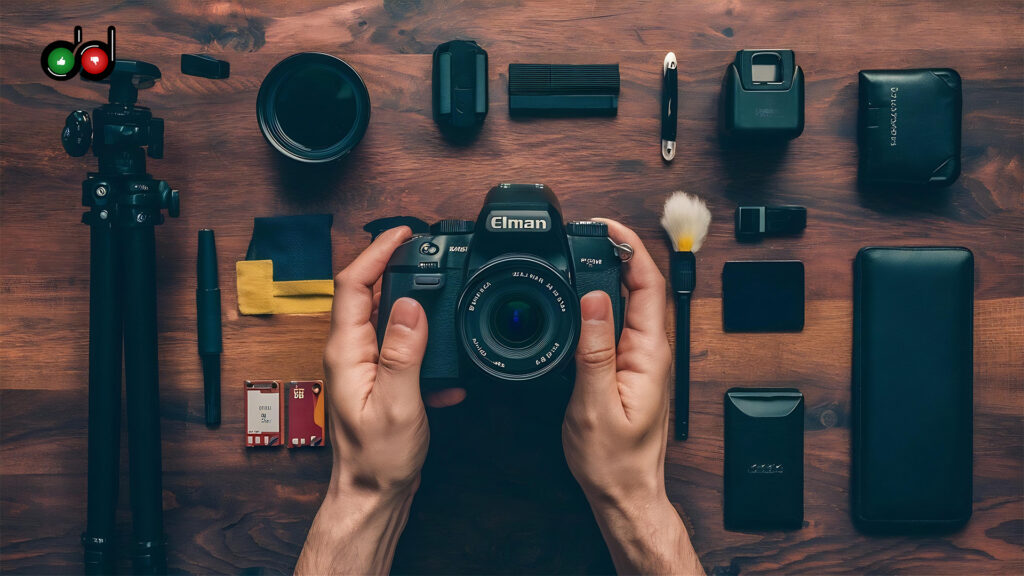
Gear choice decides how smoothly photography in India goes. Gear choice decides how smoothly photography in India goes. Security teams judge intent by equipment, not behaviour. Carrying the wrong tools triggers checks under monument photography rules.
1. Allowed Personal Use
Personal gear passes security in most locations.
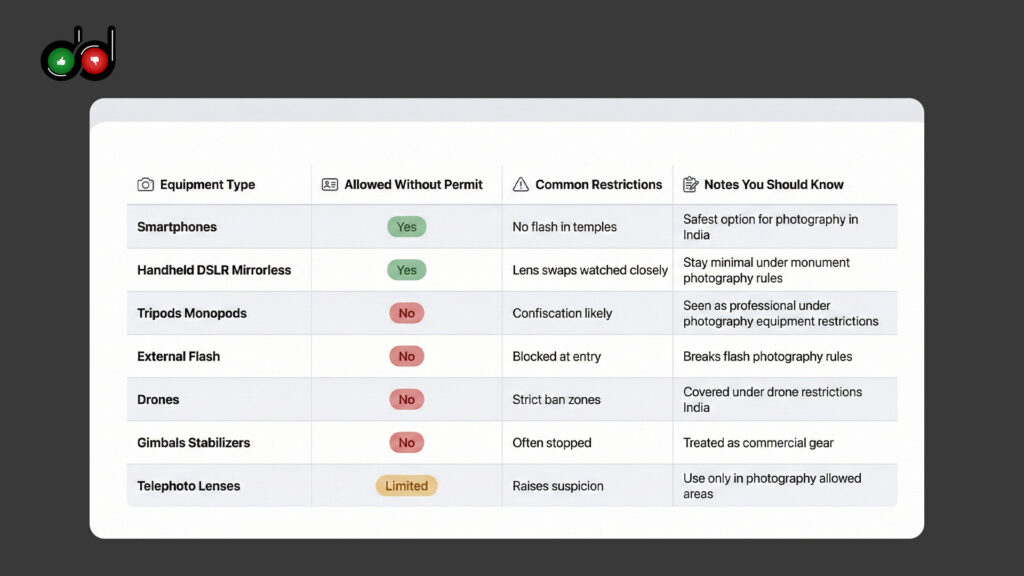
- Smartphones and iPhones
- Handheld DSLRs or mirrorless cameras
- Small prime or kit lenses
- One camera body per person
These items fit personal use standards under photography in India and work across most photography-allowed areas. Keep cameras visible during checks to avoid delays.
2. Banned Without Permit
Certain gear signals professional intent.
- Drones fall under strict drone restrictions in Indian laws.
- Tripods and monopods get flagged as professional
- Gimbals and stabilisers attract scrutiny
- External flashes break flash photography rules.
Security enforces photography equipment restrictions aggressively. Violations lead to deposits or removal from the site. Pack light. Minimal gear keeps photography in India simple and stress-free.
Quick Photography Equipment Rules Snapshot:
The India Gate 2025 Security Shift
India Gate remains a popular stop for photography in India, yet rules tightened during mid-2025 following recent Delhi blast incidents and related security alerts.
Police teams now judge intent based on gear size and shooting behaviour under updated India Gate photography rules.
1. New Security Protocols
Security checks focus on setup visibility.
- Large camera bags attract screening
- Lens changes raise questions.
- Multiple accessories signal professional intent.
- Officers may ask photographers to move.
These actions follow broader monument photography rules used across Delhi landmarks.
2. The Workaround
You can still shoot without trouble.
- Smartphones remain fully allowed.
- Handheld cameras pass when kept simple
- One lens avoids attention
- Stay within open public walkways
Following these steps keeps photography in India smooth and prevents delays or forced exits at India Gate.
Professional Permits and Fees
Paid shoots follow separate rules under photography in India. Authorities treat any image linked to revenue as commercial, even when one person shoots with a single camera. These checks apply across protected sites under monument photography rules.
1. ASI Permit Rules
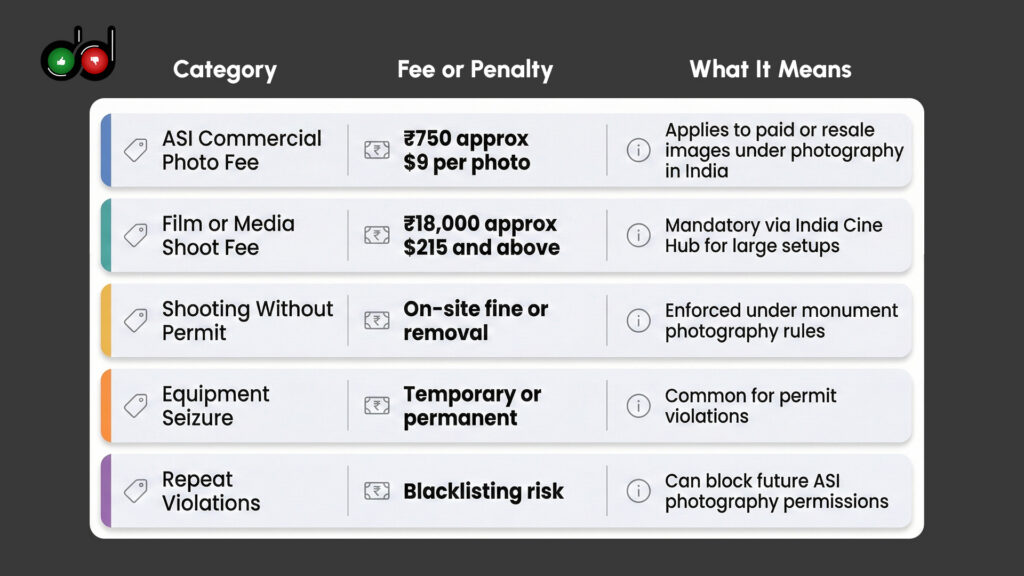
The Archaeological Survey of India controls most monuments used for photography in India. Commercial images require approval under ASI photography permissions. Fees start at ₹750 (about $9) per photograph and apply per monument and date. Security teams verify permits during entry and during active shooting. Selling images online still counts as commercial use.
2. Filming and Media Projects
Film crews and media teams must apply through the India Cine Hub portal. Processing fees start around ₹18,000 (about $215). Authorities require full disclosure of cameras and accessories under professional photography permits.
3. Timeline and Penalties
Apply at least 30 to 45 days early. Shooting without clearance leads to fines, removal, or gear seizure during photography in India visits.
Quick Fees and Penalties Overview:
How Dos and Don’ts Help You Avoid Penalties While Photographing in India
Dos and Don’ts helps you stay compliant during photography in India by sharing clear, location-specific guidance instead of opinions. It focuses on real monument photography rules and temple camera restrictions that security teams enforce daily.
How it helps:
- Verified rules for entry, dress codes, and equipment used in photography in India
- Simple bullet-based guidance for quick reference on-site
- Coverage across temples, monuments, public spaces, and restricted areas
- Reduced risk of fines, photo deletion, or gear seizure
- Better awareness of temple photography etiquette and conduct
This approach keeps photography in India respectful, predictable, and penalty-free. Explore dos and don’ts to follow the right rules before you take the shot.
Conclusion
Photography trips often fail during photography in India because rules change by location, signage stays unclear, and enforcement varies by officer. Many people break monument photography rules or temple camera restrictions without intent.
Phones get sealed. Photos get deleted. Gear gets confiscated. In serious cases, security escorts visitors out or issues fines. One mistake can ruin an entire visit and block future access during photography in India.
Dos and Don’ts help reduce that risk. It offers clear, location-based guidance so you know where photography is allowed, where it stops, and how to act before trouble starts.
FAQs
1. Is photography in India allowed everywhere?
No. Photography in India depends on location. Many monuments follow strict monument photography rules, and most temples enforce temple camera restrictions. Inner sanctum areas stay restricted, flash photography rules apply, and security decides access. Always confirm photography-allowed areas before shooting to avoid deletion or fines.
2. What are the Taj Mahal photography restrictions in 2025?
Taj Mahal photography restrictions allow photos only in outdoor zones like gardens and courtyards. Photography inside the mausoleum remains banned. Tripods are not allowed, flash photography rules apply, and security checks devices. These rules fall under official monument camera rules 2025, enforced daily.
3. Is photography allowed inside Indian temples?
Most temples ban photography near the deity area under sanctum photography prohibited rules. Some outer courtyards permit photos. Temple photography etiquette expects silence, covered clothing, and no flash. Photography allowed in Indian temples varies by site, so ask staff before lifting your camera.
4. Are drones legal for photography in India?
Drone use falls under strict drone restrictions in Indian laws. Most monuments and public landmarks remain no-fly zones. Flying without permission leads to confiscation and legal action. Only approved operators with Digital Sky clearance may fly drones outside restricted zones under professional photography permits.
5. Do I need a permit for professional photography in India?
Yes. Selling images or shooting for brands requires professional photography permits. ASI sites demand approval under ASI photography permissions. Fees apply per monument and date. Shooting without permits leads to fines or gear seizure under photography equipment restrictions during photography in India.
6. What happens if I break photography rules accidentally?
Security usually asks you to delete images immediately. Repeated violations lead to removal, fines, or confiscation. Breaking monument photography rules or temple camera restrictions can block future entry. Staying informed about photography rules in India lowers risk and protects your equipment.
Leave a Reply