Category: Travel

  • Cherry Blossom Festival Japan: Hanami Dos & Don’ts

    Cherry Blossom Festival Japan: Hanami Dos & Don’ts

    Every culture celebrates nature in its own beautiful way. Japan’s Cherry Blossom Festival, known as Hanami, is one of the world’s most admired spring traditions. But enjoying this breathtaking spectacle comes with its own etiquette. Understanding the dos and don’ts of Hanami helps visitors appreciate the blossoms while respecting Japanese culture and the environment.

    🌸 Cherry Blossom Festival in Japan: Beauty, Tradition, and the Dos & Don’ts of Hanami

    Every spring, Japan transforms into a breathtaking canvas of soft pink and white as Sakura (cherry blossoms) bloom across the country. From Tokyo’s bustling parks to Kyoto’s serene temples, millions gather under these delicate flowers to celebrate Hanami — the centuries-old tradition of appreciating the fleeting beauty of cherry blossoms.

    But the Cherry Blossom Festival is more than just a picturesque picnic. It reflects deeper cultural values: respect for nature, mindfulness, community celebration, and responsibility.

    At Dos and Donts.com we believe every experience becomes more meaningful when we understand the right way to enjoy it. Whether you’re traveling to Japan or celebrating spring anywhere in the world, here are the essential Dos and Don’ts of Cherry Blossom Festival celebrations.

    🌸 Understanding Hanami: A Celebration of Life’s Fleeting Beauty

    Hanami literally means “flower viewing.” For centuries, families, friends, and colleagues have gathered under blooming cherry trees to celebrate spring.

    The blossoms last only 7–10 days, reminding us of a powerful Japanese philosophy:

    Beauty is temporary — cherish the moment while it lasts.

    Hanami Festival

    🌸 When Does the Cherry Blossom Festival (Hanami) Happen in Japan?

    The Cherry Blossom Festival (Hanami) in Japan takes place during spring, when Sakura trees bloom across the country. Because Japan stretches from north to south, the blossoms appear at different times in different regions.

    🌸 Typical Cherry Blossom Season in Japan

    The peak viewing period, called “Sakura Full Bloom”, usually lasts about 7–10 days, making it a short but magical window to experience Hanami.
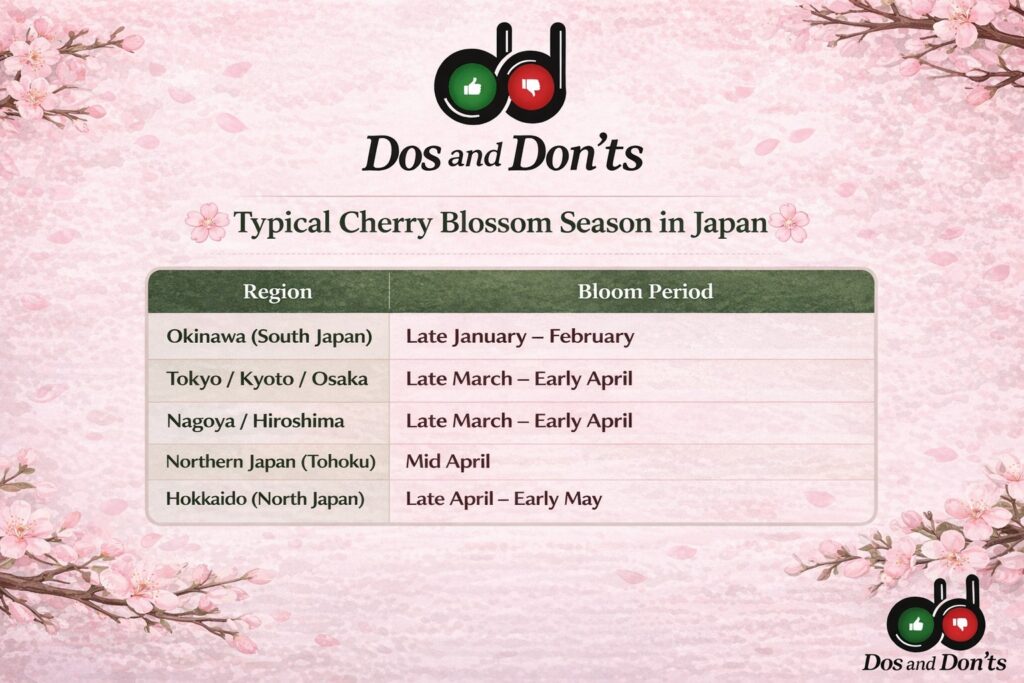
    Cherry Blossom Season - Japan

    🌸 Why the Timing Matters

    Japan even publishes official cherry blossom forecasts, known as the “Sakura Forecast”, which predicts when the blossoms will open in different cities. Locals and tourists use this forecast to plan their Hanami pics under the cherry blossom trees.

    Since the blossoms fall quickly, the festival beautifully reflects a core Japanese philosophy:

    Appreciate beauty while it lasts.

    🌸 Best Time for Visitors

    If you are planning to experience the Cherry Blossom Festival in Japan, the most popular travel window is:

    🌸 Last week of March to the first week of April

    During this time, cities like Tokyo, Kyoto, and Osaka are usually in full bloom.

    🌸 Dos and Don’ts of Cherry Blossom Festival (Hanami) in Japan
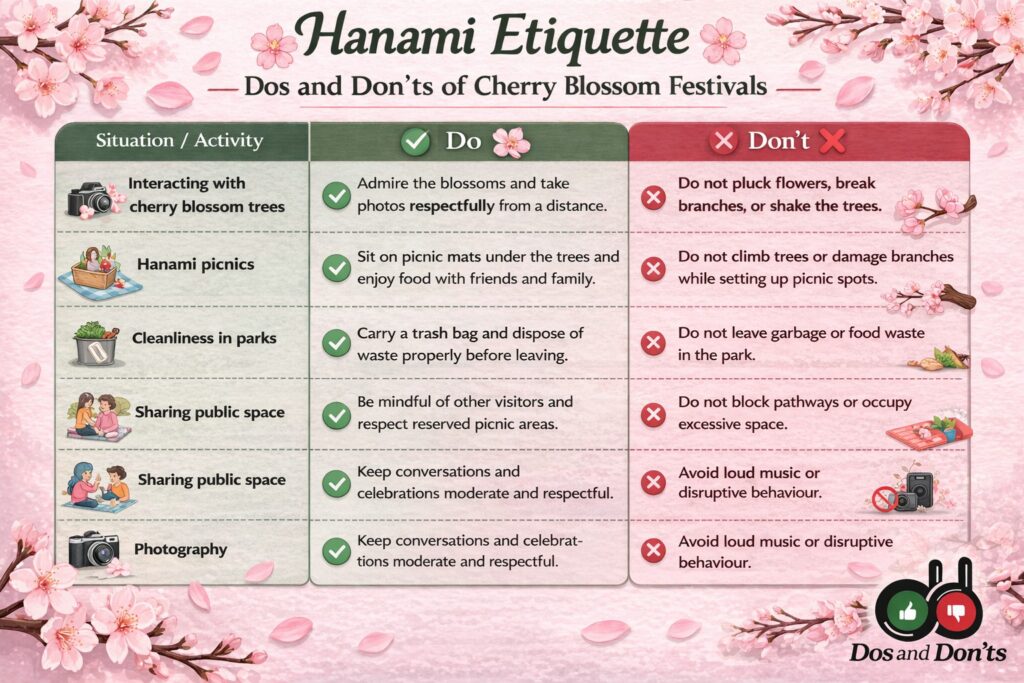
    Hanami Etiquette - Dos and Don'ts

    🌸 The Dos and Don’ts Philosophy

    Cherry blossoms teach us an important life lesson:

    Beauty is temporary. Respect makes it timeless.

    Whether it’s festivals, travel, public spaces, or everyday life, understanding the Dos and Don’ts helps create a world that is more respectful, safer, and more enjoyable for everyone.

    At Dos and Don’ts, our mission is simple:

    Celebrate life — responsibly and respectfully

    When you stand under a canopy of cherry blossoms and watch petals fall like pink snow, you realize something profound:

    Canopy of Cherry Blossom Flowers

    The moment is fleeting — but the experience stays forever.

    🌸 Conclusion

    The Cherry Blossom Festival in Japan is not just a visual spectacle—it is a cultural experience that celebrates the beauty and impermanence of life. The tradition of Hanami invites people to gather under blooming sakura trees, appreciate nature, and share moments of joy with family and friends. However, with millions of visitors participating each year, responsible behavior becomes essential. Understanding the dos and don’ts of Hanami—respecting the trees, maintaining cleanliness, and being considerate of fellow visitors—helps preserve this treasured tradition for generations to come. At Dos-and-Donts.com, we believe that every celebration becomes more meaningful when it is enjoyed with awareness, respect, and responsibility.

    🌸 Frequently Asked Questions (FAQs) about the Cherry Blossom Festival in Japan

    1. When does the Cherry Blossom Festival take place in Japan?

    The Cherry Blossom Festival, also known as Hanami, usually takes place during spring. In major cities like Tokyo, Kyoto, and Osaka, the blossoms typically bloom from late March to early April, although the timing varies depending on the region and weather conditions.


    2. What is Hanami?

    Hanami is the traditional Japanese practice of flower viewing, where people gather under cherry blossom trees to admire the beauty of the sakura. Families, friends, and colleagues often enjoy picnics, food, and celebrations during this time.


    3. How long do cherry blossoms last?

    Cherry blossoms usually remain in full bloom for only 7–10 days. Because the blooming period is short, many people follow cherry blossom forecasts to plan their Hanami gatherings.


    4. Why are cherry blossoms important in Japanese culture?

    Cherry blossoms symbolize the beauty and transience of life in Japanese culture. Their short blooming period reminds people to appreciate the present moment and the fleeting nature of life.


    5. What are the dos and don’ts of Hanami celebrations?

    Visitors are encouraged to respect the trees, keep parks clean, and share public spaces responsibly. Activities such as plucking flowers, shaking branches, or leaving garbage behind are discouraged to protect the trees and environment.


    6. Where are the best places to see cherry blossoms in Japan?

    Some of the most popular places include Tokyo (Ueno Park, Shinjuku Gyoen), Kyoto (Maruyama Park, Philosopher’s Path), Osaka Castle Park, and Mount Fuji’s Lake Kawaguchi area. These locations attract thousands of visitors during the cherry blossom season.

    8. How can tourists check the cherry blossom forecast in Japan?

    Japan releases a Sakura Forecast every year that predicts when cherry blossoms will bloom in different regions. Tourists often follow these forecasts to plan their travel and ensure they experience the blossoms at their peak.


    9. Is the Cherry Blossom Festival celebrated only in Japan?

    While Japan is the most famous destination for cherry blossom viewing, similar festivals are celebrated in many places around the world, including Washington D.C., Vancouver, Seoul, and Stockholm, where cherry trees bloom during spring.
    Leave a Reply

    Your email address will not be published. Required fields are marked *

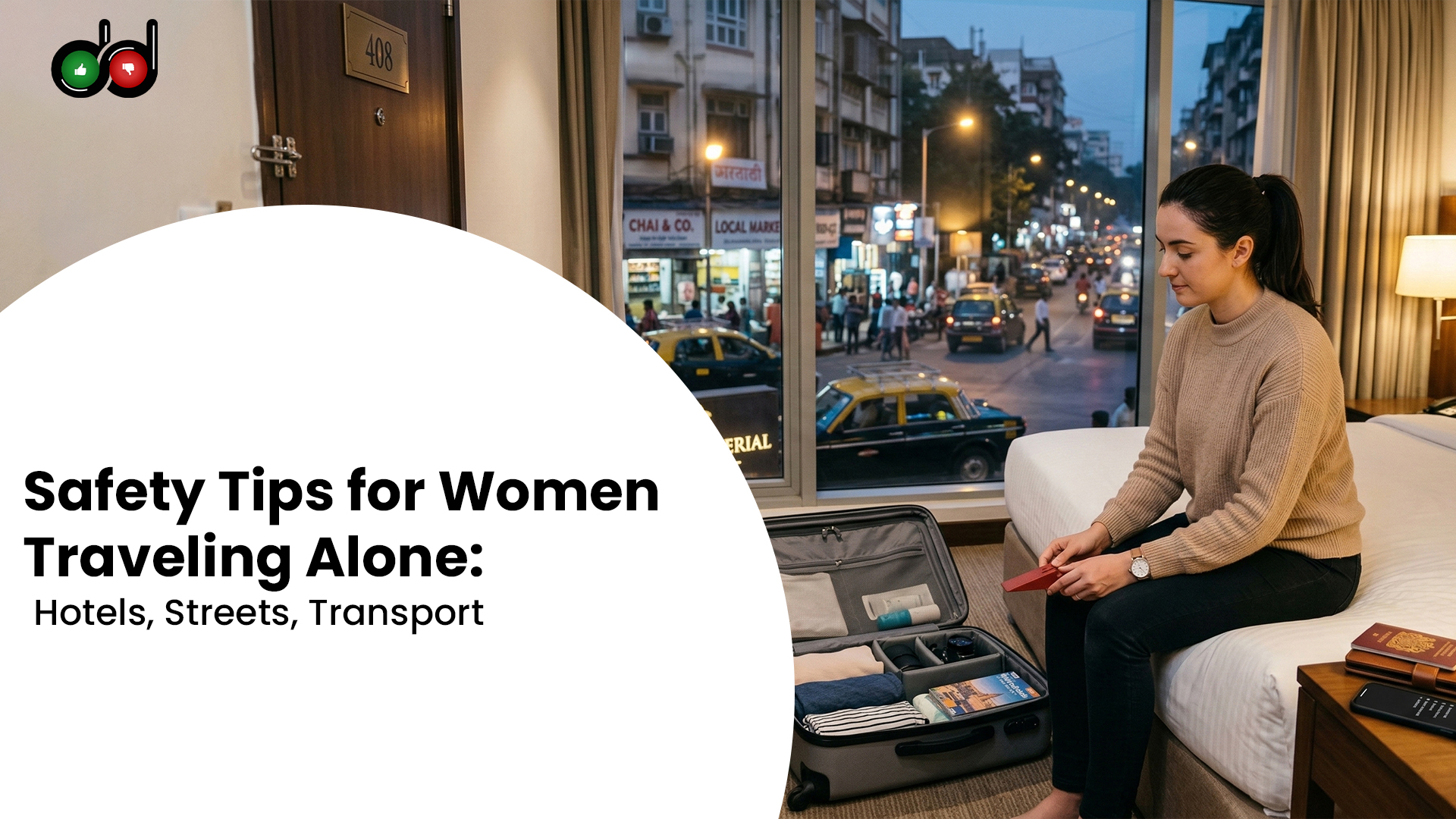
  • Safety Tips for Women Traveling Alone: Hotels, Streets, Transport

    Safety Tips for Women Traveling Alone: Hotels, Streets, Transport

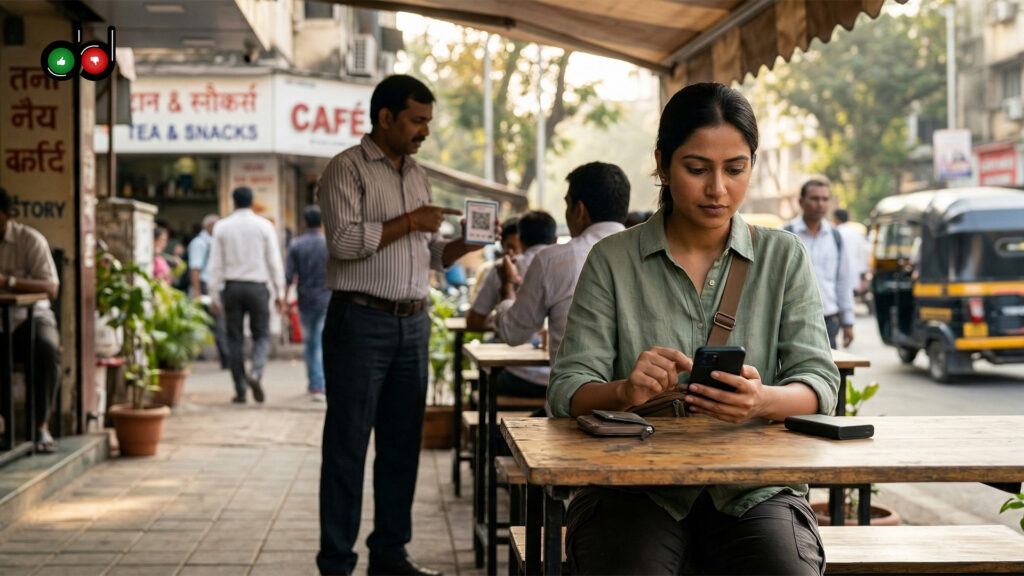
    More women visit India by themselves now. Recent data shows a 135% jump in solo trips. With 303 crore domestic visits recorded, you will encounter crowded stations and busy markets. 

    This guide offers safety tips for women traveling solo to stay in control. You need women travel safety tips for transit and solo female travel safety India advice for hotels. 

    Experts state: “Emergency Response Support System is a Pan India single number 112 based emergency response system.” Use women helpline 112 India and these safety tips for women traveling alone to keep your trip safe.

    Safety Tips for Women Traveling Alone at Hotels and Stays

    Your hotel is your home base. Choosing safe hotels for solo women means looking at security, not just the price. Many travelers now check hostel safety for women in India by picking chains with female-only dorms.

    Use these safety tips for women traveling alone to stay in control.

    A) Book the Stay With a Safety Filter, Not a Price Filter

    Pick properties with controlled entry and a staffed reception at night. Look for working CCTV at the entry and a clear check-in process. Choose neighborhoods with easy access to main roads. These women’s travel safety tips help you stay visible. Always prioritize safety tips for women traveling alone when booking.

    B) The Room Assignment You Should Ask For

    Ask for mid-floor rooms with quick access to the lift and reception. Avoid ground floor, terrace level, or end-of-corridor rooms. Request a room change immediately if the corridor lighting is poor or the lock feels weak. These solo female travel safety steps for India reduce your risk.

    C) Check In and Lobby Behavior That Reduces Exposure

    Keep answers short and neutral. Avoid sharing your solo status. Do not say your room number out loud; ask staff to write it. If strangers start personal conversations, use a polite exit line. Use safety tips for women traveling alone to protect your privacy.

    D) In Room Setup in the First 3 Minutes

    Test the deadbolt and latch. Keep a door wedge for extra security. Hide one set of ID and cash separate from your main wallet. Keep the hotel address as a screenshot. These women travel safety tips ensure you stay ready. Remember these safety tips for women traveling alone for every stay.

    Securing your room is the first step. Next, let’s discuss how to stay safe in public spaces.

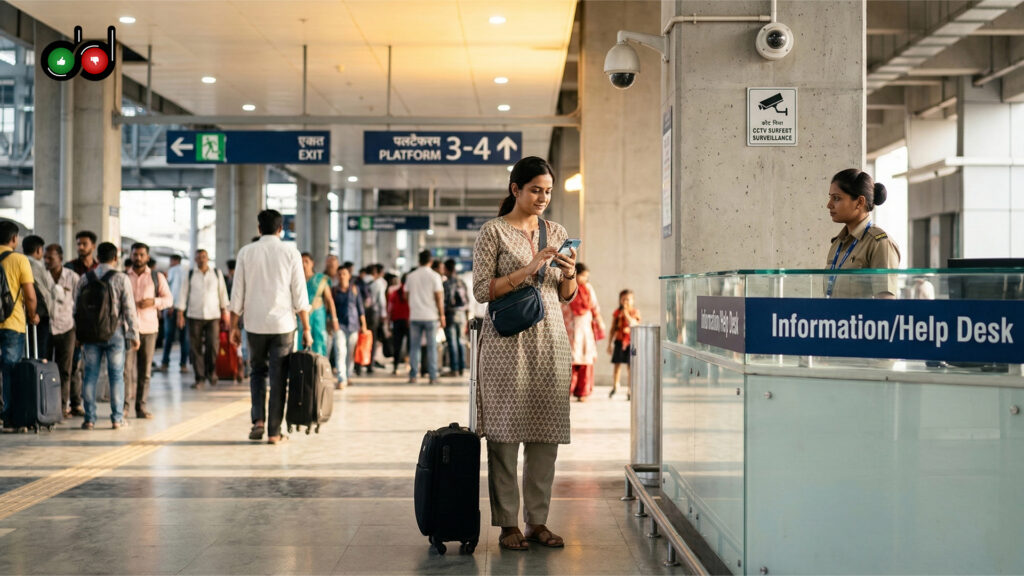
    Safety Tips for Women Traveling Alone on Streets and Public Spaces

    Women Traveling Alone on Streets and Public Spaces

    Walking through markets in Delhi or Mumbai requires focus. These safety tips for women traveling alone help you manage your presence and privacy. By following street safety tips for women, you stay in control of every interaction.

    A) Street Timing Rules That Change Outcomes

    Timing matters. Finish sightseeing early and plan returns before late night travel safety becomes an issue in new areas. If you must be out, pick routes with shops and traffic. These women travel safety tips keep you in visible zones. 

    Avoid shortcuts through dark lanes to ensure your solo female travel safety in India remains high. Using safety tips for women traveling alone ensures you don’t get stuck in isolated spots.

    B) The Attention Management Script

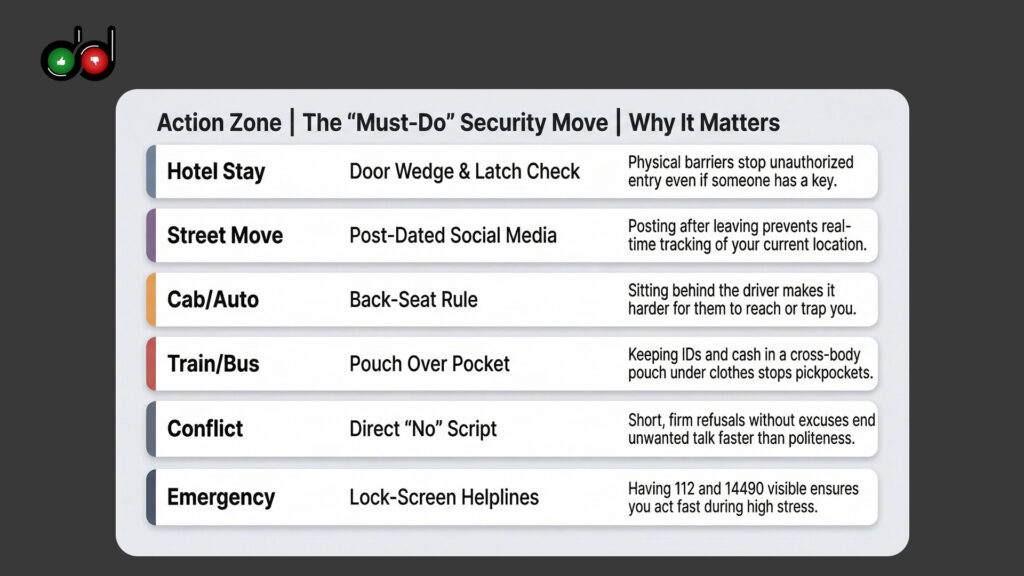
    Use short lines with no explanations to stop unwanted talk. These safety tips for women traveling alone work well: “No thanks,” “Not interested,” or “I am in a hurry.” Keep walking toward a staffed spot like a pharmacy or metro entry. 

    Avoid scams targeting solo women travelers by staying near official booths. These women travel safety tips keep your boundaries firm.

    C) What Not to Reveal in Public

    Do not share your hotel name or next destination. Never hand your phone to strangers for calls. These safety tips for women traveling alone protect your data. Avoid sharing live locations on safety apps for women in India or social media until you leave.

    D) Hidden Triggers Many Travelers Miss

    Small habits prevent big problems. Don’t accept free help at ATMs or ticket counters. Never follow a stranger for a “better view.” These women’s travel safety tips help you avoid being the last person at an empty pickup point. Using safety tips for women traveling alone consistently keeps your trip smooth.

    Managing your presence on the street keeps you out of the spotlight. Now, let’s look at how to handle your transit between these locations.

    Safety Tips for Women Traveling Alone Against Scams and Digital Risks

    Tips for Women Traveling Alone Against Scams and Digital Risks

    Protecting your data is vital for a smooth trip. These safety tips for women traveling alone help you spot common tricks early. By staying alert to scams targeting solo women travelers, you keep your finances and identity secure.

    A) The “Fake Helper” Pattern at Stations and Tourist Spots

    Strangers often push fake tickets or claim a site is closed. Do not follow them. These women’s travel safety tips keep you secure: move to an official booth and ignore unsolicited help. 

    Trust only verified sources for your solo female travel safety needs in India. Use these safety tips for women traveling alone to avoid trouble at busy transit hubs.

    B) Money and Document Hygiene

    Use the “two-wallet” method to hide your main cash from view. Keep your original IDs in safe hotels for solo women and carry printed copies instead. These safety tips for women traveling alone help prevent identity theft and major losses. Always store your documents in a secure, hidden pouch.

    C) Phone Settings That Matter

    Save the Indian women’s helpline 112 and the NCW helpline 14490 on your lock screen for instant access. Use safety apps for women in India for live tracking with one trusted friend. Keep your power bank charged so you always have access to women’s travel safety tips while on the move.

    D) The Social Media Posting Rule

    Post photos only after you leave a location. Never share live routes or hotel exteriors online. Following these safety tips for women traveling alone keeps your location private and prevents others from tracking your movements.

    Using these solo female travel safety habits for India protects your digital life. Next, learn how to handle an actual emergency fast.

    Safety Tips for Women Traveling Alone in Emergencies: What to Do Fast

    Safety Tips for Women Traveling Alone in Emergencies

    Fast action saves lives. When things go wrong, these safety tips for women traveling alone help you regain control. Using emergency safety tips for women travelers ensures you stay calm and act with structure.

    A) Numbers to Save Before You Start

    Knowledge is your best defense. Save India’s primary women’s helpline, 112, for the main emergency response system. Also, add the NCW helpline, 14490, which offers 24/7 support for incidents involving violence. These safety tips for women traveling alone rely on having these contacts on your lock screen for instant access.

    B) The “First 3 Minutes” Protocol

    If you feel unsafe, move to a crowded, staffed space like a pharmacy or a bank. Call 112 and clearly state your city, landmark, and the type of help you need. Follow these women’s travel safety tips if you believe someone is following you:

    • Enter a busy shop and ask the staff to call security.
    • Do not lead the person back to your hotel or your women’s hostel in India.
    • Use safety apps for women in Indiato alert your emergency contacts immediately.

    C) Documentation Without Escalation

    Documentation is vital for solo female travel safety reports in India. Screenshot your cab trip details, booking IDs, and payment proofs. These safety tips for women traveling alone help authorities:

    • Write down the time and location notes immediately.
    • If safe, record audio on your phone while it is in your pocket.
    • Avoid visible filming, which might escalate the tension.

    D) The Aftercare Plan

    Tell a trusted person exactly what happened and your next move. Request a room change in safe hotels for solo women if your location was exposed. These women’s travel safety tips help you recover: file a digital complaint and keep the acknowledgment. 

    Using safety tips for women traveling alone in this way ensures you stay secure even after the incident ends.

    2026 Solo Travel Safety Quick-Check:

    2026 Solo Travel Safety Guide

    Following these emergency steps builds your confidence. Next, learn how Dos and Don’ts provide specific rules for every location.

    How Dos and Don’ts Guides Women Through Safety Rules and Local Etiquette

    While most apps focus on opinions, Dos and Don’ts provides objective, location-specific guidelines for safety tips for women traveling alone. 

    By bridging the gap between rules and local norms, our platform ensures a confident experience across 10,000+ spaces.

    Key Features for Navigating with Confidence:

    • Verified Rule Sets: Access factual requirements for entry and dress codes for solo female travel safety India.
    • Structured Information: Use easy-to-read, bulleted women travel safety tips designed for quick consumption.
    • Universal Coverage: Get behavioral guidance for hospitals, clubs, and landmarks.
    • Cultural Intelligence: Understand specific etiquette to stay respectful and safe.

    Explore how Dos and Don’ts simplifies safety tips for women traveling alone and helps you visit with confidenceDos and Don’ts

    Conclusion

    Solo travel in India offers incredible growth, but managing your safety remains a constant mental load. Forgetting women’s travel safety tips can lead to real danger in isolated transit hubs or unverified stays.

    One wrong turn into a dark lane or misplaced trust in a stranger can compromise your trip instantly. This fear of being followed or scammed often prevents women from exploring.

    However, moving with structure changes everything. By using safety tips for women traveling alone and following location-specific “Dos and Don’ts,” you replace uncertainty with control. 

    Master the rules of every space and turn every unknown into a plan with our comprehensive Dos and Don’ts today.

    FAQs

    1. What are the safest hotel features for solo women in India?

    Prioritize safe hotels for solo women with 24/7 staffed reception and functional CCTV. Check hostel safety reviews for women in India to find female-only dorms. These safety tips for women traveling alone ensure you select stays with controlled entry and well-lit approach roads.

    2. What are the best safety tips for women traveling alone on the streets?

    Stick to well-lit routes and avoid late-night travel safety risks. Use street safety tips for women, such as keeping your hotel location private. These women’s travel safety tips and safety tips for women traveling alone help you maintain boundaries in crowded markets.

    3. Are cabs safe for women traveling alone in India?

    Yes, especially when you use cab safety tips for women in India, such as verifying the driver’s photo. Share your trip on safety apps for women in India and sit diagonally behind the driver. These safety tips for women traveling alone prevent most transit-related issues.

    4. What should I do if I feel I am being followed?

    Move to a crowded shop and call the Indian women’s helpline, 112, immediately. Do not lead the person to your room. Following these women’s travel safety tips and safety tips for women traveling alone ensures you reach a staffed, secure location quickly.

    5. Which emergency helpline numbers should women save in India?

    Save the women’s helpline, 112, for emergencies and the NCW helpline, 14490, for specific support. Having these safety tips for women traveling alone on your lock screen ensures that solo female travel safety in India is always just one tap away.

    6. What is the biggest mistake solo women travelers make in transport?

    Sharing your hotel name or your next destination with strangers is a major risk. Avoid scams targeting solo women travelers by keeping your details private. Use train safety tips for women and safety tips for women traveling alone to stay in control.

    Leave a Reply

    Your email address will not be published. Required fields are marked *

  • Tips for Women Traveling Alone in India: Stay, Transport, and Cultural Guide

    Tips for Women Traveling Alone in India: Stay, Transport, and Cultural Guide

    Solo travel in India is booming. Reports show a 135% increase in women booking trips alone. With 303 crore domestic visits in 2025, you need tips for women travelling alone to manage busy hubs. 

    This guide offers travel tips for women travelling alone that work. State governments in India are launching dedicated solo female travel programmes to enhance tourist security.

    Use these women’s safety tips for India and this solo trip safety checklist to stay in control. Follow these travel tips for women travelling alone for your trip.

    Tips for Women Travelling Alone and Solo Female Travel in India Stay Rules

    Your choice of lodging determines your comfort. Finding safe hotels for solo women requires a proactive approach. Apply these tips for women travelling alone to keep your personal space secure.

    1. Book the Room Like a Security Professional

    Smart travellers pick rooms between the second and fourth floors. These levels are high enough to prevent easy street access but low enough for quick exits. Use these travel tips for women travelling alone to pick the right spot:

    • Stay near the elevator lobby where foot traffic is high.
    • Avoid rooms at the end of long, quiet corridors.
    • Verify that windows lock from the inside.
    • Ensure balconies don’t share access with neighbouring rooms.

    2. The Check-In Script That Filters Problems Fast

    Keep your profile low at the front desk. This is one of the most effective women’s safety tips experts recommend to avoid looking like a target.

    • Say you have “friends in the city” arriving soon.
    • If a staff member says your room number out loud, ask for a different room.
    • Keep your room number private; it is one of our top tips for women travelling alone.

    3. Red Flags in Stays Many People Miss

    Watch for poor lighting and missing CCTV in common areas. Your solo trip safety checklist should include these checks:

    • Test the door lock and peephole immediately.
    • Check if the property allows random outsiders to wander the halls.
    • Look for 24-hour staffed reception desks. If these basic tips for women travelling alone aren’t met, the hotel isn’t worth the risk.

    4. Small Add-Ons That Change Outcomes

    Pack a door wedge and a portable alarm to add a layer of physical security. These tips for women travelling alone help you sleep better. Carry a scarf to cover up in conservative lobbies or religious areas near your hotel.

    Securing your room gives you a safe home base. Now, let’s look at how to maintain that same safety while you move through the streets.

    Travel Tips for Women Travelling Alone and Women’s Safety Tips: India Transport Plan

    Travel Tips for Women Travelling Alone

    Moving through busy cities and transit hubs is a major part of solo female travel in India. To stay secure, treat your commute with high focus. These tips for women travelling alone help you manage everything from local metros to long-distance trains.

    5. Choose Transport Like You Choose a Seat in an Exam Hall

    Selecting the right spot changes your experience. In 2026, follow IRCTC’s safety tips for women travellers by booking berths in 2AC or 3AC near families.

    Avoid empty compartments during train night travel safety hours. In cities, the women-only coaches Metro in India provides offer a much more comfortable environment during rush hour.

    6. Cab and Auto Rules That Prevent Common Scenarios

    Cabs are convenient but require specific cab safety habits for India. Before entering, check the number plate against your app.

    • Sit directly behind the driver to limit their view of you.
    • Share your live location with a trusted contact immediately.
    • Keep your bag on your lap rather than the seat. 

    These travel tips for women travelling alone ensure you stay in control.

    7. Station and Airport Micro Habits

    Transit hubs are crowded, so use women’s safety tips in India to manage the chaos. Stand near security posts or “Pink Booths” while waiting. Use toilets inside “paid areas”, as they are better monitored. Keeping your phone charged is one of the most basic tips for women travelling alone for any transit hub.

    8. Late Night Travel Decision Tree

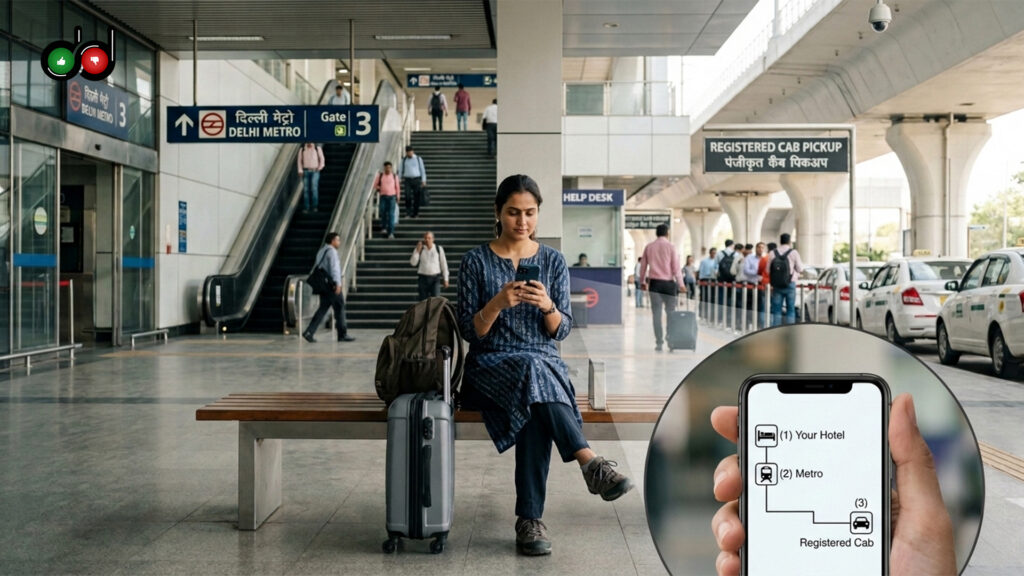
    If you arrive after 10 PM, do not wing it. Pre-book a hotel pickup or use a prepaid counter. Following these travel tips for women travelling alone prevents you from being stranded.

    Once you master the move, you need to understand the social rules. Let’s look at how to blend in and manage cultural expectations without the guesswork.

    Tips for Women Travelling Alone in India Cultural Guide Without Guesswork

    Understanding social cues is a powerful tool for solo female travel in India. While cities like Mumbai are liberal, smaller towns have different norms. Using these tips for women travelling alone helps you respect local traditions while maintaining your personal space.

    9. Dress Signals in India Change City to City

    Your outfit is your first line of communication. In 2026, cultural etiquette for women in India still favours modest clothing in rural areas and religious sites.

    • Pack a light scarf to cover your shoulders or head instantly.
    • Wear long tunics or loose pants in conservative markets to deflect attention.
    • Follow these travel tips for women travelling alone to blend into the crowd.

    10. The Boundaries Script That Works

    Avoid long explanations with strangers. If someone asks personal questions, use a firm “No” or say you are meeting your husband. This is one of the women’s safety tips India experts use to end unwanted chats. Short, neutral answers show you are a focused traveller, not a target.

    11. Photos, Temples, and Local Norms

    Always ask before taking photos of people or rituals. Many temples now have strict “No Selfie” zones to protect sanctity. Following these tips for women travelling alone ensures you don’t accidentally cause offence.

    12. Hidden Social Triggers

    Be careful with “favours”, like lending your phone. If a stranger needs help, point them to the police. Avoiding these triggers is one of the best travel tips for women travelling alone.

    Managing social interactions keeps your trip smooth. Next, we will cover how to protect your money and digital footprint from common scams.

    Women’s Safety Tips for Digital, Money, and Scam Defence in India

    Women's Safety Tips for Digital

    Protecting your digital footprint is just as vital as physical security during solo female travel in India. Scammers often target travellers through over-friendly behaviour or tech-based tricks. Use these tips for women travelling alone to keep your finances and data under your control.

    13. The Fake Helper Pattern

    At major transit hubs, you might encounter “guides” who claim your hotel is closed or your train is cancelled. These individuals try to divert you to expensive agencies.

    • Ignore unsolicited advice from strangers near stations.
    • Head to official tourist desks or use your mobile data to verify facts.
    • This is a core part of the solo trip safety checklist for India for any major city.

    14. Money Hygiene

    India is a digital-first economy in 2026. Use UPI for small payments like tea or rickshaws to avoid showing large amounts of cash.

    • Keep a “spend” wallet for daily needs and a “main” wallet hidden away.
    • Carry two different bank cards and keep one in your hotel safe.
    • Using these travel tips for women travelling alone minimises the impact of potential theft.

    15. Phone Settings That Matter

    Your phone is your lifeline. Keep the emergency number 112 India and the women’s helpline number (181 or 1091) saved. Turn on live location sharing with a trusted person during long rides. Staying connected is one of the most effective women’s safety tips in India for modern explorers.

    16. Social Media Timing Rule

    Avoid posting your location in real time. Upload photos after you have left the cafe or checked out of your hotel. Keeping your route private is one of the top tips for women travelling alone to prevent unwanted followers.

    Defending your digital space makes your physical journey much smoother. Next, we will cover the emergency playbook to ensure you know exactly what to do if things go wrong.


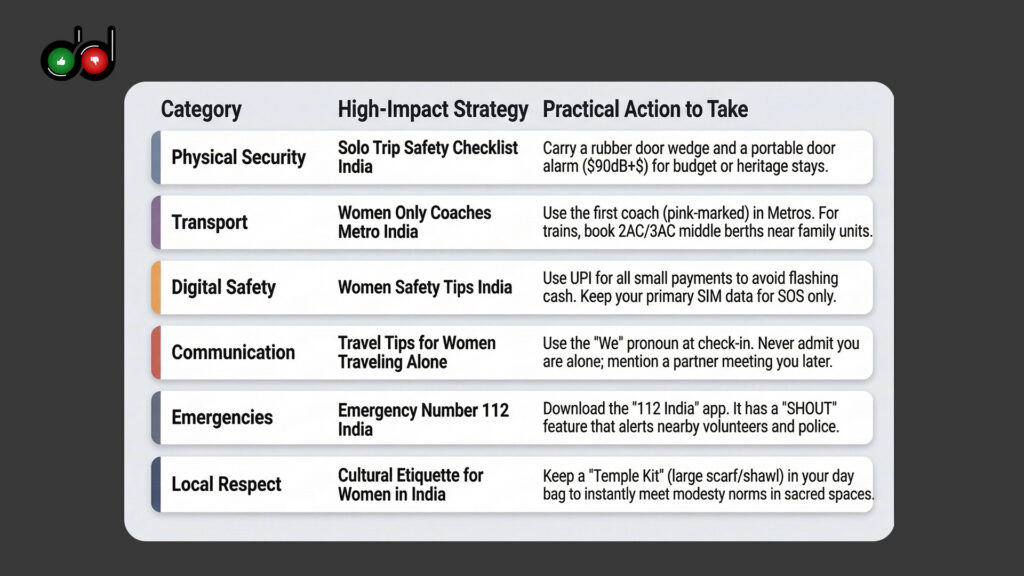
    Tips for Solo Women Travel India 2026 At a Glance:

    Tips for Solo Women Travel India 2026

    How Dos and Don’ts Make Solo Travel in India Clear, Safe, and Predictable

    While most sites offer opinions, Dos and Don’ts provides objective, location-specific tips for women travelling alone. This platform bridges the gap in cultural etiquette for women in India across 10,000+ spaces

    Use it to find travel tips for women travelling alone that are factual and fast.

    • Verified Rule Sets: Access up-to-date dress codes and entry requirements for solo female travel in India.
    • Structured Information: Use bulleted guides for quick consumption while you move.
    • Universal Coverage: Get women’s safety tips for India for landmarks, hospitals, and transit hubs.
    • Cultural Intelligence: Understand local restrictions to avoid social friction.

    By focusing on preparedness, Dos and Don’ts helps you apply tips for women travelling alone with total confidence. Explore how Dos and Don’ts simplifies tips for women travelling alone today.

    Conclusion

    Solo travel in India is empowering but demands constant vigilance. Managing crowded hubs and isolated stays often leads to exhaustion and anxiety. One wrong turn or a missed cultural etiquette for women in India can leave you vulnerable to harassment or scams, turning a dream trip into a safety crisis. 

    This uncertainty creates a fear that limits your exploration. However, having a system of tips for women travelling alone changes everything. 

    Dos and Don’ts provides the objective rules you need to handle travel tips for women travelling alone. By replacing guesswork with India’s women’s safety tips and verified facts, you stay in control of your solo female travel journey in India.

    Get the facts before you go and turn every “what if” into a plan with dos and don’ts.

    FAQs

    1. What are the safest stay options for solo female travel in India?

    Book safe hotels for solo women in India featuring 24-hour reception and CCTV. Safety tips for women travelling alone suggest staying between the second and fourth floors. Verified stays for solo female travel in India prioritise secure locks and well-lit corridors to ensure your comfort.

    2. Which transport is safest for women travelling alone in India?

    The women-only metro coaches in India are perfect for city commutes. For trains, follow IRCTC’s safety tips for women by booking 2AC berths. These travel tips for women travelling alone and India’s women’s safety tips help you move securely across states.

    3. What should I carry for women’s safety in India during daily travel?

    Keep a solo trip safety checklist for India with a power bank and a door wedge. Carry a scarf to respect cultural etiquette for women in India. These tips for women travelling alone ensure you stay prepared for long transits or visits to religious sites.

    4. What emergency number should women use while travelling in India?

    Dial the emergency number 112 in India for immediate police or medical help. Save the women’s helpline number for India (181 or 1091) for specific support. These travel tips for women travelling alone keep vital contacts ready for any high-pressure situation.

    5. How do I handle unwanted attention without escalating?

    Use firm “No” scripts and move toward staffed zones. Women’s safety tips for India suggest avoiding debates with strangers. Practise these tips for women travelling alone to maintain boundaries without sharing your hotel name or next destination with anyone nearby.

    6. Is it safe to post on social media during solo travel?

    No, post only after leaving a location. Real-time updates violate travel tips for women travelling alone by revealing your exact position. Protecting your route is a core part of solo female travel in India and ensures your digital footprint stays secure.

    Leave a Reply

    Your email address will not be published. Required fields are marked *

  • Delhi Tourist Guide: Metro Rules, Safety Tips, and Common Tourist Mistakes to Avoid

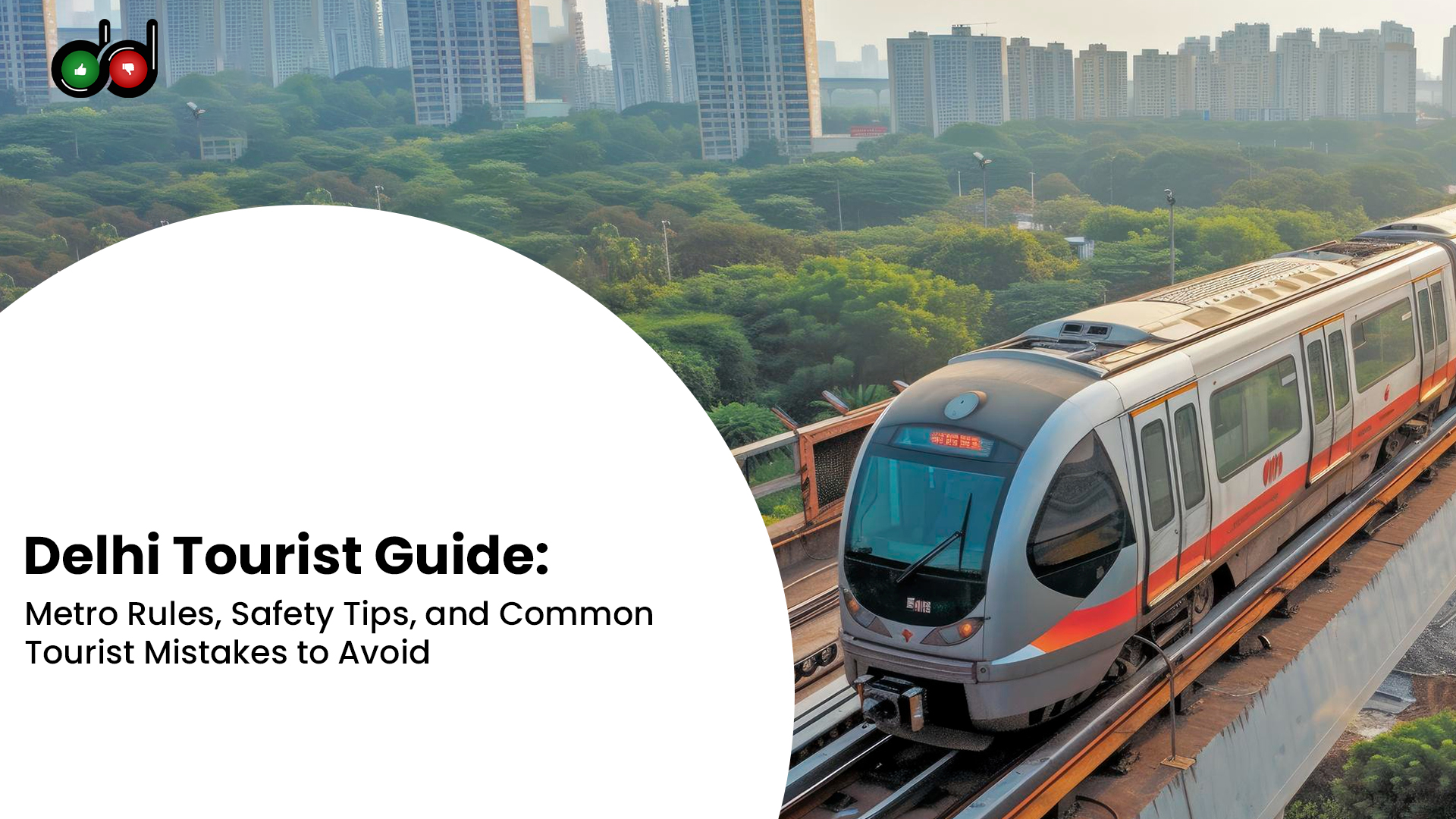
    Delhi Tourist Guide: Metro Rules, Safety Tips, and Common Tourist Mistakes to Avoid

    Delhi hits your senses the moment you arrive. Millions of people visit this city every year. It feels vibrant and loud. You need a reliable Delhi tourist guide to help you move around without stress. 

    This guide shows you how to follow Delhi Metro rules and safety while using the best transport system in the city. We also focus on avoiding tourist scams in Delhi so you don’t lose money to tricks. 

    Street smarts and knowing the Delhi Metro fares make your trip better. Use this Delhi tourist guide to stay safe and enjoy the local food and history.

    Mastering the Delhi Metro: Rules, Fares & Safety

    Using the train system is the smartest way to see the city. This Delhi tourist guide explains how to use the network like a local.

    1. Operational Basics

    Trains generally run from 5:30 AM to 11:30 PM. You should avoid Delhi Metro peak hours from 8:30 AM to 10:30 AM and 5:30 PM to 8:00 PM. During these times, stations like Rajiv Chowk become extremely crowded. If you travel outside these hours, your journey remains comfortable and quick.

    2. Fare Intelligence (2025 Update)

    The DMRC updated Delhi Metro fares in August 2025. Prices now range from ₹11 for short trips to ₹64 for longer distances. This Delhi tourist guide recommends buying a Smart Card for ₹150. It gives you a 10% discount on every ride. 

    You get an extra 10% off if you travel during off-peak hours before 8 AM or between 12 PM and 5 PM. Sundays and national holidays also feature lower rates, making them the best days for long-distance sightseeing.

    3. Essential Metro Rules & Safety

    Following Delhi Metro rules and safety ensures a smooth trip.

    • Women-Only Coaches: The first car in the direction of travel is for women only. Look for pink floor markers on the platform. Men who enter this coach face a ₹250 fine.
    • Luggage Limits: You can carry one bag weighing up to 25 kg. The size should not exceed 80 cm x 50 cm x 30 cm.
    • Security Checks: Every station has CISF officers and X-ray scanners. Cooperate with them to maintain Delhi Metro safety tips.
    • Emergency Button: Only use the yellow alert button inside the train if there is a real crisis.

    This Delhi tourist guide helps you stay within the law while moving fast. Using these Delhi Metro safety tips keeps you and your belongings secure. Always keep your smart card ready for a quick exit. 

    Knowing Delhi Metro rules and safety helps you avoid fines and stay safe in the crowds. Once you know the train rules, you need to watch out for people trying to trick you on the street.

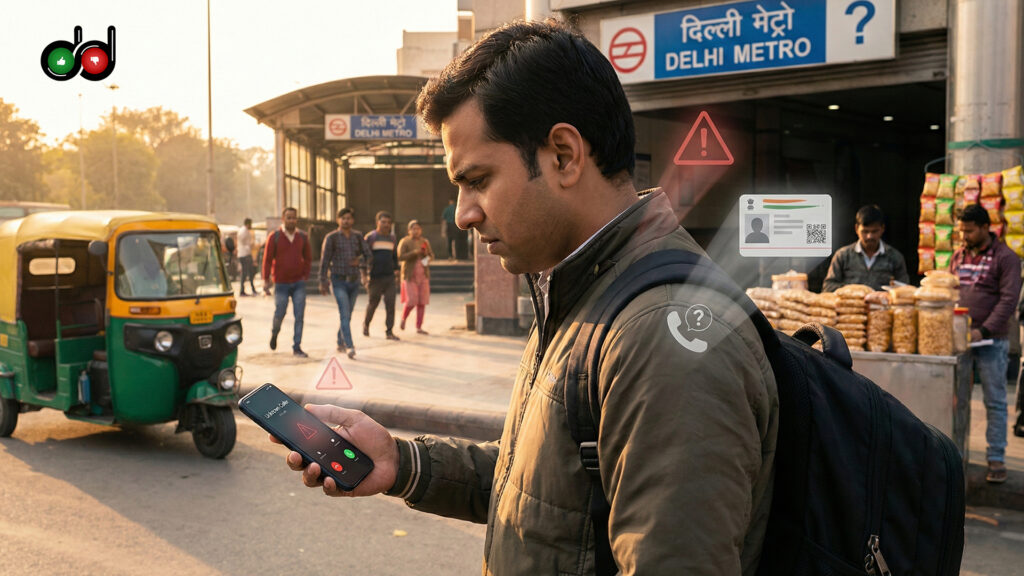
    The Delhi Scam Watchlist: 3 Red Flags to Spot

    delhi metro rules and safety

    Spotting Delhi tourist traps keeps your money in your wallet. This Delhi tourist guide highlights the most frequent tricks used to target visitors.

    Scam #1: The Fake Official Tourist Office

    Watch for fake “Government Tourist Offices” near Connaught Place. Touts tell you the official center moved or that roads are closed. This is a classic example of avoiding tourist scams in Delhi. 

    They lead you to a private shop to sell overpriced packages. Only trust the India Tourism office at 88 Janpath. Always use Google Maps yourself to verify locations with this Delhi tourist guide.

    Scam #2: The Train Cancelled Ruse

    The “Train Cancelled” ruse happens often at New Delhi Railway Station. Scammers pose as guards and claim your train is gone. They want you to buy expensive private car rides. 

    Check the official IRCTC app or the tourist bureau on the first floor of the station. This is one of the most famous common Delhi scams. Use your Delhi tourist guide to stay informed.

    Scam #3. The 10x Markup (Taxi/Rickshaw)

    Avoid the 10x markup from taxis and rickshaws. Drivers often claim the meter is broken to charge high flat rates. While BluSmart faced service changes in early 2025, you should stick to Uber or Ola for transparent pricing. 

    If you take a rickshaw on the street, tell the driver, “Meter se chalo,” which means “Use the meter.” These simple tips turn you into a pro and help you use this Delhi tourist guide effectively.

    These Delhi scams to avoid usually target people who look lost. Staying alert prevents these issues while following Delhi Metro rules and safety on your travels. This Delhi tourist guide keeps your budget safe.

    4 Costly Mistakes Every First-Timer Makes

    avoiding tourist scams in delhi

    First-timers often make errors that cost time and money. Use this Delhi tourist guide to fix your plan and stay safe.

    Mistake #1. Ignoring “Delhi Belly” Rules

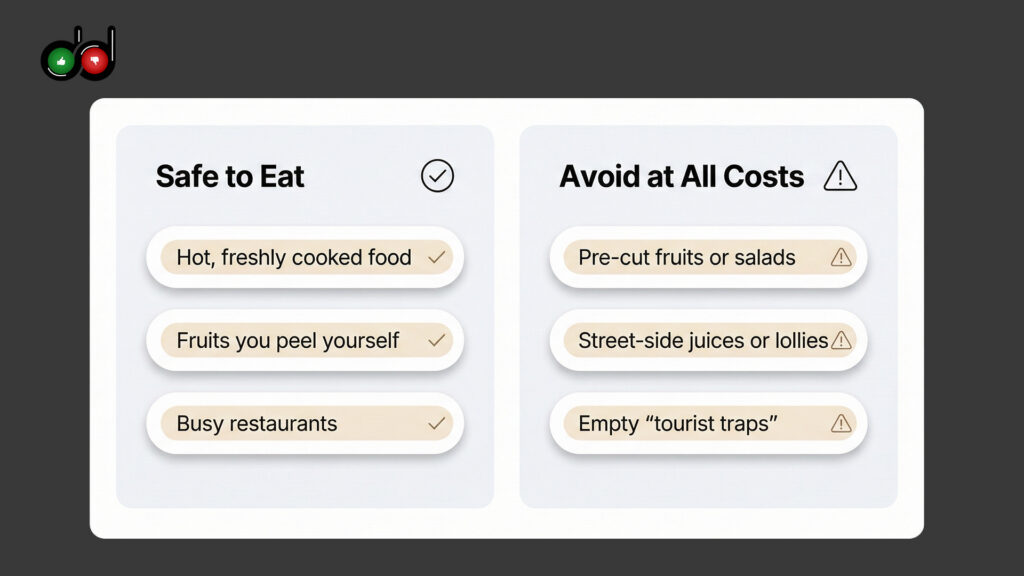
    Eating raw salads or using ice cubes in street drinks too early ruins trips. Stick to hot, fresh food. This Delhi tourist guide suggests drinking only bottled water with a sealed cap to avoid getting sick.

    Mistake #2. Pickpocket Vulnerability

    Keeping phones in back pockets during the Yellow Line rush is a big Delhi tourist mistake. Wear your backpack on your front in crowds. Following Delhi Metro rules and safety means staying alert at all times. Use Delhi pickpocket safety tricks to keep your gear.

    Mistake #3. Cultural Insensitivity

    Religious sites require modest dress. Carry a scarf to cover your head at Gurudwaras. Wearing shorts to a mosque is one of those common Delhi travel mistakes. Always show respect at holy sites.

    Mistake #4. Underestimating Distances

    Delhi is huge. Planning Old Delhi and Qutub Minar for one afternoon causes burnout. This Delhi tourist guide recommends grouping sites by area while avoiding tourist scams in Delhi.

    Knowing these Delhi tourist traps and errors makes your visit better. This Delhi tourist guide prepares you for the local pace.

    Next, see how specific guidelines simplify your entire visit.

    How Dos and Don’ts Simplify Your Delhi Visit

    Knowing the specific rules of a city makes your trip much easier. Most travel sites focus on photos, but Dos and Don’ts gives you facts. Our tool works as a digital Delhi tourist guide by providing clear rules for 10,000+ locations

    It helps you with avoiding tourist scams in Delhi by showing you exactly what to expect.

    • Verified Rules: Access entry and dress code requirements for your Delhi tourist guide spots.
    • Universal Coverage: Find behavioural tips for everything from hospitals to landmarks.
    • Cultural Intelligence: Learn local etiquette to stay respectful.

    Dos and Don’ts simplifies your plan. Use it to follow Delhi Metro rules and safety and improve your Delhi tourist guide skills.

    Conclusion: Turning Chaos into Adventure

    Missing your train because of a “cancelled” lie or getting fined in the wrong Metro coach ruins your day. These mistakes lead to lost money, wasted hours, and a feeling of being unsafe in a new city. Falling for common Delhi scams can turn a dream vacation into a stressful memory. 

    However, the right Delhi tourist guide information changes everything. By using Dos and Don’ts, you get the facts on Delhi Metro rules and safety before you arrive. This preparation helps you avoid Delhi tourist mistakes and lets you focus on the city’s amazing history instead.

    FAQs

    1. What is the safest transport at night? 

    Always use app-based cabs like Uber or BluSmart for late-night travel. These services provide GPS tracking and verified driver details, which helps with avoiding tourist scams in Delhi. Avoid taking random rickshaws or walking in dark areas to maintain your safety.

    2. Can I use one Metro Smart Card for two people? 

    No. One card is for one passenger only. Each person needs their own card to follow Delhi Metro rules and safety. For groups, use the DMRC WhatsApp bot to buy multiple QR tickets, making navigating the Delhi metro easier for everyone.

    3. How do I identify a real tourist office? 

    A real government office is at 88 Janpath. Look for the “Incredible India” logo and official signage. This Delhi tourist guide tip is vital: real officials won’t approach you on the street, helping you with avoiding tourist scams in Delhi.

    4. Are there luggage restrictions on the Metro? 

    Yes. You can carry one bag weighing up to 25 kg. The size must stay within 80 cm x 50 cm x 30 cm. Following these Delhi Metro rules and safety protocols ensures you pass security quickly without being turned away at the station entrance.

    5. Is street food safe? 

    It is safe if you follow this Delhi tourist guide tip: only eat at busy stalls with high turnover. Ensure food is piping hot and cooked in front of you. Avoid raw items to stay healthy while avoiding tourist scams in Delhi.

    Leave a Reply

    Your email address will not be published. Required fields are marked *

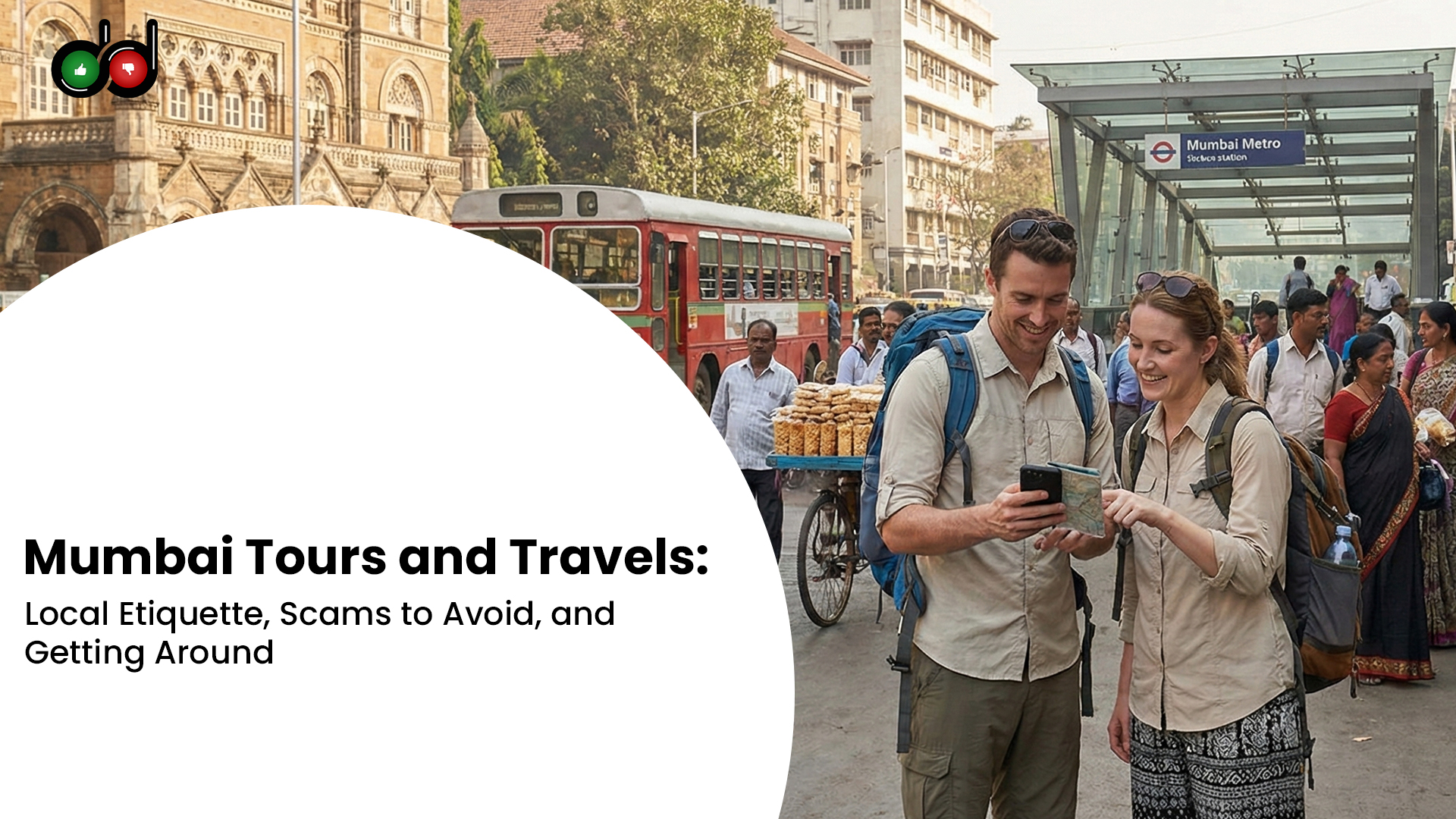
  • Mumbai Tours and Travels: Local Etiquette, Scams to Avoid, and Getting Around

    Mumbai Tours and Travels: Local Etiquette, Scams to Avoid, and Getting Around

    Mumbai feels like organised chaos. Twenty million people live here. You see the rush. You feel the heat. Most visitors get lost in the noise. Others pay a “tourist tax” to scammers. You want to see the city without stress. 

    This guide simplifies your Mumbai tours and travels. We focus on local etiquette in Mumbai to help you blend in. You’ll learn the best way of navigating Mumbai transportation without getting stuck. Stop worrying about the crowds. 

    We give you the Mumbai unspoken rules right here. Use these Mumbai travel tips for a better trip. Your Mumbai tours and travels start with prep. You now have the tools for travelling in Mumbai safely.

    The Unspoken Rules of the Street

    Mumbai operates on a secret social code. You need to know these habits to avoid standing out. Mastering local etiquette in Mumbai keeps your interactions smooth. Your Mumbai Tours and Travels success depends on how you handle the street.

    1. The “Boss” Culture

    Stop saying “Bhaiya”. In this city, “Boss” is the magic word. Use it for your driver or a street vendor. This shift makes your Mumbai tours and travels much more efficient. It is a vital part of Mumbai culture and customs.

    2. Live and Let Live

    Mumbai is packed. Locals stay sane by ignoring what others do. This non-interference is a key cultural etiquette habit in Mumbai. These Mumbai unspoken rules keep the peace in a crowd.

    3. Dress Codes and Shoes

    Dress modestly in traditional markets. This is one of the top Mumbai travel tips. Always take your shoes off at the door of a house. Understanding these habits helps you when navigating Mumbai transportation. 

    Now, protect your Mumbai tours and travels from people who want your money. Smart Mumbai tours and travels require vigilance against street tricks.

    Common Mumbai Scams & How to Dodge Them

    Common Mumbai Scams

    Mumbai moves fast. Scammers move fast too. You must stay alert to keep your Mumbai tours and travels fun. Spotting a trick early stops you from paying the “tourist tax.” 

    Knowing these Mumbai tourist scams to avoid helps you maintain local etiquette in Mumbai by staying calm. Use these tips for better Mumbai tours and travel results.

    • The Broken Meter. If an auto driver refuses the meter, find another ride. They use this trick to overcharge you. This is one of the common auto rickshaw scams.
    • Airport Arrival Tricks. Use the prepaid counter or apps. People in the hall often lie about app wait times to get you into private cars.
    • Fake Closures. Strangers might claim the Gateway of India is “closed for a VIP event.” They do this to push you toward their shops. Walk to the entrance yourself. This is essential for Mumbai tourist safety.
    • The Hotel Lie. Some drivers claim your hotel is “closed for repairs.” They want to take you to a commission-heavy spot. Call your hotel directly to verify.

    These tips help your Mumbai tours and travels stay on track. This knowledge makes navigating Mumbai transportation much easier.

    Navigating Mumbai Transportation Like a Pro

    Navigating Mumbai Transportation

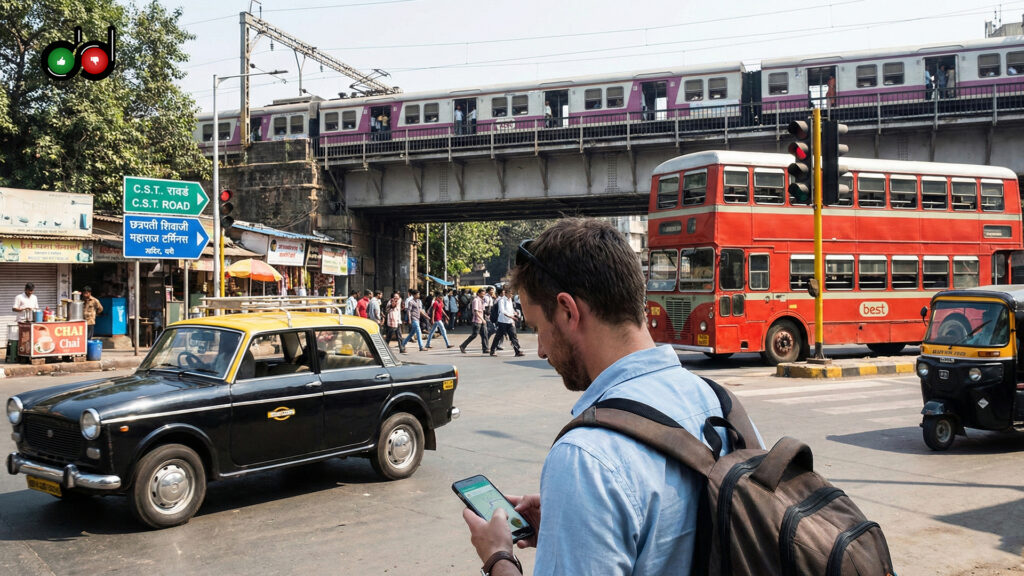
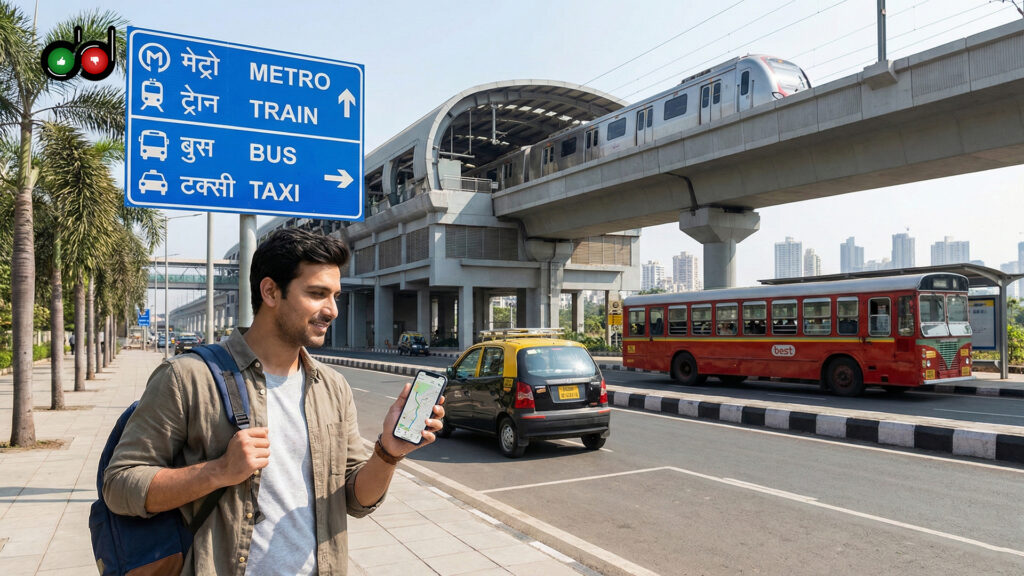
    The city moves on its feet and wheels. Your Mumbai tours and travels depend on how well you handle the crowds. Use the Mumbai local transport system to save time and money. Here is how you master the roads and rails.

    1. The Lifeline: Local Trains

    The trains are the heart of the city. Use the Mumbai metro guide and rail maps to pick your route.

    • Peak Hour Survival. Avoid trains from 8 AM to 11 AM and 6 PM to 9 PM. This is the only way to skip the “Super Dense Crush Load”.
    • Smart Booking. Use the RailOne app for digital tickets — it replaces the older UTS app and works for both unreserved and reserved bookings. Check the m-Indicator app for live train times. This is vital for navigating Mumbai transportation.
    • Special Coaches. If you are a woman, look for the ladies’ compartments. They offer more space and safety.

    2. The Modern Metro

    The Mumbai metro guide is growing fast. The new Aqua Line connects South Mumbai to the suburbs through underground tunnels.

    • Skip the Line. Buy a “National Common Mobility Card” (NCMC). It works for the Metro and helps you avoid ticket queues.
    • AC Comfort. The Metro stays cool. Use it to cross the city when the heat gets too high.

    3. Cabs and Rickshaws

    You will see yellow and black cars everywhere. These are the “Kaali-Peelis”.

    • The Auto Limit. You won’t find an auto-rickshaw in South Mumbai. They stop at Sion and Mahim. Use taxis or the Mumbai public transportation buses there.
    • Fare Checks. Ensure the driver resets the meter. Mumbai travel tips say you should always check the latest fare chart on your phone.

    Understanding these transit rules changes your Mumbai tours and travels experience. Now you can see how specific dos and don’ts keep things simple.

    How Dos and Don’ts Simplify Your Mumbai Journey

    Dos and Don’ts Simplify Your Mumbai Journey

    Dos and Don’ts provides objective, location-specific guidelines for your Mumbai tours and travels. We bridge the gap in local etiquette in Mumbai with these features:

    • Verified Rule Sets. Get factual entry and dress code requirements.
    • Structured Info. Use quick bulleted facts while navigating Mumbai transportation.
    • Universal Coverage. Understand Mumbai culture and customs at 10,000+ locations.

    Skip long reviews for instant Mumbai travel tips. This tool ensures you follow Mumbai’s unspoken rules perfectly. Stay prepared for better Mumbai tours and travel results, and visit with confidence.

    Conclusion 

    Planning Mumbai tours and travels often feels like a mess. You face aggressive touts, massive crowds, and tricky transit habits. If you mess up, you pay the price in lost time or extra cash. These bad experiences make people fear the city instead of loving it. This anxiety ruins your trip before it starts. 

    Dos and Don’ts offer a better way. It gives you clear facts on local etiquette in Mumbai. You get the help you need for navigating Mumbai transportation without the stress. Preparation stops the worry and lets you explore with peace.

    FAQs

    1. What is the safest way to travel in Mumbai at night? 

    Use app-based cabs for travelling in Mumbai safely after dark. These services offer GPS tracking and transparent fares, helping you avoid Mumbai tourist scams. Whether you are navigating Mumbai transportation via Uber or the Mumbai metro guide, sticking to well-lit hubs ensures better Mumbai tourist safety late at night.

    2. Why can’t I find an auto-rickshaw in South Mumbai? 

    The Mumbai local transport system restricts autos from the city centre to manage traffic. For your Mumbai tours and travels in Colaba or Fort, use black-and-yellow taxis or Mumbai public transportation buses. Understanding these Mumbai unspoken rules prevents confusion while you are getting around Mumbai like a local.

    3. How much should a minimum auto fare cost? 

    The starting fare for auto rickshaw scam prevention is ₹23. Always check the official Mumbai local transport system tariff card on the m-Indicator app. Ensuring the driver resets the meter is a top Mumbai travel tip priority. This keeps your Mumbai tours and travels budget-friendly and ensures you pay the right price.

    4. Is the Mumbai Local train safe for solo female travellers? 

    Yes, use the designated ladies’ compartments for a secure experience. These coaches are a vital part of navigating Mumbai transportation for women. Following local etiquette in Mumbai and avoiding peak hours makes your Mumbai tours and travels much smoother. This is a key step for travelling in Mumbai safely alone.

    5. How do I know if a “local guide” is a scammer? 

    If a stranger claims landmarks are “closed”, stay alert. They often try to push Mumbai tourist scams to avoid by redirecting you to shops. Check the gates yourself to maintain Mumbai tourist safety. Learning cultural etiquette Mumbai Standards helps you handle these unsolicited interactions during your Mumbai tours and travels.

    Leave a Reply

    Your email address will not be published. Required fields are marked *

  • Domestic Flight Rules India: Check-In, Baggage Guidelines, and Boarding Tips

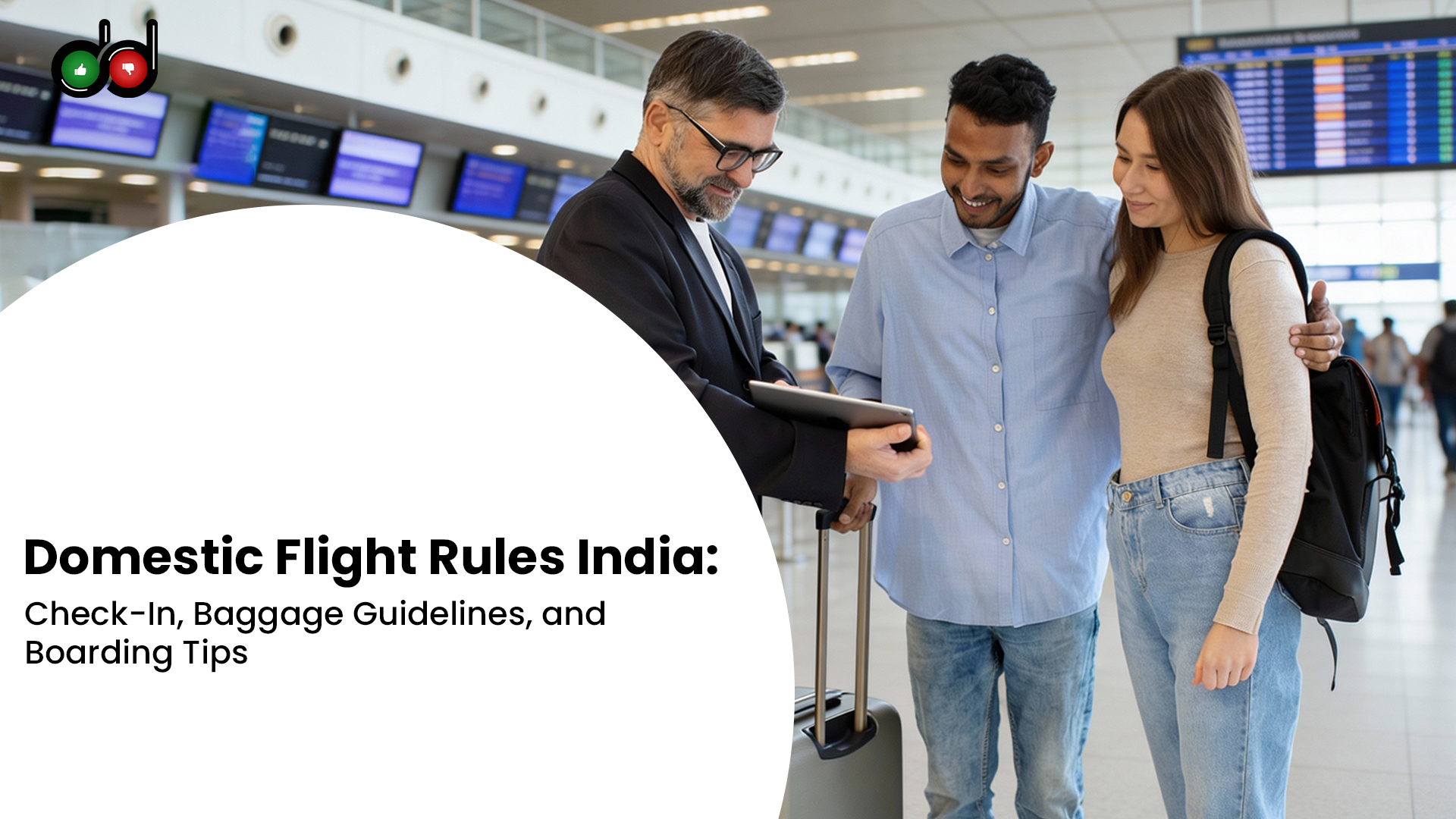
    Domestic Flight Rules India: Check-In, Baggage Guidelines, and Boarding Tips

    Flying within India changed recently. You must follow the latest domestic flight rules in India to avoid stress at the terminal. From May 2024, carriers strictly enforce the cabin baggage allowance and airline cabin luggage rules. If you miss the boarding gate timing, you lose your seat. 

    Knowing the current check-in procedures at the airport keeps your travel smooth. This guide explains the domestic flight baggage limits and airport security procedures in India for 2026. Stick to these domestic flight rules in India to save money and time.

    The “7 kg Rule”: New Baggage Policies

    Indian aviation authorities now enforce a strict “one bag” policy to reduce cabin congestion and speed up boarding. Understanding these domestic flight rules in India helps you avoid unexpected fees at the gate.

    1. Cabin Baggage (Hand Luggage)

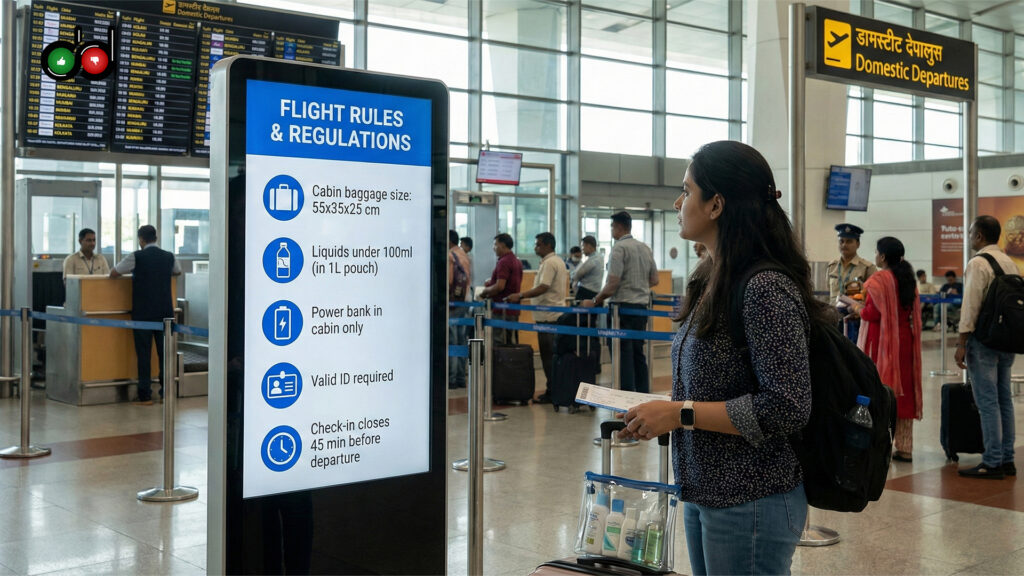
    • Weight Limit: You get exactly 7 kg in economy class. Business class passengers often enjoy a higher limit of 10 kg.
    • The “One Bag” Rule: You can carry one main bag plus a small personal item like a laptop bag or a purse. The personal item must weigh under 3 kg and fit under the seat.
    • Dimensions: Your main bag must stay within 55 cm x 35 cm x 25 cm.

    2. Checked Baggage (Main Luggage)

    • Standard Limit: Most airlines, like IndiGo and Akasa Air, offer a 15 kg limit.
    • Air India Benefits: Depending on your fare type, Air India allows between 15 kg and 25 kg.
    • Baggage Excess Charges: If you go over, airlines charge between ₹550 and ₹700 per extra kg. Pre-booking extra weight online is up to 30% cheaper than paying at the counter.

    Strictly following these domestic flight baggage limits ensures you won’t face delays during the security screening process.

    Once you pack your bags within the airline cabin luggage rules, you need to plan your arrival to handle the airport check-in procedures smoothly.

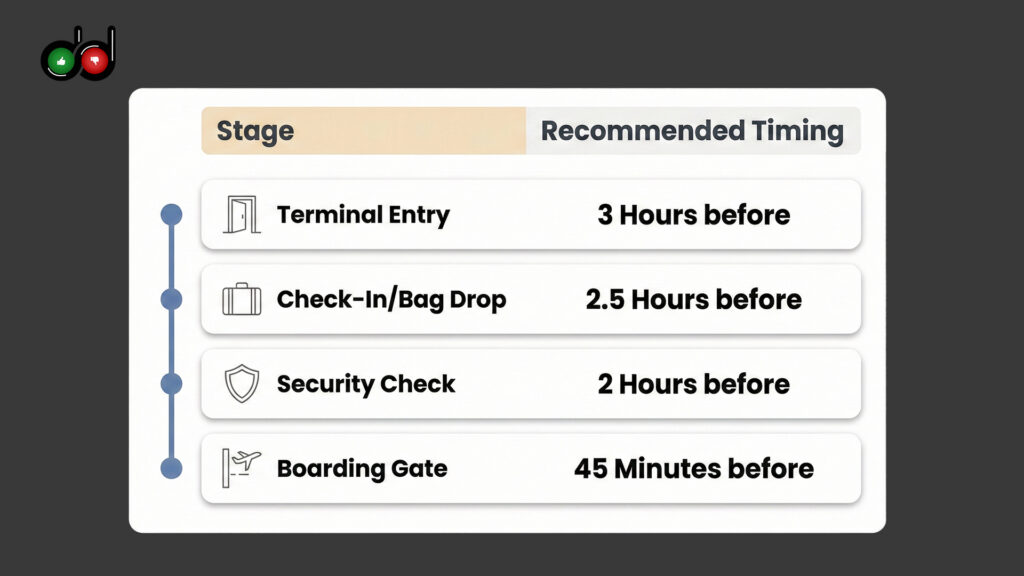
    Airport Procedures: 2026 Timeline

    Passenger traffic in India has surged. You must adapt your schedule to meet domestic flight rules in India and avoid missing your flight.

    1. Arrival (3 Hours Before): Major hubs now see heavy congestion. Following updated airport arrival time guidelines saves you from last-minute panic.

    2. Check-In/Bag Drop (2.5 Hours Before): The check-in procedures at airport counters close 60 minutes before departure. Complete the online check-in process beforehand to use “Express Bag Drop” kiosks.

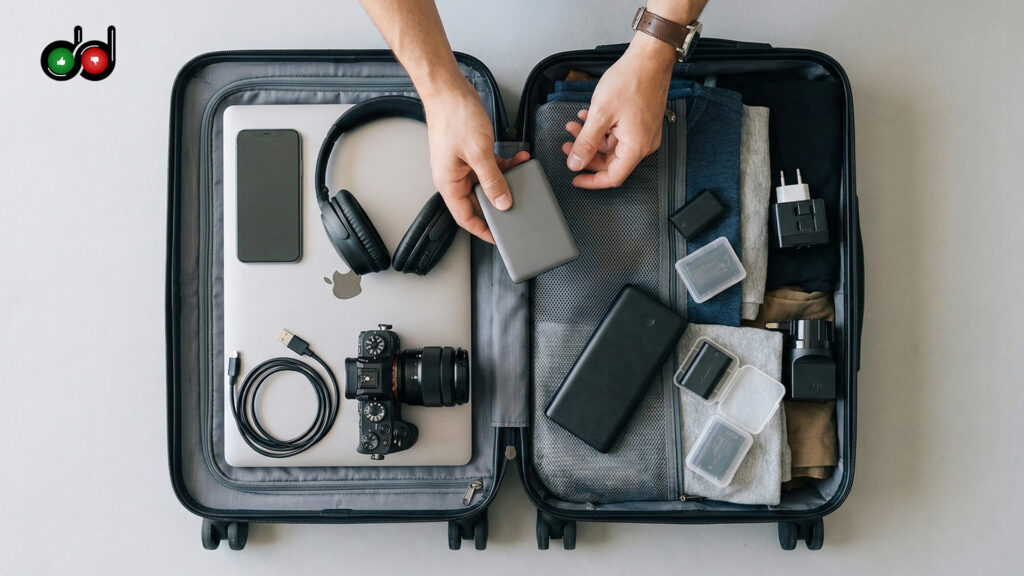
    3. Security Check (2 Hours Before): All passengers undergo the security screening process. Be ready to remove laptops and power banks for airport security procedures and India checks.

    4. Boarding Gate (45 Minutes Before): Airlines strictly enforce boarding gate timing. Gates close 25 minutes prior to takeoff to ensure on-time departures.

    Airport Procedures in India

    Use DigiYatra to bypass long entry lines. This service helps you maintain your boarding gate timing by using facial recognition. Adhering to domestic flight rules in India ensures you don’t get stuck at the desk. Keep your original ID ready at the entrance. These domestic flight rules in India are non-negotiable for a smooth trip.

    Once you master the timing for domestic flight rules in India, you need to know exactly what fits in your bags.

    Security: What You Can & Cannot Carry

    Following the domestic flight rules in India requires careful packing to pass through the security screening process without losing your belongings. The CISF maintains a strict list of items that can or cannot enter the cabin.

    1. Prohibited in Cabin Baggage (Hand Luggage)

    • Liquids and Gels: You must limit all liquids, including shampoos and perfumes, to 100 ml containers. Common Indian items like ghee, achar (pickle), and syrups are also treated as liquids under airport security procedures in India and will be confiscated if they exceed this limit.
    • Sharp Objects: You cannot carry metal scissors, nail cutters with blades, or Swiss knives.
    • Lighters: Standard lighters and matchboxes are generally forbidden in your cabin baggage allowance.

    2. Prohibited in Checked Baggage

    • Power Banks: These must stay in your hand luggage. If security finds a power bank in your checked baggage, they will open your bag to remove it, causing significant delays.
    • E-Cigarettes: These are completely banned in India. Carrying them in any bag can lead to legal issues and fines.

    Strictly adhering to these domestic flight rules in India regarding prohibited items and carry-on lists keeps the line moving. Understanding what you carry is the first step; using technology is the second.

    By mastering your packing list, you can now use digital tools to speed through the check-in procedures at airport gates.

    The DigiYatra Advantage

    Modern domestic flight rules in India now prioritize digital efficiency to handle growing passenger volumes. The DigiYatra platform serves as a digital identity for travelers, allowing you to pass through checkpoints using facial recognition instead of physical documents.

    A) Key Benefits for 2026:

    • Speed: By using dedicated lanes, you can complete the initial entry and the security screening process in less than 15 minutes.
    • Paperless Entry: You no longer need to show a printed boarding pass or physical ID at every gate. Your biometric data acts as your ticket.
    • Expansion: As of 2026, the service is operational at over 24 major airports, including Delhi, Mumbai, and Bengaluru.
    • Privacy: Your data stays on your smartphone in an encrypted format. It is shared with the airport only during the 24 hours surrounding your flight.

    B) How to Set It Up:

    1. Download the DigiYatra app and register using your Aadhaar-linked mobile number.
    2. Upload a clear selfie and verify your identity through a quick OTP process.
    3. Link your flight ticket by scanning the QR code or entering the PNR before you arrive at the terminal.

    Following these domestic flight rules in India regarding digital registration saves you from the long lines typically found at the airport check-in procedures. Once you have your digital ID ready, keep a few final “dos and don’ts” in mind to ensure your trip remains on track.

    How Do Dos and Don’ts Help You Master Domestic Flight Rules in India?

    Do Dos and Don’ts Help You Master Domestic Flight Rules in India

    While reviews offer opinions, Dos and Don’ts provides objective, factual guidelines to help you follow domestic flight rules in India. This platform ensures you stay prepared for every stage of your journey.

    • Verified Rules: Access up-to-date domestic flight baggage limits and entry requirements.
    • Time Savings: Avoid being turned away by knowing your boarding gate timing in advance.
    • Clarity: Use structured, bulleted info for the airport check-in procedures on the go.

    Preparedness transforms your travel experience. Explore how Dos and Don’ts simplifies domestic flight rules in India and helps you visit with confidence.

    Conclusion

    Ambiguous rules and packing errors often cause unnecessary stress at the terminal. Failing to follow domestic flight rules in India results in extra costs, confiscated items, or missed departures. These situations delay your travel and impact your schedule. 

    To stay prepared, you need clear and updated information. Dos and Don’ts provides the objective guidelines and etiquette required to handle Indian airports with ease. Using this resource helps you avoid friction and ensures a predictable journey every time you fly.

    FAQs

    1. Can I carry my laptop separately from my 7 kg bag? 

    Yes, you can. Under domestic flight rules in India, airlines allow a personal item like a laptop bag. This doesn’t count toward your cabin baggage allowance if it fits under the seat. Keep hand baggage dimensions within airline cabin luggage rules to avoid hassle.

    2. What happens if I miss the 60-minute check-in window? 

    Missing the flight check-in time means you lose your seat. You must follow the check-in procedures and airport rules to avoid no-show status. Complete the online check-in process early. This ensures you meet the boarding gate timing required by the domestic flight rules in India.

    3. Are medications allowed in hand luggage? 

    Yes, you can carry medicines. During the security screening process, show any liquid over 100 ml with a prescription. Airport security procedures in India require checking prohibited items on carry-on lists. Following these domestic flight rules in India and domestic flight baggage limits ensures a smooth trip.

    4. Can I carry items like ghee or pickles in my cabin bag? 

    No. Airport security procedures India treats these as liquids. To avoid confiscation during the security screening process, pack them in your checked baggage. Stick to domestic flight rules in India and airline cabin luggage rules regarding prohibited carry-on items to stay safe.

    Leave a Reply

    Your email address will not be published. Required fields are marked *

  • Family Trip in India: Safety Checklist for Crowded Places and Long Queues

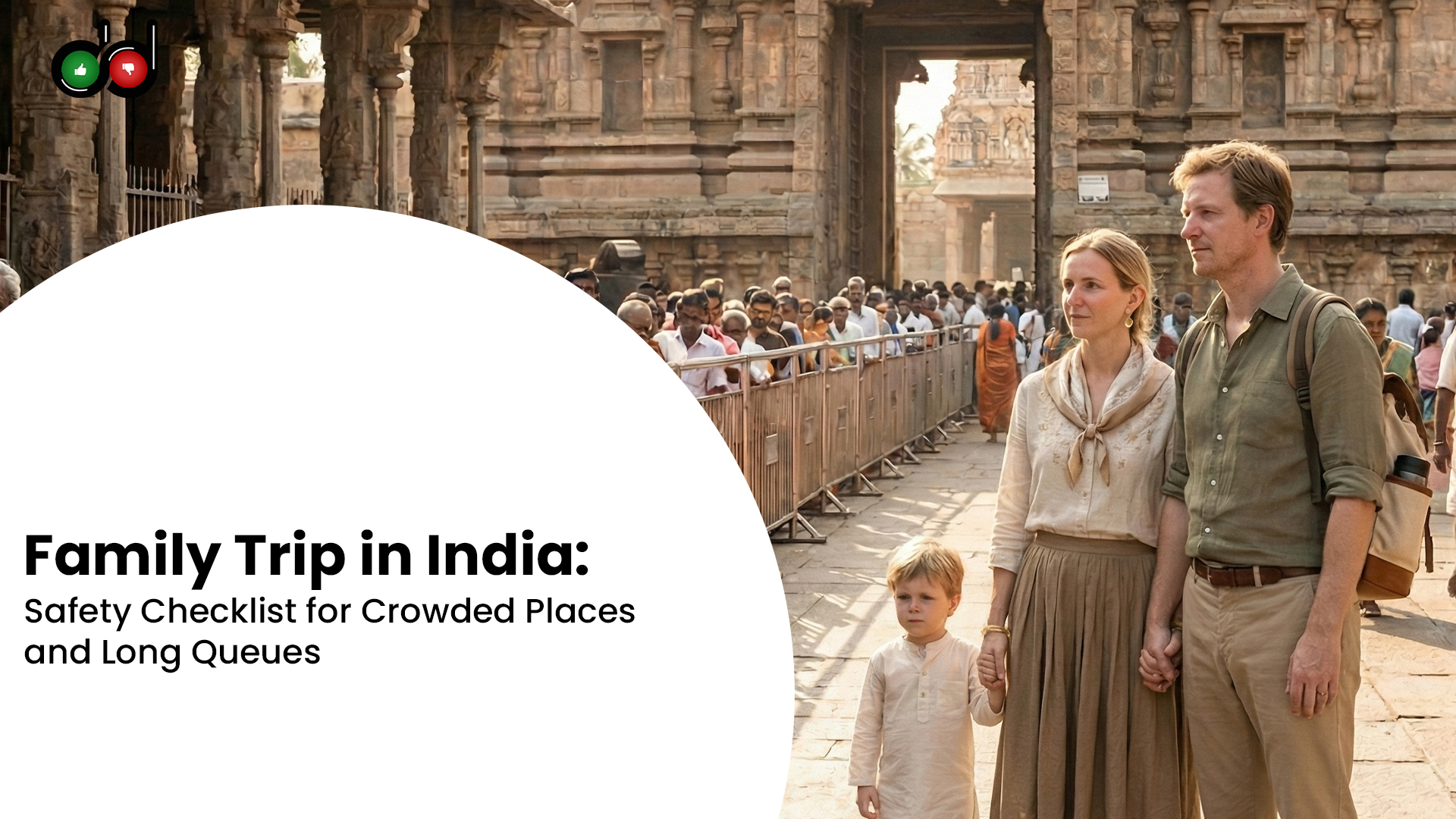
    Family Trip in India: Safety Checklist for Crowded Places and Long Queues

    Recent data shows 98% of parents plan domestic travel this year. This surge pushes popular sites to max capacity. A family trip in India now requires more than just tickets; you need a tactical plan. 

    Managing India’s crowded places safely demands smart timing and modern tech. This guide moves you from stressed tourist to prepared explorer. We cover a family travel India safety checklist to keep everyone secure. 

    From queue hacks to preventing separation, here are the essential family travel tips children need. Your family trip in India just got much safer.

    Beating the Crowds: Modern Queue Systems

    Effective planning makes a huge difference when you visit busy sites. Handling large groups is much easier with a clear strategy.

    1. September 2025 Infrastructure Updates

    The India queue management system at major sites has seen big changes this year.

    • Taj Mahal family visit: You must book online at least 7 days early to secure a slot.
    • Puri Jagannath Temple: A new 6-lane ‘Dhadi Darshan’ system at the Natamandap provides dedicated, air-conditioned paths for women, children, and seniors.

    2. Timing Your Arrival

    Recent India family tourism statistics show that 71% of visitors travel in groups, making crowded tourist attractions busier than ever.

    • Golden Hours: Arrive between sunrise and 9:00 AM to skip 60% of the rush.
    • The Danger Zone: Avoid 10:00 AM to 3:00 PM when heat and congestion peak.

    Always identify CISF booths for help. Following these family travel tips children need will keep your family trip in India on track. 

    Child Safety: The Separation Prevention Blueprint

    Child safety during your family trip in India depends on a solid separation plan. In dense areas, you need a family travel India safety checklist that everyone knows and follows.

    1. The ID Bracelet Strategy

    The 2025 standard for family travel tips for children involves using “no-name” NFC wristbands or tiny GPS trackers like Trakbond.

    • Wristband Info: Write “Call Mom/Dad” and your phone number with the +91 code.
    • The Rule: Avoid putting the child’s name on the band. This prevents strangers from using a name to gain false trust.

    2. Meeting Points and Safe People

    Teach your kids to identify “safe strangers“, such as CISF officers in uniform or other mums with children. This step improves the safety of India’s crowded places significantly.

    • Taj Mahal: Use the West Gate ticket booth as a base.
    • Red Fort: Meet at the main CISF assistance booth near the entrance.

    If anyone gets lost, stay in one spot immediately. This makes your family trip to India much less stressful. A secure family trip in India allows everyone to enjoy the sights.

    Next, you need to protect your gear from professional pickpockets.

    Outsmarting Pickpockets in 2026

    Outsmarting Pickpockets

    Professional thieves at crowded tourist attractions have changed their tactics this year. To keep your family trip in India safe, you must recognise these patterns and use the right gear.

    1. The Distraction Playbook

    Security experts for India Travel Safety 2026 highlight three common scams used in markets and transit hubs:

    1. The Accidental Bump: Someone knocks into you while an accomplice grabs your phone from your pocket.
    2. The Helpful Stranger: Someone points out a “stain” on your clothes. While you look down, your bag is opened.
    3. The Metro Snatch: Thieves wait for the “doors closing” chime on the Delhi Metro to grab a phone and jump off.

    2. Proactive Security Measures

    • Chest-Loading Gear: Always wear your backpack or crossbody bag on your chest. This is a vital pickpocket prevention step for a family trip in India.
    • The “Dummy” Wallet: Keep a fake wallet with a few small bills in your back pocket. Store your actual credit cards and large cash in a hidden money belt under your clothes.
    • Phone Lanyards: Use a wrist strap for your phone. It prevents “snatch-and-run” theft in busy streets like Chandni Chowk.

    These steps are a key part of any family travel in India safety checklist. By following these family travel tips, children and adults can stay safe, and you ensure safety in crowded places in India for the whole group. Your family trip in India will be much more relaxing when your valuables are secure.

    Now that your belongings are safe, let’s focus on keeping your family healthy and moving safely between cities.

    Health & Transport: The Multi-Generational Guardrail

    Keeping everyone healthy and moving safely is the backbone of a successful trip. You must stay vigilant about hygiene and logistics to enjoy your family trip in India.

    1. The 2025 Water and Food Protocol

    Waterborne illness remains a top risk for travellers. Maintain 100% reliance on sealed bottled water for your family trip in India. This applies to brushing teeth and avoiding ice as well.

    Health and Transport The Multi Generational Guardrail

    2. Road Safety and Travel Logistics

    Children’s road safety in India is a major concern this year. 2025 stats show 45 daily child fatalities, making safety gear vital for your family trip in India.

    • Car Seats: Taxis rarely provide them. Bring a portable vest or book premium ‘Uber Intercity‘ cars and request one.
    • Hotels: Verify hotel kid-friendly facilities like clean high chairs and gated play zones before you book.
    • Insurance: Secure travel insurance families can rely on for medical emergencies and 2025 flu variants.

    These steps are a must for your family travel to India safety checklist. Staying healthy ensures you don’t miss out on the fun. Following these family travel tips for children will help you maintain safety in India’s crowded places for all ages.

    How Dos and Don’ts Provide a Safety Checklist

    Using a structured guide helps you respect traditions while maintaining India’s crowded places safely. Dos and Don’ts provides objective, location-specific guidelines for your family trip in India across 10,000+ spaces.

    Navigate with Confidence:

    • Verified Rules: Access up-to-date dress codes and entry requirements for a family trip in India.
    • Cultural Intelligence: Learn specific etiquette to avoid social friction.
    • Quick Tips: Use your right hand for money and stick to the “Namaste” greeting.

    Avoid uncomfortable situations by knowing what is expected in advance. Following these family travel tips children need ensures a respectful journey. Explore how dos and don’ts simplify your family trip in India.

    Conclusion

    A family trip in India involves managing large crowds and specific local rules. Lack of clear info often leads to entry delays or missed attractions. 

    These setbacks affect your travel schedule and group energy. Having direct guidelines helps prevent these common issues. 

    Dos and Don’ts provide the specific rules for safety in India’s crowded places. This platform offers the family travel tips children need to stay secure. It gives you the facts for a smooth family trip in India.

    FAQs

    1. What should my family do if we get separated in a crowded market? 

    Stay put immediately. Tell kids to find a “safe stranger,” like a police officer or a mother with kids. This proactive step for India’s crowded places’ safety ensures your family trip in India stays secure. It is a vital family travel India safety checklist rule.

    2. Is street food safe for kids during our family trip in India? 

    Generally, no. A child’s gut is not used to local bacteria. Stick to reputable, busy restaurants for your family trip in India. These family travel tips children need ensure you avoid illness and maintain your family travel India safety checklist standards.

    3. How do I find a clean restroom for my kids while sightseeing? 

    Look for modern malls or premium hotels near crowded tourist attractions. These spots offer hygienic facilities for your family trip in India. This practical tip for your family travel India safety checklist keeps kids comfortable and improves safety for families in crowded places in India.

    4. Are car seats available for taxis and intercity travel? 

    Rarely. For a safe family trip in India, bring a portable vest or book ‘Uber Intercity.’ This addresses children’s road safety concerns in India. Always confirm child-friendly features when planning your family trip in India to meet your family travel India safety checklist.

    5. Do I need special travel insurance for a family trip in India in 2025? 

    Yes. Secure travel insurance families can use for medical emergencies and 2025 flu variants. This is a non-negotiable part of your family travel India safety checklist. It protects your family trip in India and ensures 2026 India travel safety standards are met.

    Leave a Reply

    Your email address will not be published. Required fields are marked *

  • India Tourist Visa Rules: Essential Etiquette and What to Know

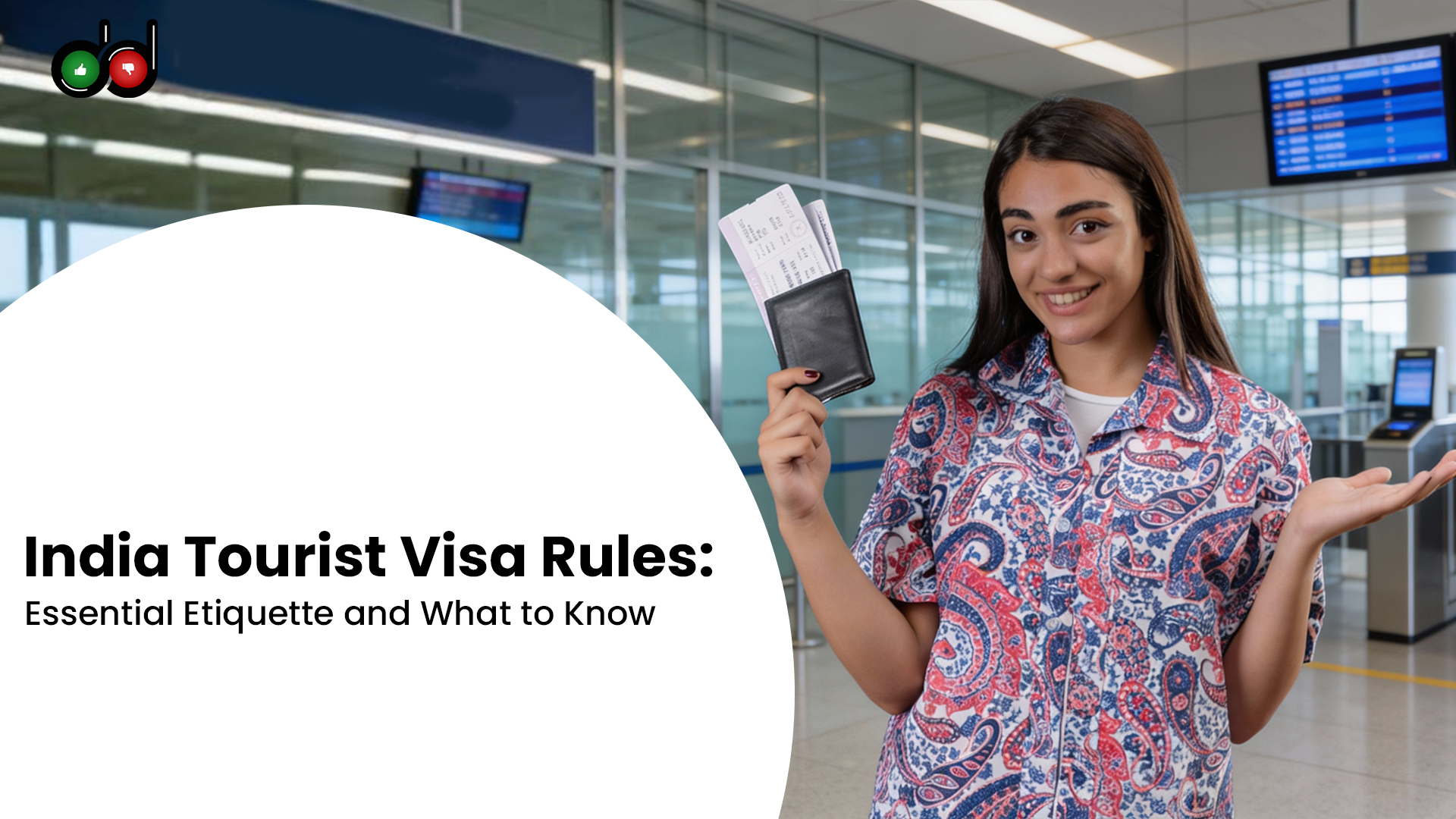
    India Tourist Visa Rules: Essential Etiquette and What to Know

    Planning a trip to India soon? You must follow the latest India tourist visa rules to avoid entry problems. Most visitors use the digital system now, but tiny mistakes cause rejections. Knowing the e-visa requirements for India enforces keeping your plans on track. 

    Beyond the paperwork, you should learn the cultural etiquette for foreign travellers to build better local connections. India treats guests like gods, yet you must still respect Indian greetings and social norms. Understanding the India tourist visa rules helps you stay legal. 

    These India tourist visa rules ensure your trip stays on schedule. This guide explains the India tourist visa 2025 requirements so you can focus on your journey. Let’s look at the steps for a successful visit.

    Part 1: India E-Visa Rules – 2025 Updates & Requirements

    Indian authorities updated the India tourist visa rules to simplify trips this year. Following the e-visa requirements for India sets ensures you don’t face border delays. Learning the cultural etiquette for foreign travellers also helps you prepare for local life.

    1. Choosing Your Category

    The India tourist visa rules offer 30-day, 1-year, and 5-year stays. If you come from the UK or USA, you can stay for 180 days straight. Others must leave after 90 days. This is a top point in the India tourist visa 2025 requirements.

    2. The Zero-Rejection Document Checklist

    The e-visa application process for India now relies on AI screening. Use this visa fees and documents checklist to stay safe:

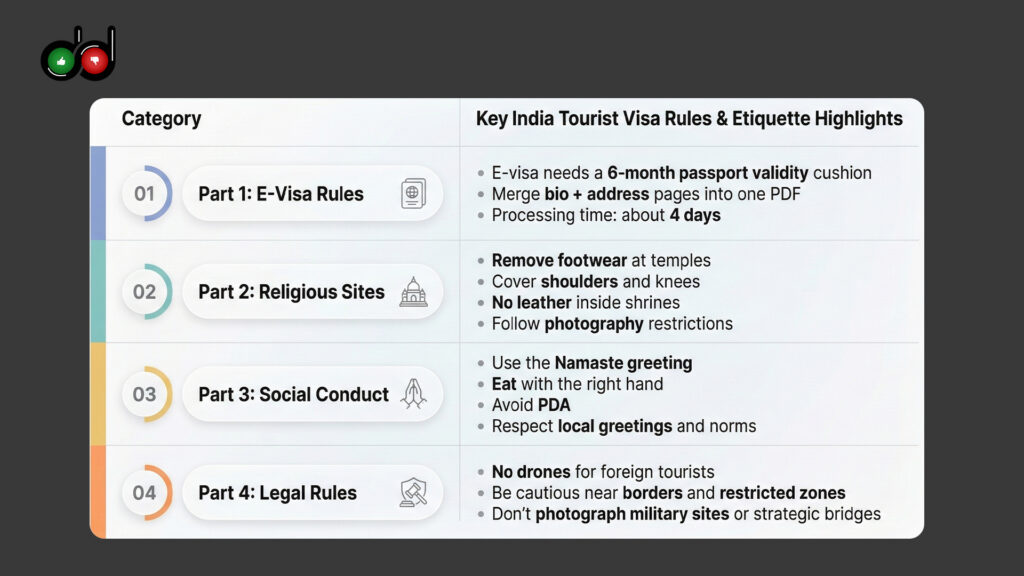
    • The PDF Merge Rule: Merge your passport bio page and address page into one PDF. This is a major part of India’s tourist visa rules.
    • Photo Standards: Upload a square 400×400 pixel photo without glasses.
    • Passport Rules: Meet the passport validity requirements for India by having six months left from your departure date.

    The tourist visa processing timeline takes four days. Following these India tourist visa rules gets you ready for your trip. Next, we cover how to visit temples respectfully.

    Part 2: Religious Site Etiquette: Temple Conduct and Sacred Boundaries

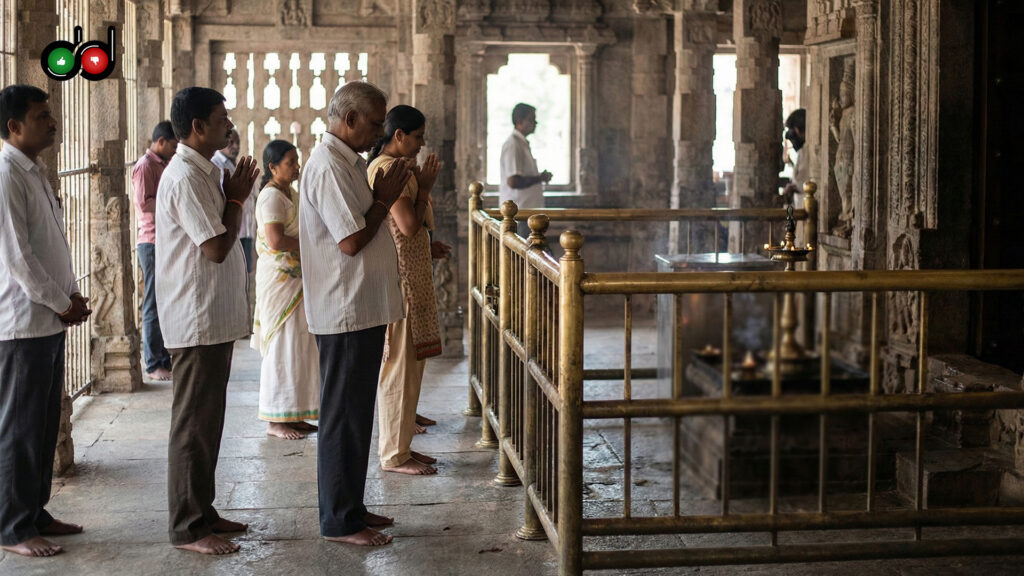
    Religious Site Etiquette

    Visiting spiritual spaces is a major part of your trip. Following India’s tourist visa rules keeps you out of legal trouble, but respecting local faith makes your visit better. Most holy sites expect you to follow India’s temple dress code rules strictly to show you value their traditions.

    1. Clothing and Sacred Items

    When you enter a Hindu temple or Sikh shrine (Gurdwara), follow the temple footwear removal protocol.

    • The Leather Rule: Leave leather belts and bags behind. Many faiths view animal hide as impure or violent, which disrupts the sanctity of the shrine.
    • Sikh Gurdwaras: You must cover your head with a scarf or handkerchief to show honour.
    • Modesty: Keep shoulders and knees covered to avoid causing offence to worshippers.

    2. Proper Social Conduct

    Following cultural etiquette for foreign travellers involves your physical actions.

    • Photos: Obey religious site photography restrictions in inner rooms where deities are kept.
    • Gifts: Use right-hand eating customs and Indian logic by only using your right hand to accept blessed food.

    Respecting India’s tourist visa rules makes locals feel valued and welcome. Now let’s look at daily social habits.

    Part 3: Social Etiquette & Daily Conduct: Respectful Interactions

    Social Etiquette & Daily Conduct

    Integrating into local life requires more than just knowing India tourist visa rules. Mastering cultural etiquette for foreign travellers helps you build genuine rapport with people you meet. By following Indian greetings and social norms, you show that you value the local way of life.

    Greetings and Physical Space

    How you carry yourself matters as much as your paperwork. Follow these India tourist visa rules for social success:

    • The Namaste: Skip the handshake and use the folded-hands gesture. It is the most respectful way to say hello.
    • Personal Space: Avoid touching someone’s head or pointing your feet at people, as these acts signal a lack of respect.
    • Public Decorum: Follow public behaviour etiquette in India by avoiding physical affection like kissing in public.

    Dining and Giving

    Eating is a communal event where right-hand eating customs in India are strictly observed.

    • The Right Hand: Use your right hand for eating, paying for goods, or passing items to others.
    • Dining Hygiene: Wash your hands before and after meals. If you are a guest, bringing a small snack or sweets is a polite way to show gratitude.

    Understanding foreign cultural mistakes to avoid ensures your visit stays positive. These India tourist visa rules for conduct make you a welcome guest. Next, we will cover the legal rules you must follow during your stay.

    Legal Restrictions & Behaviour Rules

    Staying within the India tourist visa rules protects you from serious Staying within the India tourist visa rules protects you from serious legal trouble. The government enforces tourist behaviour regulations in India strictly to maintain security. Breaking these India tourist visa rules can lead to heavy fines or deportation.

    1. Restricted Zones and Photography

    Certain parts of the country require a “Protected Area Permit” (PAP).

    • Border Areas: Stay away from military sites and borders in Jammu & Kashmir or Rajasthan.
    • Sensitive Sites: Obey religious site photography restrictions and avoid filming airports or government buildings.
    • Drones: Foreigners cannot fly drones without a local partner. Following India’s tourist visa rules means keeping your drone at home.

    “I once saw a tourist launch a tiny ‘nano’ drone to take photos of a historic fort, thinking it was just a toy. Within minutes, police arrived and seized the device. In India, the India tourist visa rules for 2025 strictly ban foreigners from flying drones without local partners and complex permits. This simple mistake led to a ₹50,000 ($560) fine and a ruined holiday.”

    Always check traveller conduct rules in India on dos and don’ts for gadgets before you pack.

    2. Substance Laws and Conduct

    India has zero tolerance for illegal drugs.

    • Narcotics: Possession leads to long jail terms under India tourist visa rules.
    • Respect Local Laws: Stiff penalties exist for overstaying your visa. Meeting the India tourist visa 2025 requirements is your responsibility.

    Always follow traveller conduct rules and India guidelines to ensure a safe trip. These India tourist visa rules keep you safe. Next, we provide a quick tool to help you stay compliant.

    Quick-Glance Guide: India Tourist Visa Rules & Etiquette 2026

    India Tourist Visa Rules & Etiquette

    How Dos and Don’ts Help You Navigate India Tourist Visa Rules

    While traditional platforms focus on opinions, Dos and Don’ts provide objective guidelines for India tourist visa rules. We bridge the gap regarding local norms to ensure a respectful experience.

    Key Features for Visiting with Confidence:

    • Verified Rule Sets: Access factual India tourist visa 2025 requirements and dress codes.
    • Structured Info: Get easy-to-read, bulleted e-visa requirements for India guides.
    • Universal Coverage: Guidelines for landmarks, offices, and shrines.
    • Stress Savings: Avoid social friction by knowing expectations in advance.
    • Cultural Intelligence: Respect local traditions easily.

    Explore how Dos and Don’ts simplify India tourist visa rules for your visit → Dos and Don’ts.

    Conclusion 

    Following India’s tourist visa rules is mandatory for your 2025 trip. Many travellers struggle with complex e-visa requirements and India updates, like merging PDF files or meeting passport standards.

    Beyond paperwork, failing to follow cultural etiquette for foreign travellers creates massive friction. One wrong move at a temple or a simple visa error leads to immediate deportation, heavy fines, or being blacklisted forever. You don’t want your dream holiday to end in a police station or an airport holding cell because you ignored India’s tourist visa rules. 

    To avoid these disasters, use Dos and Don’ts. It provides factual steps to master India tourist visa rules and local norms, keeping your journey safe and respectful.

    FAQs

    Q1. What is the top reason e-visa applications get rejected in 2025?

    Most rejections happen because applicants ignore India tourist visa rules regarding PDF merging. You must combine your passport bio page and address page into one file for the e-visa application process India requires. Failing this violates the visa fees and documents checklist.

    Q2. Does my passport need six months of validity from arrival or departure?

    Under the India tourist visa 2025 requirements, your passport validity requirements for India mandate a six-month cushion beyond your departure date. Ensure you have two blank pages for stamps to stay compliant with India tourist visa rules and avoid being denied entry.

    Q3. Can I enter India via a land border using an e-visa?

    No. Current India tourist visa rules restrict e-visa entry to 32 airports and 6 seaports. Entering from Nepal by land on an e-visa violates tourist behaviour regulations and Indian laws. Follow the e-visa requirements for India to ensure legal entry.

    Q4. Are non-Hindu visitors allowed to enter all Indian temples?

    Many sites follow India’s temple dress code rules and restrict non-Hindus past the flagpole. Following cultural etiquette for foreign travellers means checking for religious site photography restrictions. Always use right-hand eating customs and Indian logic when accepting prasad at any sacred shrine.

    Q5. What should I do if I accidentally offend a local?

    Apologise immediately if you miss India’s greetings and social norms. Most locals forgive foreign cultural mistakes if you show humility. Respecting public behaviour etiquette India and Indian tourist visa rules ensure your journey remains peaceful and culturally respectful.

    Leave a Reply

    Your email address will not be published. Required fields are marked *

  • Airport Security Check Rules in India: Liquids, Electronics, and ID Checklist

    Airport Security Check Rules in India: Liquids, Electronics, and ID Checklist

    Indian aviation is growing fast with 412 million yearly passengers. Busy terminals mean strict enforcement. You must follow the airport security check rules in India to avoid long lines. 

    This guide helps you understand airport liquid rules in India and electronics carry-on baggage restrictions clearly. Knowing these Indian airport security regulations allows you to pass the CISF airport security screening in ten minutes. 

    Smart travelers master airport security check rules in India before arriving. Follow the latest hand baggage allowance India tips and BCAS airport rules to fly without stress.

    The 100 ml Liquid Rule: What’s Allowed?

    Sorting your liquids before reaching the terminal keeps you from losing items at the bin. You must follow the airport security check rules in India to ensure a fast airport screening process in India.

    A) Mastering the 100 ml Limit: Every container in your bag must be 100 ml or less. Even if a large bottle is nearly empty, CISF airport security will toss it. You must pack all your bottles in a single, clear, one-liter bag. These Indian airport security regulations match the global TSA liquid limit of the 100 ml standard.

    B) Spotting Hidden Liquids: Many travelers miss common items that fall under airport liquid rules in India. If you can spread, squeeze, or pour an item, treat it as a liquid. In 2026, BCAS airport rules still restrict semi-solids like honey, ghee, and even frozen coconut oil.

    C) Exceptions for Essentials: You can carry larger amounts of baby milk or liquid medicines if you have a valid doctor’s prescription. Currently, airport security check rules in India still allow hand sanitizer up to 350 ml.

    Following these airport security check rules, India prevents the most common delays. Once you organize your liquids, you can focus on meeting the electronics carry-on baggage restrictions.

    Electronics: The “Carry-on Only” vs. “Banned” List

    electronics carry on baggage restrictions

    Smart travelers know that gadgets cause the most bag searches. Smart travelers know that gadgets cause the most bag searches. Understanding electronics carry-on baggage restrictions saves you from repacking your bags at the x-ray machine.

    1. Laptop and Tablet Rules

    You must remove laptops, tablets, and large cameras from your bag during the airport screening process in India. Place these devices in a separate tray so CISF airport security can view them clearly. 

    While major hubs are testing scanners that let electronics stay inside, the standard airport security check rules in India still require removal. Follow laptop carry-on rules by keeping your devices easily accessible.

    2. Power Bank and Battery Policies

    Lithium batteries are a fire hazard in the cargo hold. You must carry all power banks in your hand luggage. Under airport security check rules in india, the standard limit is 100 Wh (approx. 27,000 mAh).

    • Power bank carry-on rules apply to all spare lithium-ion batteries.
    • Units between 100 Wh and 160 Wh require prior airline approval.
    • Anything above 160 Wh is strictly prohibited.

    3. Forbidden Tech

    India maintains a zero-tolerance ban on e-cigarettes and vapes. CISF airport security will confiscate these from any baggage. You also cannot carry satellite phones without a license. Ensure drones are registered to follow BCAS airport rules.

    Following airport security check rules in India for gadgets prevents delays. Once your gear is safe, ensure your identity papers are ready.

    Getting your tech right helps you clear CISF airport security quickly. Next, you must verify your ID documents are valid for travel.

    ID Requirements: Physical vs. Digital

    ID Requirements

    Starting your trip with the right documents prevents rejection at the terminal gate. You must follow airport security check rules in India to ensure your identity matches your booking.

    Accepted Domestic Identification For travel within the country, BCAS airport rules accept several government-issued documents:

    • Aadhaar ID airport security checks (physical or PVC).
    • Original Passport, Voter ID, or PAN Card.
    • Driving licenses and student IDs from recognized institutions.

    The Digital Shift You can now skip physical cards. Indian airport security regulations accept DigiLocker digital IDs at airports as official proof. However, a screenshot of your ID is not valid. For a paperless experience, use the DigiYatra app. This biometric system uses facial recognition to help you pass CISF airport security faster.

    Ensure the name on your ticket matches your ID exactly. International travelers must still carry a physical passport. Valid paperwork gets you inside. Your bag size then determines if you reach the plane.

    Next, you should verify your suitcase meets hand baggage allowance India limits.

    Hand Baggage: Weight & Dimensions (2026 Update)

    Hand Baggage weight rules

    Managing your luggage size is vital to avoid extra fees at the Managing your luggage size is vital to avoid extra fees at the boarding gate. Most Indian airlines now follow the strict BCAS airport rules to reduce cabin crowding.

    • The One-Bag Policy: You can carry only one main cabin bag plus one small personal item, like a laptop bag or a purse.
    • Standard Weight: The cabin baggage weight limit for economy is 7 kg on most airlines, though Air India often allows up to 8 kg. Always check your ticket to confirm.
    • Dimensions: Your bag should not exceed 55 cm x 35 cm x 25 cm. This includes wheels and handles.
    • Smart Luggage: If your bag has built-in chargers, the battery must be removable. You cannot fly with non-removable lithium batteries in any luggage.

    Staying within the hand baggage allowance in India prevents last-minute stress. Once your bag meets these size rules, ensure you aren’t carrying any forbidden items that could cause trouble during the airport screening process in India.

    “I once saw a traveler try to dodge the 7 kg limit by wearing four sweaters and stuffing power banks into every pocket. He looked like a giant, tech-heavy marshmallow! Because he ignored the hand baggage allowance in India, CISF airport security flagged him for a manual pat-down. The “clothing mountain” failed, and he still had to pay for the extra weight—all while sweating through four layers of wool.”

    How Do “Dos and Don’ts” Make Traveling at the Airport Easier?

    Dos and Don’ts provides objective, location-specific guidelines for airport security check rules in India. We bridge the information gap regarding local regulations to ensure a smoother terminal experience. Mastering airport security check rules in India keeps you moving through gates with confidence.

    Our Key Features for Travel:

    • Verified Rule Sets: Factual updates on airport liquid rules in India eliminate guesswork.
    • Structured Info: Quick-read guides on electronics carry-on baggage restrictions save time.
    • Universal Coverage: Reliable guidance for every major Indian flight hub.

    Our platform transforms how you plan visits. We provide the clarity you need to travel without friction. Explore how Dos and Don’ts simplify travel → Dos and Don’ts.

    Conclusion

    Forgetting airport security check rules in India leads to chaos at the scanner. You might miss your flight while arguing over a perfume bottle or a power bank. 

    CISF airport security strictly enforces airport liquid rules in India, and violations can lead to heavy fines or missed departures. Don’t risk your vacation or your wallet due to a simple packing error. 

    Instead, use Dos and Don’ts to stay prepared. Our platform provides the exact electronics carry-on baggage restrictions you need for a stress-free trip. Travel with confidence by following our verified guides.

    FAQs

    1. Can I carry a power bank in my checked bag? 

    No. Under Indian airport security regulations, power banks must stay in your cabin bag. Power bank carry-on rules forbid lithium batteries in the cargo hold due to fire risks. Carry them safely to pass the airport screening process in India without delays.

    2. Is a digital photo of my Aadhaar card enough for airport entry? 

    No, gallery photos are not valid. For airport security checks in India, use physical cards or the DigiLocker digital ID airports app. This digital proof satisfies CISF airport security and BCAS airport rules, ensuring a fast entry into the flight terminal.

    3. How do I carry liquid medication over 100 ml on a flight? 

    Yes. Indian airport security regulations allow liquid medicines over 100 ml if you have a valid doctor’s prescription. Declare these items to CISF airport security before the airport screening process in India. This keeps you compliant with BCAS airport rules during your flight.

    4. Are clarified butter (ghee) and coconut oils allowed in cabins? 

    No. Clarified butter, or ghee, is a flammable risk under BCAS airport rules. It is a prohibited item for airport security entry for cabins but allowed in checked bags. Pack it securely to avoid airport security violations and penalties on your next flight.

    5. Can I carry dry fruits or snacks on a domestic flight? 

    Yes. Solid snacks like dry fruits are permitted on flights. However, items like honey or pickles must follow airport liquid rules in India and the 100 ml limit. This ensures your hand baggage allowance in India meets all Indian airport security regulations perfectly.

    Leave a Reply

    Your email address will not be published. Required fields are marked *